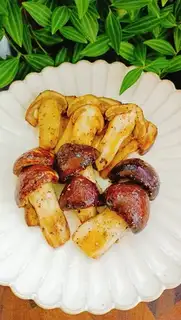
Renowned as the "diamond of the forest," matsutake (Tricholoma matsutake) is a prized edible mushroom that has captivated gourmands and health enthusiasts alike for its distinctive aroma, earthy flavor, and remarkable nutritional profile. Native to the temperate forests of East Asia, including Japan, China, Korea, and parts of North America, this wild fungus thrives in symbiosis with the roots of pine trees, drawing unique compounds from its habitat that contribute to its exceptional qualities. More than just a delicacy, matsutake has been celebrated in traditional medicine for centuries and modern science now validates its potent health benefits. However, like all powerful natural ingredients, it must be consumed with awareness of potential precautions. This article explores the nutritional value, health benefits, and食用禁忌 (edible taboos/precautions) of matsutake, offering a comprehensive guide to this forest gem.
I. Nutritional Value: A Powerhouse of Bioactive Compounds
Matsutake’s nutritional composition sets it apart from common mushrooms, combining macronutrients, micronutrients, and unique bioactive compounds that contribute to its health-promoting properties.
1. Rich in Essential Macronutrients
As a low-calorie, nutrient-dense food, matsutake is an excellent addition to a balanced diet. A 100-gram serving of fresh matsutake contains approximately 90–95% water, 2–3 grams of protein, 1–2 grams of fiber, and less than 1 gram of fat. Its protein profile includes all nine essential amino acids, making it a complete plant-based protein source—rare for a non-animal product. The fiber content, composed of both soluble and insoluble varieties, supports digestive health by promoting gut motility and feeding beneficial gut bacteria.
2. Packed with Micronutrients
Matsutake is a natural source of vital vitamins and minerals. Notably, it is rich in B vitamins, including niacin (B3), riboflavin (B2), and pantothenic acid (B5), which play key roles in energy metabolism, nervous system function, and skin health. It also contains significant amounts of vitamin D2, especially when exposed to sunlight during drying, which is crucial for calcium absorption and bone health.
Mineral-wise, matsutake excels in potassium (important for blood pressure regulation), copper (necessary for iron absorption and antioxidant defense), and selenium (a powerful antioxidant that supports immune function). Additionally, it provides phosphorus, magnesium, and zinc, all of which are essential for cellular processes and immune support.
3. Unique Bioactive Compounds
What truly distinguishes matsutake is its array of bioactive compounds, many of which are responsible for its aromatic fragrance and therapeutic effects:
- Polysaccharides: Beta-glucans, complex carbohydrates found in matsutake, are well-researched for their immune-modulating properties. They enhance the activity of macrophages (immune cells) and natural killer (NK) cells, helping the body defend against pathogens and abnormal cells.
- Triterpenoids: These organic compounds, such as matsutakeol and trametenolic acid, possess anti-inflammatory, antioxidant, and anti-tumor properties. Studies suggest they may inhibit the growth of cancer cells and reduce oxidative stress.
- Essential Oils: Matsutake’s distinctive aroma comes from volatile compounds like 3-octanone and 1-octen-3-ol, which have antimicrobial and anti-inflammatory effects. These compounds also contribute to its ability to repel insects, a natural defense mechanism of the mushroom.
- Ergothioneine: A unique sulfur-containing amino acid, ergothioneine is a potent antioxidant that protects cells from damage caused by free radicals. It is concentrated in matsutake and has been linked to anti-aging and neuroprotective benefits.
II. Health Benefits: From Traditional Medicine to Modern Science
For centuries, matsutake has been a staple in traditional Asian medicine, used to treat ailments ranging from digestive disorders to fatigue. Modern research now corroborates many of these traditional claims, highlighting matsutake’s potential as a functional food.
1. Immune System Enhancement
One of the most well-documented benefits of matsutake is its ability to boost immune function. The beta-glucans in matsutake stimulate the innate immune system, enhancing the activity of macrophages and NK cells, which are critical for identifying and destroying infected or cancerous cells. A 2018 study published in the Journal of Ethnopharmacology found that polysaccharides extracted from matsutake significantly increased the production of cytokines (signaling molecules that regulate immune responses) in laboratory mice, suggesting enhanced immune defense.
2. Anti-Cancer Properties
Preliminary studies indicate that matsutake may have anti-cancer potential, attributed to its triterpenoids and polysaccharides. These compounds have been shown to inhibit the proliferation of cancer cells, induce apoptosis (programmed cell death), and reduce metastasis. For example, a 2020 study in Food & Function found that matsutakeol suppressed the growth of human colon cancer cells by blocking signaling pathways involved in cell division. While more human trials are needed, these findings are promising for cancer prevention and adjunctive therapy.
3. Anti-Inflammatory and Antioxidant Effects
Chronic inflammation and oxidative stress are underlying factors in many diseases, including heart disease, diabetes, and neurodegenerative disorders. Matsutake is rich in antioxidants, including ergothioneine, selenium, and triterpenoids, which neutralize free radicals and reduce inflammation. Research shows that matsutake extracts can inhibit the production of pro-inflammatory cytokines such as TNF-α and IL-6, making it beneficial for conditions like arthritis and inflammatory bowel disease.
4. Cardiovascular Health Support
Matsutake may promote heart health through multiple mechanisms. Its high potassium content helps regulate blood pressure by balancing sodium levels, while its fiber aids in reducing LDL ("bad") cholesterol. Additionally, the antioxidant compounds in matsutake prevent the oxidation of LDL cholesterol, a key step in the development of atherosclerosis (hardening of the arteries). A 2019 study in Phytotherapy Research found that matsutake extract improved lipid profiles and reduced arterial plaque formation in mice fed a high-cholesterol diet.
5. Digestive Health and Detoxification
The fiber in matsutake supports digestive health by promoting regular bowel movements and feeding beneficial gut bacteria, such as Lactobacillus and Bifidobacterium. These bacteria are essential for maintaining a healthy gut microbiome, which is linked to improved immunity, mood, and even weight management. Furthermore, matsutake contains chitin, a type of fiber that acts as a natural detoxifier by binding to toxins and heavy metals in the digestive tract, facilitating their elimination.
6. Anti-Aging and Neuroprotective Benefits
Ergothioneine, a compound abundant in matsutake, has gained attention for its anti-aging properties. It accumulates in mitochondria (the "powerhouses" of cells) and protects them from oxidative damage, which is a major contributor to aging and age-related diseases. Studies also suggest that ergothioneine may cross the blood-brain barrier, protecting neurons from damage and reducing the risk of neurodegenerative disorders like Alzheimer’s and Parkinson’s disease.
III.食用禁忌 (Edible Taboos/Precautions): Who Should Avoid or Limit Consumption?
While matsutake offers numerous health benefits, it is not suitable for everyone. Certain populations should exercise caution or avoid consumption altogether due to potential risks.
1. Individuals with Mushroom Allergies
Like all mushrooms, matsutake can trigger allergic reactions in sensitive individuals. Symptoms may range from mild (hives, itching, digestive upset) to severe (anaphylaxis, difficulty breathing). Those with a known history of mushroom allergies should strictly avoid matsutake.
2. Pregnant and Breastfeeding Women
There is limited research on the safety of matsutake during pregnancy and breastfeeding. Traditional medicine warns that its potent bioactive compounds may stimulate uterine contractions or affect hormone levels, potentially posing risks to fetal development. As a precaution, pregnant and breastfeeding women should consult a healthcare provider before consuming matsutake.
3. People with Autoimmune Diseases
Matsutake’s immune-boosting properties, while beneficial for most, may exacerbate symptoms in individuals with autoimmune diseases such as lupus, rheumatoid arthritis, or multiple sclerosis. By stimulating the immune system, it could potentially increase inflammation and attack healthy cells. Those with autoimmune conditions should seek medical advice before including matsutake in their diet.
4. Those on Blood-Thinning Medications
Matsutake contains vitamin K, which plays a role in blood clotting. Individuals taking anticoagulant medications (e.g., warfarin) should monitor their intake carefully, as sudden changes in vitamin K levels can interfere with the medication’s effectiveness. Consistency in consumption is key, and consultation with a healthcare provider is recommended.
5. People with Kidney or Liver Disorders
While matsutake is generally safe for healthy individuals, those with pre-existing kidney or liver disease should consume it in moderation. The high concentration of minerals (e.g., potassium) and bioactive compounds may put additional strain on these organs. A healthcare provider can provide personalized guidance based on individual health status.
6. Quality and Sourcing Considerations
Matsutake is a wild mushroom, and improper harvesting or storage can lead to contamination with heavy metals, pesticides, or toxic look-alike species. Consumers should purchase matsutake from reputable suppliers to ensure safety. Additionally, fresh matsutake should be cleaned and cooked thoroughly to eliminate potential bacteria and parasites. Dried matsutake, while more concentrated in nutrients, requires proper rehydration to avoid digestive discomfort.
IV. Culinary Uses and Sustainable Consumption
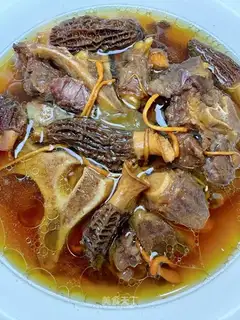
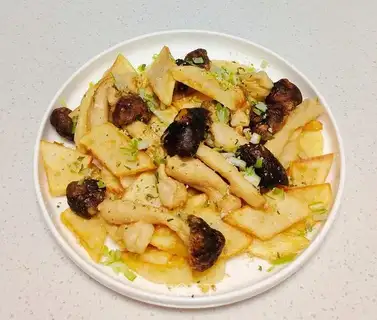
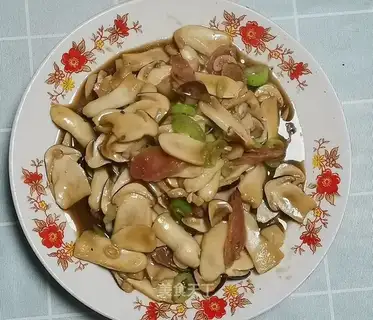
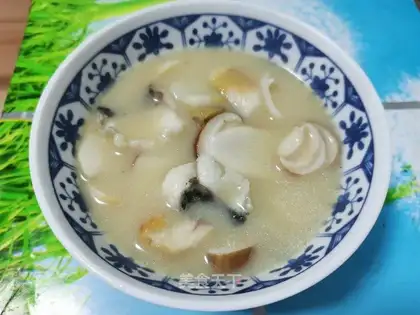
Beyond its health benefits, matsutake is prized for its culinary versatility. Its intense, pine-like aroma and meaty texture make it a star in dishes ranging from Japanese matsutake gohan (rice cooked with matsutake) to Chinese stir-fries and Western soups. When cooking, it is important to use minimal seasoning to allow its natural flavor to shine.
Sustainability is another critical consideration. Overharvesting of wild matsutake has led to declining populations in some regions. To protect this valuable resource, consumers should choose sustainably sourced matsutake, preferably from certified suppliers who practice ethical harvesting or cultivate it in controlled environments.
Conclusion
Matsutake is far more than a culinary delicacy—it is a nutritional and medicinal powerhouse with a rich history and promising future. Its unique blend of polysaccharides, triterpenoids, and antioxidants supports immune function, reduces inflammation, and may even offer protection against chronic diseases. However, like all potent natural ingredients, it must be consumed mindfully, with attention to individual health needs and sustainable sourcing. For those who can enjoy it safely, matsutake is a true gift of the forest, offering both gastronomic pleasure and profound health benefits. As research continues to uncover its secrets, this "diamond of the forest" is likely to remain a symbol of nature’s ability to nourish and heal.