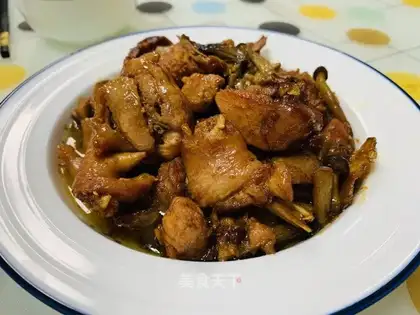
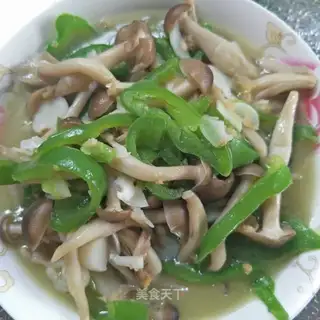
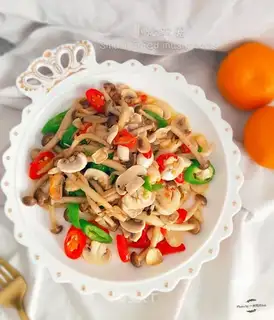
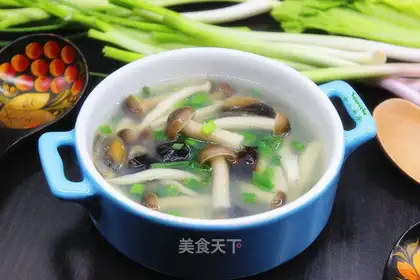
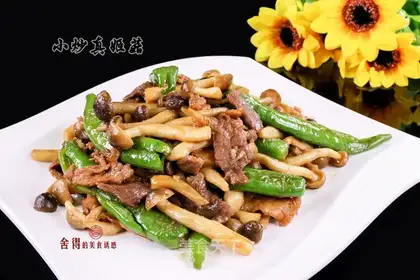
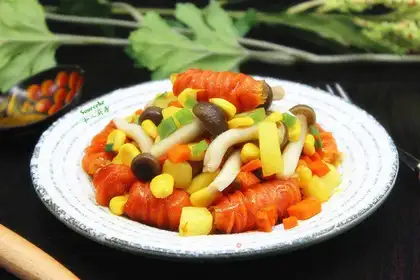
Mushrooms have been celebrated for centuries in various cultures for their unique flavors, culinary adaptability, and medicinal properties. Among the diverse varieties of edible fungi, shiitake mushrooms (Lentinula edodes) stand out as one of the most widely consumed and researched. Native to East Asia, particularly Japan, China, and Korea, shiitakes have gained global popularity for their rich umami taste, meaty texture, and exceptional nutritional profile. Often referred to as the "elixir of life" in traditional medicine, shiitakes are not just a delicious addition to meals but also a functional food offering numerous health benefits. This article explores the nutritional value of shiitake mushrooms, their evidence-based health benefits, potential食用禁忌 (consumption precautions), and their role in a balanced diet.
I. Nutritional Value of Shiitake Mushrooms
Shiitake mushrooms are a nutritional powerhouse, packed with essential vitamins, minerals, antioxidants, and bioactive compounds that contribute to overall health. A 100-gram serving of fresh shiitakes (approximately 1 cup, sliced) contains approximately:
- Macronutrients:
- Calories: 34 kcal
- Protein: 2.2 g (complete protein with all essential amino acids)
- Carbohydrates: 7.1 g (including 2.5 g of fiber and 2.3 g of natural sugars)
- Fat: 0.5 g (mostly unsaturated fats)
- Water: 90%
- Vitamins:
- Vitamin D: One of the few plant-based sources of vitamin D, especially when exposed to sunlight (fresh shiitakes can provide up to 18 IU per 100 g, while dried varieties offer more due to concentration).
- B Vitamins: Rich in B2 (riboflavin), B5 (pantothenic acid), and B6, which play key roles in energy metabolism, nervous system function, and red blood cell production.
- Vitamin C: A potent antioxidant (2 mg per 100 g), supporting immune health and skin integrity.
- Minerals:
- Copper: Essential for iron absorption, antioxidant defense, and connective tissue formation (0.5 mg per 100 g, meeting ~55% of the daily recommended intake).
- Selenium: A powerful antioxidant that supports thyroid function and DNA repair (9.3 µg per 100 g).
- Potassium: Regulates blood pressure and fluid balance (304 mg per 100 g).
- Iron: Supports oxygen transport in the blood (0.5 mg per 100 g).
- Bioactive Compounds:
- Eritadenine: A unique compound that helps lower cholesterol levels.
- Beta-Glucans: Soluble fibers known for their immune-boosting and anti-cancer properties.
- Lentinan: A polysaccharide with potent anti-tumor and immunomodulatory effects.
- Triterpenes: Compounds like lentinenic acid that exhibit anti-inflammatory and antioxidant activities.
- Fiber: Shiitakes are high in dietary fiber (both soluble and insoluble), promoting digestive health, blood sugar regulation, and satiety.
This combination of nutrients makes shiitakes a valuable addition to vegetarian, vegan, and omnivorous diets alike.
II. Health Benefits of Shiitake Mushrooms
Beyond their nutritional content, shiitake mushrooms are renowned for their therapeutic properties, supported by scientific research and traditional use.
1. Immune System Support
Shiitakes are one of the best natural sources of beta-glucans, complex sugars that enhance immune function by activating immune cells such as macrophages, natural killer (NK) cells, and T-cells. A study published in the Journal of the American College of Nutrition found that consuming shiitake mushrooms daily for four weeks increased NK cell activity by 28% and reduced inflammation markers in participants. Lentinan, a specific beta-glucan derived from shiitakes, is also used as an adjunctive therapy in cancer treatment due to its ability to stimulate immune responses against tumor cells.
2. Heart Health
Cardiovascular disease is a leading global cause of death, and shiitakes offer multiple benefits for heart health. The eritadenine compound in shiitakes has been shown to lower LDL ("bad") cholesterol and triglyceride levels by inhibiting cholesterol absorption in the gut. Additionally, the fiber and potassium content help regulate blood pressure by reducing sodium levels and improving blood vessel elasticity. A 2015 study in the Journal of Nutritional Biochemistry found that shiitake extract reduced arterial plaque buildup in mice, suggesting potential protective effects against atherosclerosis.
3. Anti-Cancer Properties
Several compounds in shiitakes exhibit anti-cancer effects. Lentinan has been extensively studied for its ability to inhibit tumor growth and metastasis, particularly in gastric and colorectal cancers. Beta-glucans activate immune cells to recognize and destroy cancer cells, while triterpenes (e.g., ganoderic acids) induce apoptosis (programmed cell death) in cancer cells. Though more human trials are needed, epidemiological studies suggest that regular mushroom consumption is associated with a lower risk of certain cancers, including breast and prostate cancer.
4. Antioxidant and Anti-Inflammatory Effects
Shiitakes are rich in antioxidants, including selenium, vitamin C, and phenolic compounds, which neutralize harmful free radicals and reduce oxidative stress—a key contributor to chronic diseases like diabetes, Alzheimer’s, and arthritis. The triterpenes in shiitakes also inhibit pro-inflammatory enzymes (e.g., COX-2), reducing inflammation in conditions such as arthritis and asthma. A 2017 study in Food & Function found that shiitake extract reduced inflammatory markers in human blood cells by 70%.
5. Digestive Health
The high fiber content in shiitakes promotes a healthy gut microbiome by acting as a prebiotic, feeding beneficial gut bacteria like Bifidobacterium and Lactobacillus. This improves digestion, reduces constipation, and enhances nutrient absorption. Additionally, shiitakes contain chitin, a fiber that supports gut barrier function, preventing "leaky gut" syndrome.
6. Weight Management
Low in calories and high in fiber and protein, shiitakes are an ideal food for weight management. Fiber increases satiety, reducing overall calorie intake, while protein helps preserve muscle mass during weight loss. A 100-gram serving of shiitakes provides just 34 calories but contributes significantly to daily fiber and protein needs.
7. Skin and Bone Health
Shiitakes are a rare plant-based source of vitamin D, which is critical for calcium absorption and bone health. Vitamin D deficiency is linked to osteoporosis and fractures, making shiitakes a valuable food for bone density. Additionally, the antioxidants and vitamin C in shiitakes protect skin from UV damage and promote collagen production, reducing signs of aging like wrinkles and sagging.
III.食用禁忌 (Consumption Precautions) and Potential Side Effects
While shiitake mushrooms are generally safe for most people, certain precautions should be taken to avoid adverse effects.
1. Allergic Reactions
Although rare, some individuals may be allergic to shiitakes, experiencing symptoms such as skin rashes, itching, or respiratory distress. Those with mushroom allergies should avoid shiitakes entirely.
2. Raw Shiitake Mushrooms
Raw or undercooked shiitakes contain a compound called lentinan, which can cause digestive upset, including nausea, diarrhea, and bloating. Cooking shiitakes (e.g., boiling, grilling, or stir-frying) neutralizes this compound and enhances nutrient bioavailability.
3. Blood Pressure Medications
Shiitakes have natural blood pressure-lowering effects due to their potassium content. Individuals taking antihypertensive medications should monitor their blood pressure closely when consuming shiitakes regularly to avoid hypotension (low blood pressure).
4. Blood Thinners
Shiitakes contain vitamin K, which plays a role in blood clotting. People taking anticoagulant medications (e.g., warfarin) should maintain consistent vitamin K intake to avoid interactions that reduce the drug’s effectiveness.
5. Autoimmune Disorders
Due to their immune-boosting properties, shiitakes may exacerbate symptoms in individuals with autoimmune diseases (e.g., lupus, rheumatoid arthritis) by overstimulating the immune system. Such individuals should consult a healthcare provider before consuming shiitakes regularly.
6. Pesticide Residues
Conventionally grown shiitakes may contain pesticide residues. Opting for organic or sustainably grown shiitakes reduces exposure to harmful chemicals.
IV. Culinary Uses and Practical Tips
Shiitakes are incredibly versatile in the kitchen, adding depth and umami to a wide range of dishes. Here are some popular ways to incorporate them into your diet:
- Fresh vs. Dried: Fresh shiitakes have a mild, earthy flavor and tender texture, ideal for stir-fries, soups, and salads. Dried shiitakes are more concentrated in flavor and nutrients; rehydrate them in warm water before use (the soaking liquid can be used as a flavorful broth).
- Cooking Methods: Shiitakes can be sautéed, grilled, roasted, or added to pasta, risottos, and stews. Marinating them in soy sauce, garlic, and ginger enhances their flavor.
- Vegetarian/Vegan Diets: Shiitakes are a popular meat substitute due to their meaty texture. They can be used in burgers, tacos, or plant-based broths.
- Portion Control: A serving of 1–2 cups (100–200 grams) of fresh shiitakes per day is sufficient to reap their health benefits without exceeding recommended nutrient intakes.
V. Conclusion
Shiitake mushrooms are a nutritional and medicinal treasure, offering a remarkable array of vitamins, minerals, and bioactive compounds that support immune health, heart function, and disease prevention. Their versatility in cooking makes them an easy and delicious addition to any diet, while their low calorie and high nutrient content make them ideal for weight management and overall wellness. However, as with any food, moderation and awareness of potential precautions are key to maximizing their benefits. By incorporating shiitake mushrooms into meals regularly, individuals can harness their "elixir of life" properties to enhance health and longevity.
In a world where functional foods are increasingly valued for their ability to prevent and treat disease, shiitake mushrooms stand out as a shining example of how nature provides solutions for human health. Whether enjoyed in a warm soup, a hearty stir-fry, or a savory broth, shiitakes are more than just a culinary delight—they are a cornerstone of holistic nutrition.