Hunan cuisine
VicentaLakin
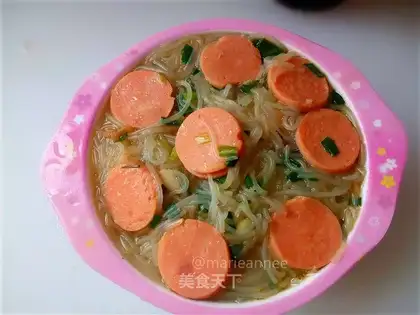
The rice line for ham intestines should be a little softer as supplementary food for children aged 2 to 3 years, if it is for adults. The rice line, traditional Han-style snack, Yunnan called the rice line and other parts of China called rice powder. The rice line is made of rice, long stripes, transects of round, white colour, and resilient, and is then boiled in the open water and then extracted into the broth, which is usually mixed with onions, soy sauce, salt, spicy taste, spicy sauce and meat sauce while it is hot. Fans are like them, but they have different tastes. In the old cooking book, "The Foods," the rice line is "the twilight." People used to call it "the sour rice line", "the sour powder", "the dry rice line" and "the rice powder". They contain abundant carbohydrates, vitamins, minerals and yeasts, which are fast, flat, uncookable, smooth, uncomfortable and easily digestible, and are particularly suitable for recreational fast meals. The ham sausage is a meat food popular to consumers. It is made of animal and poultry meat as the main raw material, supported by fillings (drymeal, vegetative protein powder, etc.) and then by spices (salt, sugar, alcohol, odor, etc.), spices (onions, ginger, garlic, bean bean, sandy, big food, pepper, etc.), quality improvement agents (Karagel, Vc, etc.), colour-protecting agents, water-preservatives, preservatives, etc., which are made from processes such as pickled, twitching (or emulation), high-temperature boils, which are characterized by fine meat, fresh mouths, ease of carrying, simple food consumption, preservation periods. Ensuring safety as a processed food is critical and bad. Meat is perishable food, and the biological causes of corruption are bacteria. Ham intestinals contain various nutrients necessary for bacteria to grow, and ham intestinals without preservative treatment are the paradise for bacteria. The protection of ham and intestinals from bacteria begins with the elimination of the mixing of bacterial seeds. Inevitably, some bacteria are mixed in the raw materials of the ham sausages, which are “strung” at high temperatures and are mostly removed. The so-called “low-temperature ham intestines” in the market usually heat up to just over 70 degrees, so that they can have a different taste, but the “harder” is not enough, and there are more bacteria leaking. So, if you have the conditions, it's better to make your own ham. It is well known that ham intestinals contain preservatives, which can kill bacteria and may have potential harm to humans. And that's where people are most concerned about processed foods. Food scientists are constantly looking for preservatives that can effectively prevent bacterial growth and that have no significant harm to humans at concentrations. The preservatives currently legally available in the ham intestinal are sodium nitrite. This substance can cause acute poisoning when the intake is relatively high, and some cases of food poisoning are due to excessive nitrite in unqualified pickled vegetables. nitrite is also considered a carcinogen. However, it does not itself cause cancer, but it can react to a substance of ammonium in the acid environment, which is a carcinogen. However, nitrite in qualified ham sausages is not a cause for concern. Nitrate is widely present in nature, and in many vegetables nitrate has the opportunity to be transformed into nitrite. Considerable scientific research has been conducted on how nitrite affects human health. Based on these findings, small amounts of nitrite do not pose a threat to human health. In the United States, the maximum allowable use of sodium nitrite in meat is 200 ppm (ppm is 1 in million), i.e. FDA considers nitrite in meat to be safe below 200 ppm. The Chinese standard is much stricter than that, 30 ppm. The effects of preservatives can therefore be considered negligible as long as they are tested for qualified ham. Some studies have found that nitrite reacts with vitamin C or vitamin E when it reacts with theamine, rather than producing harmful nitrousamine. Therefore, some meat processing will incorporate these vitamins to reduce possible side effects of nitrite. In fact, no matter how effective this is, it would be beneficial to eat some vegetables and fruits at the same time。
VicentaLakin
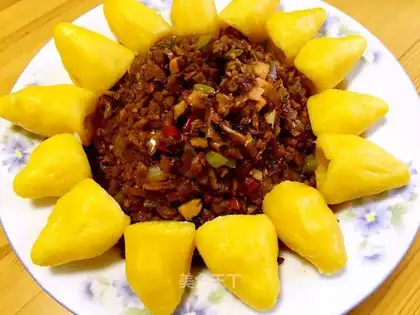
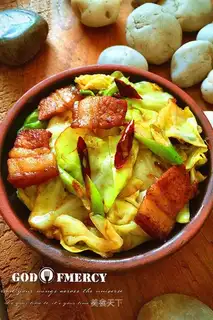
IT'S SUMMER, AND IF YOU WANT TO STAY IN SHAPE, YOU HAVE TO CONTROL MEAT. I MADE A RECIPE FOR THREE MEALS A DAY, OF COURSE MEAT IS REDUCED. AND WITH INTENSE MOTION, MEAT CONTROL DOES NOT EXAGGERATE THAT THE SIGHT OF THE FLESH IS GREEN. TODAY, WE HAVE TO PUT SOME MEAT ON OUR TEETH. ALTHOUGH THE WORD DENTAL SACRIFICE HAS BEEN WITHDRAWN FROM THE HISTORICAL STAGE. IT'S A VERY SIMPLE CIVILIAN DISH, BUT IT'S VERY POPULAR ON THE TABLE. IT'S A VERY GOOD BEAUTY. IN ADDITION TO THE ACUPUNCTURE, A BOWL OF SPICY HANDS TEARING UP BOUQUETS OF MEAT, THEY ALSO HAVE THE EFFECT OF A MOIST AND WHITE-STAINED BEAUTY. IT IS FULL OF GREASY FATS, HANGING ON THE SURFACE, BUT NOT MEAT, WITH A STRONG FRAGRANCE, AND A COMMON DISH CAN BE COMPARED TO MEAT. IT'S NOT EASY TO LOOK AT; IT'S BRIGHT COLOURS, SALIVATING THREE FEET, SPLATTERED GRAVY, SPICY, SPICY, SPICY HANDS TEARING UP BOUQUETS OF VEGGIES, WHICH STIMULATE APPETITE IN SIGHT AND TASTE. TOO OFTEN IT'S MOSES' THIN-SKINNED TABLE WITHOUT ENOUGH TO ADD ANOTHER PLATE; THE FRAGRANCE OF THE LIPS IS FRESH. EATING THE FRAGRANCE OF MEAT IN HIS MOUTH. IT WAS CREATED BY THE GODOFOFREMRCY MOSES RESTAURANT AND IS BASED ON MY OWN TRUE EXPERIENCE. IT IS FOR REFERENCE PURPOSES ONLY. IT IS A PERSONAL HOBBY. IF YOU NEED TO SOLVE SPECIFIC PROBLEMS [ESPECIALLY IN THE FIELDS OF LAW AND MEDICINE], YOU NEED TO CONSULT PROFESSIONALS IN THE RELEVANT FIELDS IN DETAIL。