Northwest snacks
VicentaLakin
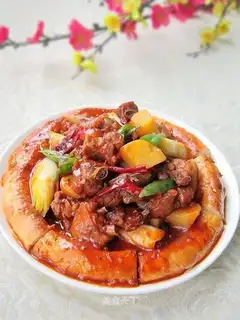
Xinjiang's big chicken can be described as a family member, and even the people of the Mainland know that many people from the Mainland have come to Xinjiang to taste it. When the big rooster comes up, it really shakes the inner people. The plate is really too big for two to three people to eat the big rooster. Not to mention a large plate of chicken co-eating. So when you order, the waiter looks at you as small, you usually remind you to have a large plate or a small plate, and two tourists from the Mainland order a large plate of chicken, and the waiter reminds you that they want a big plate of chicken, and they say they're hungry, they don't talk, they don't eat, and they send a special Internet post, and they specifically remind the tourists from Xinjiang to have a small plate of chicken, which is so big. I can see how big Xinjiang chickens weigh. Now the big chickens have developed a number of new varieties, large dishes, large buns, and so on. It is also a combination of food products and flavors that are unique to Xinjiang. The Xinjiang people love big chickens, which are necessary for the New Year's Festival. It's good for a big chicken to cook, to cook and to eat. In Xinjiang, it has a long history, and ancient times it has been called “breads”, “breads”. Flour is the primary feedstock, most of which is fermented surfaces, but with a small amount of salt not alkaline. There is also a great deal of variety and abundance of raw materials. Efficiencies of the platinum: lipid decompression, care, console, energy supplementation, cancer resistance, anti-decomposition radiation。
VicentaLakin
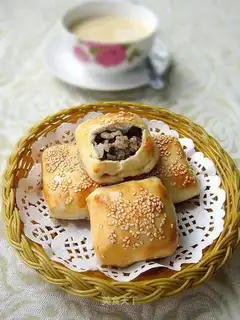
Baking buns (known as “salmsa”) and skin buns (known as “Petermansta”) are foods preferred by Uighur compatriots. Every morning a bowl of milk tea and two baked buns were their nutritious breakfast. The Han people do the same, except to go to a bun store for their fellow Wei, where they pack “two buns”, as they often say. If you say I want lamb buns, it must be a stranger who doesn't know the customs of Xinjiang, which is made of lamb. The simplest approach is fresh lamb, which must be half of the goat's leg and half of the goat's oil, so that the onion (the skin teeth of the Xinjiang people) eats a special flavor, and the onion must be white, and it must be cut, so that the lamb must be cut. Such a little ding, a roasted bun bites it, it's fresh, it's oily, it's shiny. This is the characteristic of Xinjiang's cuisine, “oily” (many outsiders say that Xinjiang food is too greasy, but it is related to Xinjiang's geography and climate. It's not the dry-ass type. The buns like that eat up the cocoon. The taste of Xinjiang's lamb, with no more sauce, with pepper powder and tweak powder, is not Xinjiang's taste. And the shape of the bun has been a shape since ancient times, and that's square. The real buns are baked from the pits, and now there's ovens that you can make at home, but the only thing that's different is the ovens that are baked, and the taste is different, and the pits are baked from the fragrance, the natural smell. It doesn't taste like that. I used to bake it from my home in an oven and brush it with egg fluid, but the real roasted bun in a pit does not brush egg fluid, so it's for the good, and it's for the good, and it's not for the taste of a pit. So many special foods in Xinjiang are impersonable unless you haven't eaten the special foods of Xinjiang, and the ones that are lost. Both types of food are purchased in restaurants, food stands and alleys in towns and villages in Xinjiang, such as the Beijing meatloaf and Tinjin dogs, which are popular with customers. It's funny, when a thin-skin wraps steamed, or baked buns were taken from the pit, the cooks often raised their throats and shouted, "Ibra." Alexa wood buns. Alex Rawood was a famous cook hundreds of years ago. He made buns and buns. So the latter took his name as a sign for a customer。
VicentaLakin
It is the common term of Xinjiang ' s mixed face, which is a wheat pasta made directly by hand, without stinging or pressure, and which is made of vegetables and cattle and goats, which is a popular food preferred by all ethnic groups in Xinjiang, especially by the Uighurs and Muslims. They are well known and loved by all peoples. The first time I ate a cop was at my cousin's house, when I was so obsessed with its tweeds and tastes that I let my mother learn to do it, but after all these years, I still like to do it, and now I've learned how to do it from my mother, and I can do it myself。
VicentaLakin
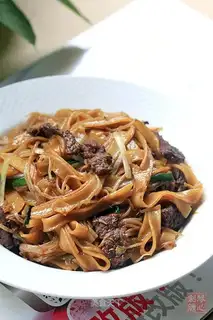
Dried cattle, classic snacks in cuisine, or food staples. Almost every winehouse and stage must have a dish, and it's also a cook's meal. It's hard to make it. It's hard to ask for it. It's not easy to fix it. First of all, it's called dry. Then the powder can't be too greasy. Looks like oil, but it can't stick on the plate, and second, the powder can't be broken, and certainly it's never going to be possible to keep it as short as possible. And the beef can't get too old, or it'll be a problem. Material used for dried oxen canals, except beef and river powder, is basically made of green bean sprouts, yellow beaks and cuisine. The green bean sprouts are clean enough to eat the powder, while the onions are cut in part and not cut into onions, so the scent doesn't spread. Quincy shared this dish with you today and, of course, the skill of drying cattle。