home cooking
VicentaLakin
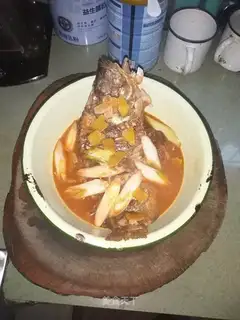
HE WHO ATE FOUR LEGS WAS SAID TO EAT TWO LEGS, TWO LEGS, AND ONE LEG. FOUR LEGS (PIGS, CATTLE, SHEEP), TWO LEGS (CHICKS, DUCKS, GEESE), AND, OF COURSE, ONE LEG IS FISH. THE NUTRITIONAL VALUE OF FISH IS VERY HIGH, AND IT IS LOW-CALORIE, FAT AND HIGH-PROTEIN FOOD. THERE ARE MANY TRACE ELEMENTS SUCH AS VITAMIN A, VITAMIN E, CALCIUM, MAGNESIUM, PHOSPHORUS, MANGANESE, SELENIUM, ZINC, IRON AND POTASSIUM, WHICH ARE ESSENTIAL TO HUMANS. IT HAS THE EFFECT OF PROMOTING BONE DEVELOPMENT, PREVENTING ANAEMIA, ENHANCING INTELLIGENCE, IMPROVING IMMUNITY, PROTECTING CARDIAC MUSCLES, PROTECTING EYESIGHT, PREVENTING DEMENTIA, STRENGTHENING THE REPRODUCTIVE SYSTEM OF MEN, PROTECTING THE BODY OF WOMEN ' S SKIN, AND SCAVENGERS. CHILDREN TEND TO EAT BRAIN-SMART AND SMART。
VicentaLakin
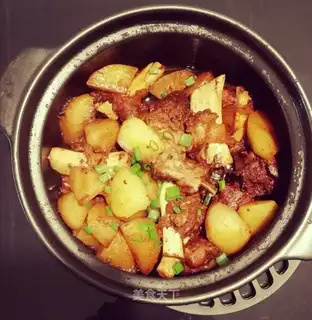
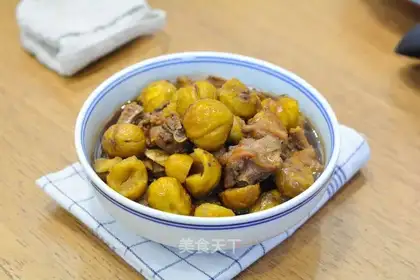
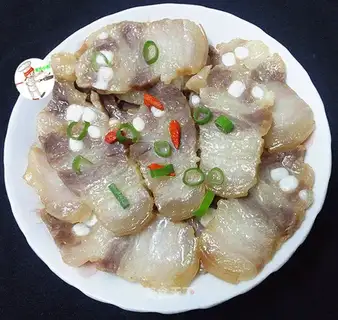
In many places, it's called pork, but it's called salt in our river. After autumn, it is not far from winter; in winter, pickle meat (or salt meat), or cooking, cooking or steam, etc., are delicious; but salt meat is salty, and every time you eat less. There are similarities and differences between salt and bacon. Salted meat is made of salt, and it is called salted meat. Salted meat serves the purpose of food conservation by adding salt to the meat to make it highly permeable to suppress or kill some micro-organisms in the meat, while high-permeability environments reduce oxygen content in meat products and inhibit enzymes activity in meat. Good salt meat: muscles with solid surfaces free of slime, skin-striped colour reds, a little yellow in fat, and the smell inherent in salt meat. The Zhejiang and Anhui are used to pickling and eating salt meat. In turn, meat is a processed product made from a process of roasting (or exposure to sun). The preservation of bacon is strong, prolongs the preservation time and adds a special flavor, which is the main difference from salt meat. It is mainly found in Sichuan, Hunan, Yungui and Guangdong and is known as “grain” because it is usually made in the lunar month of the agricultural calendar。