sauced Recipe
VicentaLakin
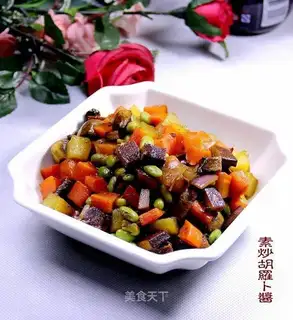
In the past, the old Beijingi table had four large sauces and four large scratches, which were said to have been transmitted from the Royal Court's dining room and the official's office as a simple way of cooking. After testing, it was proven that there had been such dishes in Beijing, and since they could not be sold at a good price, they had been phased out. Most of them are now using such valuable ingredients as oscillating oscillations, making some fancy kung fu to become home food for a high-priced restaurant. Four large sauces, it sounds like the same kind of soy sauce or soy sauce as Beijing Six, and not like food, but rather, it's a little fried. There are four large sauces; carrot sauce, pea sauce, cucumber sauce and scallop sauce. Among them, the number of sauerkraut is slightly more expensive. It is a raw material from north-east of the country that comes in after clearance, and because it is made from sauerkraut, it is called sauerkraut. The practice of four large sauces, mainly with pork porridges, is white, i.e. pork porcupines with carrots, pork porridges with peas, pork porcupines and pork porridges, known as the “four sauces”. The sauce used for cooking must be some of the old Beijing Six's butter, which is called the Four. Since it's a sham, you don't have to worry about his real practices, if it's good. Today, I'm making a whole-sweet chord called "screw carrot sauce," and I'm actually making a groceries that don't even need meat. This is as follows:
VicentaLakin
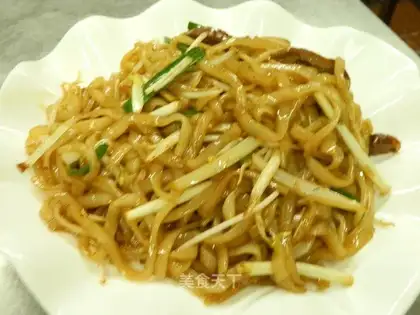
The main material, also known as sand, from the town of Sa River, Guangzhou, is usually made up of dry water powder purchased by supermarkets. In 1938, during Japan’s invasion of China, the Guangzhou cook, Xu Bin, created the dried oxen river (due to the presence of beef chips, known as the ox river) and then became the first person in Guangzhou to sell the dried oxen river. After the Japanese war, the cave-driners took the lead in bringing the dried oxen river to the end of the table。