Experts conducted a comparative analysis of various nutritional and health indicators for staple foods such as corn, rice, and wheat. The results revealed that the vitamin content in corn is exceptionally high, being 5-10 times that of rice and wheat.
At the same time, the large amount of nutritional and health-promoting substances in corn also surprised the experts. In addition to containing carbohydrates, protein, fat, and carotene, corn also contains nutrients such as riboflavin and vitamins. These substances are highly beneficial for preventing diseases like heart disease and cancer.
Research also shows that the nutritional value of special corn is higher than that of regular corn. For example, sweet corn has 1-2 times more protein, vegetable oil, and vitamins than regular corn; its content of the "element of life," selenium, is 8-10 times higher; and among its 17 amino acids, 13 are present in greater quantities than in regular corn. Furthermore, the various nutritional components of fresh corn, such as water, active substances, and vitamins, are much higher than in mature corn, because the nutrient content in corn decreases rapidly during storage.
There are many other benefits to eating corn:
1. Anti-aging
Every 100 grams of corn provides nearly 300 milligrams of calcium, almost equivalent to that in dairy products. Abundant calcium can help lower blood pressure. If 1 gram of calcium is consumed daily, blood pressure can be reduced by 9% after six weeks. Additionally, the carotene in corn, once absorbed by the body, is converted into vitamin A, which has anti-cancer properties; plant fiber can accelerate the excretion of carcinogens and other toxins; and natural vitamin E promotes cell division, delays aging, lowers serum cholesterol, prevents skin lesions, and can alleviate arteriosclerosis and brain function decline. Researchers point out that the lutein and zeaxanthin in corn can combat eye aging. Furthermore, eating more corn can inhibit the side effects of anti-cancer drugs on the human body, stimulate brain cells, and enhance human brainpower and memory.
Steamed Corn Dumplings with Plum Blossom
2. Protects the eyes
A 1994 study conducted by Harvard Medical School and many other research centers showed that a higher intake of lutein and zeaxanthin can reduce the risk of age-related macular degeneration by 43%. Corn contains lutein and zeaxanthin, with the latter being particularly abundant, making corn an excellent supplementary food for combating eye aging.
Salt and Pepper Corn
3. Can lower human cholesterol
American researchers also discovered that regular consumption of corn bran and corn oil is very beneficial for lowering human cholesterol. They selected 70 elderly people with an average age of 55, including 50 men and 20 women, all of whom had high cholesterol levels and had been hospitalized for over two years with unsatisfactory results. During the experiment, the researchers finely milled the corn and mixed it with seasonings such as garlic powder, black pepper, and celery, then blended it with tomatoes or soup to make a food. For the first month and a half, each person consumed 20 grams per day, and for the following month and a half, 40 grams per day. After three months, it was found that the triglyceride levels in the blood of all 70 participants had decreased, and the cholesterol levels of 60 of them had lowered.
Golden Corn Porridge
4. Aids in the treatment of various diseases
According to traditional Chinese medicine, corn is neutral in nature and sweet in flavor, and has effects such as stimulating the appetite, strengthening the spleen, removing dampness, and promoting urination. It is primarily used to treat diarrhea, indigestion, edema, and more. Corn is rich in unsaturated fatty acids, especially linoleic acid, which accounts for over 60% of its content. It works in synergy with the vitamin E in the corn germ to lower blood cholesterol concentration and prevent its deposition on blood vessel walls. Therefore, corn has a certain preventive and therapeutic effect on coronary heart disease, atherosclerosis, hyperlipidemia, and hypertension. Vitamin E can also promote human cell division and delay aging. Corn also contains a longevity factor—glutathione. With the participation of selenium, it generates glutathione peroxidase, which has the function of restoring youth and delaying aging. Furthermore, the abundant calcium, phosphorus, magnesium, iron, selenium, and vitamins A, B1, B2, B6, E, and carotene have a supplementary therapeutic effect on cholecystitis, gallstones, jaundice hepatitis, and diabetes.
Clay Pot Corn and Beef Brisket
Little tip: Don't peel the corn when buying it
Many people like to peel the husk and remove the silk from the corn when buying it, but this is not the most scientific approach. It's best to buy corn with its husk on.
This is because the outer husk helps protect the moisture inside the corn, thus maintaining its texture. When boiling corn, it's best to remove the outermost thick husk, leaving the two innermost thin layers, and also wash the silk clean. This can retain a unique corn aroma and make it easier to cook. Generally, corn takes about 8 minutes to boil. After the corn is cooked, it's best to remove it immediately and drain the water, otherwise the flavor will not be as rich. It should be noted that the soup cooked with the corn husk and silk is called "Dragon's Beard Soup," which is suitable for people with diabetes and hypertension.
Corn is best eaten boiled:
Corn contains a lot of starch and can also be part of our staple diet. There are many ways to eat it, such as boiling, roasting, or making popcorn. However, we recommend eating boiled corn, as other cooking methods can easily destroy its nutrients. Although some vitamin C is lost when boiling corn, it releases more nutrients, especially phenolic compounds and lysine, which have certain therapeutic effects on diseases like cancer.
Boiled Corn
Many people like to clean the corn silk and leaves completely when boiling corn, which is quite a pity. Corn silk can promote bile secretion, act as a diuretic, and lower blood sugar, while the corn cob core can stop sweating. We also know that summer is a high season for urinary tract infections, and the water from boiling corn has an anti-infective effect, provided the corn was washed clean. When eating corn, it's best to eat the germ part thoroughly, as it is the essence of corn and plays a very important role in protecting the cardiovascular system and anti-aging.
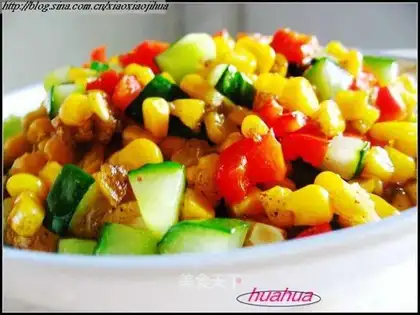 Salt and pepper corn
 golden corn paste
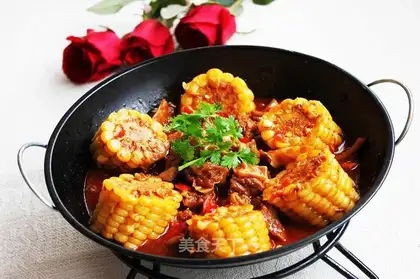 Pot corn beef brisket
 Corn and plum blossom steamed dumplings
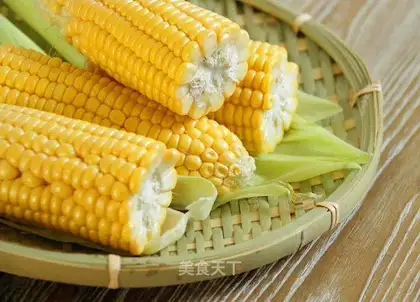 Cooking corn