People with low immunity often catch colds and get sick, so boosting immunity is fundamental to preventing disease and improving physical fitness. Today, we recommend 10 foods that can effectively boost your immunity, helping you build a strong body that is resistant to all kinds of illnesses!
1. Garlic
Garlic is rich in nutrients: per 100g, it contains 69.8g of water, 4.4g of protein, 0.2g of fat, 23.6g of carbohydrates, 5mg of calcium, 44mg of phosphorus, 0.4mg of iron, and 3mg of Vitamin C. Additionally, it contains thiamine, riboflavin, niacin, allicin, citral, and trace elements like selenium and germanium. Garlic can prevent fat deposition in the cardiovascular system, induce fat metabolism within tissues, significantly increase fibrinolytic activity, lower cholesterol, inhibit platelet aggregation, reduce plasma concentration, increase the degree of micro-arterial dilation, promote vasodilation, regulate blood pressure, and increase vascular permeability, thereby inhibiting thrombus formation and preventing arteriosclerosis.
Garlic also has the effects of strengthening the heart, promoting blood circulation, and prolonging life. Except for its unpleasant odor, its actual value is higher than gold. For patients, stir-frying a dish of garlic for regular consumption in their diet will surely have a noticeable effect on improving their physical constitution. When your respiratory tract is infected and your breathing is not smooth, eating some spicy food can be more comfortable than taking medicine: add a small spoonful of chili sauce to water and drink it or use it as a gargle; for those who can handle the heat, you can chew a few raw chili peppers; add a few garlic cloves when making soup.
Asparagus with Garlic Sauce
2. Asparagus
Asparagus is both a food and a medicine, and has been highly esteemed since ancient times. "Shennong Ben Cao Jing" lists asparagus as "the best of the top grade," stating that "long-term use can not only lighten the body, but also replenish qi and prolong life." Li Shizhen of the Ming Dynasty, in his "Ben Cao Gang Mu," recorded that asparagus "resolves goiter and heat, promotes urination," with effects of moistening the lungs, relieving coughs, eliminating phlegm, and killing parasites, and claimed it could "detoxify various internal poisons." "Zhonghua Yi Dian" further details that asparagus contains rutin and Vitamin C, which can lower blood pressure, soften blood vessels, and reduce cholesterol absorption, making it a dietary remedy for hypertension and coronary heart disease.
Modern research shows that asparagus contains a large amount of dietary fiber and rich selenium, giving it strong anti-cancer and cancer-fighting properties. The tissue protein in asparagus can promote normal cell growth and has an inhibitory effect on cancer cells, providing a certain therapeutic effect for all cancer patients and can be used as an auxiliary therapeutic food. At the same time, asparagus is also an excellent antioxidant food, making it a great health product for nutrition, beauty, weight loss, and anti-aging.
Asparagus and Cheese Salad
3. Tomatoes
Tomatoes have the functions of promoting saliva to quench thirst, strengthening the stomach to aid digestion, clearing heat to relieve summer heat, and tonifying the kidneys to promote urination. They can be used to treat conditions such as heat injury with fluid damage and thirst, loss of appetite, and internal heat from summer heat. They have significant hemostatic, blood pressure-lowering, and cholesterol-lowering effects, and have special effects in treating hemophilia and pellagra. Moreover, the biggest feature of tomatoes is that they are low in calories and rich in Vitamin C. This characteristic is of great significance for maintaining the health of human muscles, bones, teeth, and connective tissues, and for the normal functioning of the immune system. Tomatoes are rich in lycopene, an antioxidant similar to beta-carotene, which has the effect of enhancing the human immune system.
Tomato and Meatball Soup
4. Eggplant
Eggplant is rich in nutrients, containing protein, fat, carbohydrates, vitamins, and various nutrients such as calcium, phosphorus, and iron. The vitamin P content in eggplant is very high, with 750mg per 100g. It can enhance the adhesion between human cells, increase the elasticity of capillaries, reduce their brittleness and permeability, and prevent microvascular rupture and bleeding.
Except for lower levels of Vitamin A and Vitamin C, the vitamin, fat, phosphorus, iron, and polysaccharide content in eggplant is almost the same as in tomatoes. The protein and calcium content is 3 times higher than in tomatoes. Vitamin E in eggplant can enhance the antioxidant effect of cell membranes, resist the damage of harmful free radicals to cells, prevent arteriosclerosis and hypertension, promote the secretion of gonads and gastric juice, and regulate the function of the central nervous system.
Soy Sauce Stir-fried Eggplant
5. Carrots
Carrots are a common, crisp, delicious, and nutritious vegetable, known as "little ginseng." Carrots are rich in nutrients such as carbohydrates, fats, volatile oils, carotene, Vitamin A, Vitamin B1, Vitamin B2, anthocyanins, calcium, and iron.
In addition to being nutritious, carrots also have medicinal effects, mainly used as an adjuvant treatment for asthma, edema, skin diseases, and neurosis. It is medically believed that eating carrots can make children's eyes bright. As an excellent vegetable for boosting immunity and preventing cancer, the effect of carrots mainly lies in their rich beta-carotene. That is, beta-carotene can control the development of the most dangerous cancers such as lung cancer and pancreatic cancer. It is a very good preventive agent for lung cancer. Regular consumption of carrots and foods rich in beta-carotene can greatly reduce the risk of stroke.
Carrot and Five-grain Burger
 Tomato meatball soup
 Pork
Pork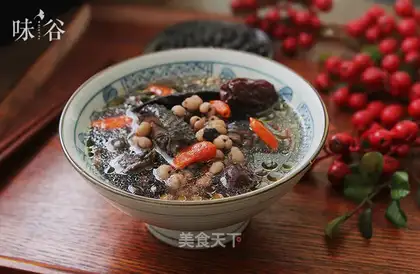 Black Bean-head chicken soup
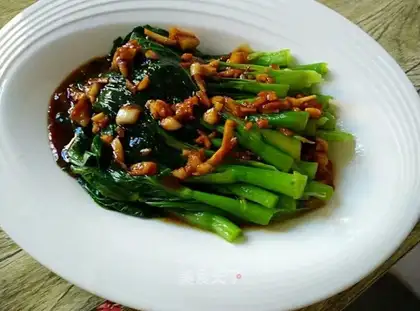 Creaming
 It's cocoa Madeleine