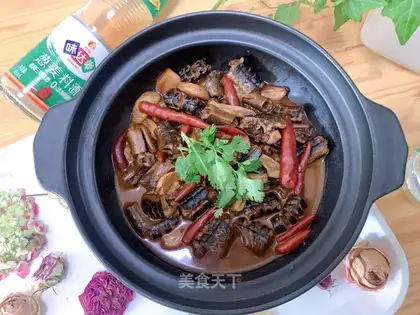
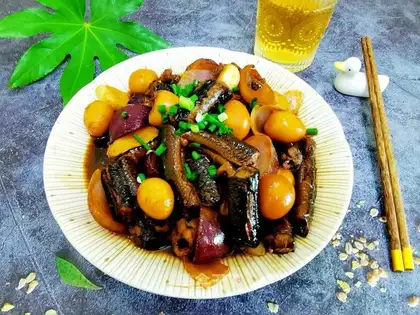
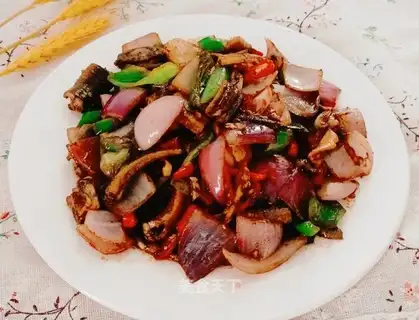
Rice eel, scientifically known as Monopterus albus, is a freshwater fish widely consumed across Asia, particularly in China, Japan, and Southeast Asia. Prized for its tender texture, delicate flavor, and cultural significance, this elongated, snake-like fish has been a staple in traditional cuisine and medicine for centuries. Beyond its culinary appeal, rice eel is a nutritional powerhouse, offering a wealth of protein, vitamins, and minerals that contribute to overall health. However, like many foods, it carries specific precautions that must be considered to ensure safe consumption. This article explores the nutritional value of rice eel, its health benefits, and the dietary restrictions associated with its consumption.
Nutritional Value of Rice Eel
Rice eel is a nutrient-dense food, rich in high-quality protein, essential amino acids, and micronutrients that are vital for human health. A 100-gram serving of cooked rice eel (approximately 150 grams raw) contains approximately 18 grams of protein, making it an excellent source of this macronutrient, which is essential for muscle repair, immune function, and enzyme production. Unlike many plant-based proteins, rice eel provides all nine essential amino acids, including lysine, methionine, and leucine, which the body cannot synthesize independently.
In addition to protein, rice eel is rich in healthy fats, particularly omega-3 fatty acids such as eicosapentaenoic acid (EPA) and docosahexaenoic acid (DHA). These polyunsaturated fats are critical for brain health, reducing inflammation, and lowering the risk of cardiovascular diseases. A 100-gram serving contains around 1.5 grams of omega-3s, comparable to fatty fish like salmon.
Micronutrient-wise, rice eel is a standout source of vitamin A, vitamin B12, iron, and zinc. Vitamin A supports vision, immune function, and skin health, while vitamin B12 is essential for nerve function and red blood cell formation. Iron, present in a highly bioavailable form (heme iron), aids in preventing anemia, particularly in women and children. Zinc, another key mineral, plays a role in immune modulation, wound healing, and DNA synthesis.
Notably, rice eel also contains smaller amounts of calcium, phosphorus, and selenium. Calcium and phosphorus are vital for bone health, while selenium acts as a powerful antioxidant, protecting cells from oxidative damage.
Health Benefits of Rice Eel
The unique nutritional profile of rice eel translates into numerous health benefits, making it a valuable addition to a balanced diet.
1. Supports Muscle Growth and Repair
The high protein content in rice eel makes it an ideal food for athletes, individuals recovering from illness, or those looking to maintain muscle mass. Protein provides the amino acids necessary for synthesizing new muscle tissue and repairing damaged fibers. For older adults, adequate protein intake from sources like rice eel can help combat age-related muscle loss (sarcopenia).
2. Enhances Brain Function and Mental Health
Omega-3 fatty acids (EPA and DHA) in rice eel are crucial for brain development and cognitive function. DHA, in particular, is a major structural component of the brain and retina, supporting memory, learning, and mood regulation. Studies suggest that regular consumption of omega-3-rich foods may reduce the risk of neurodegenerative diseases such as Alzheimer’s and depression.
3. Boosts Immune System
The combination of protein, vitamin A, zinc, and selenium in rice eel strengthens the immune system. Vitamin A maintains the integrity of mucosal barriers (e.g., in the respiratory and digestive tracts), while zinc and selenium enhance the activity of immune cells such as T-cells and natural killer cells. This makes rice eel particularly beneficial during cold and flu season or for individuals with weakened immunity.
4. Promotes Heart Health
The omega-3 fatty acids in rice eel help lower triglyceride levels, reduce blood pressure, and decrease the risk of arrhythmias, all of which contribute to cardiovascular health. Additionally, the low saturated fat content in rice eel makes it a heart-healthy alternative to red meat. The presence of potassium, a mineral that helps regulate blood pressure, further supports its role in maintaining a healthy heart.
5. Improves Anemia Management
Iron deficiency is one of the most common nutritional deficiencies worldwide, leading to anemia characterized by fatigue, weakness, and shortness of breath. Rice eel’s heme iron is highly absorbable—up to 30% more so than non-heme iron from plant sources—making it an effective food for preventing and treating iron-deficiency anemia. Pairing rice eel with vitamin C-rich foods (e.g., bell peppers, citrus fruits) can further enhance iron absorption.
6. Supports Bone Health
While not as rich in calcium as dairy products, rice eel provides a balanced combination of calcium, phosphorus, and vitamin D (if consumed with the bones). These nutrients work together to maintain bone density and reduce the risk of osteoporosis, particularly in postmenopausal women and the elderly.
7. Anti-Inflammatory Properties
Chronic inflammation is linked to numerous diseases, including arthritis, diabetes, and heart disease. Omega-3 fatty acids in rice eel have potent anti-inflammatory effects, inhibiting the production of pro-inflammatory molecules such as cytokines. This makes rice eel a valuable dietary component for individuals with inflammatory conditions.
Precautions and Potential Risks
Despite its numerous health benefits, rice eel consumption is not without risks. Certain precautions must be taken to avoid adverse effects.
1. Risk of Parasitic Infections
Rice eel is a freshwater fish that may harbor parasites, such as Gnathostoma spinigerum or Fasciola hepatica, if consumed raw or undercooked. These parasites can cause gastrointestinal distress, tissue damage, and in severe cases, systemic infections. To mitigate this risk, rice eel must be thoroughly cooked—preferably steamed, boiled, or fried at temperatures above 60°C (140°F)—to kill any parasites. Raw preparations (e.g., sushi or sashimi) should be avoided unless the fish has been frozen at -20°C for at least 7 days, a process that effectively eliminates parasites.
2. High Cholesterol Content
While rice eel is low in saturated fat, it contains moderate to high levels of cholesterol (approximately 70–90 mg per 100 grams). For individuals with hypercholesterolemia or a history of cardiovascular disease, moderation is key. The American Heart Association recommends limiting dietary cholesterol to less than 300 mg per day, so a single serving of rice eel should be balanced with low-cholesterol foods.
3. Purine Content and Gout Risk
Rice eel is rich in purines, natural compounds that break down into uric acid in the body. High uric acid levels can trigger gout, a painful form of arthritis characterized by joint inflammation. Individuals with gout or a predisposition to the condition should limit their intake of purine-rich foods, including rice eel. The National Institutes of Health (NIH) advises that gout patients consume no more than 100–150 mg of purines per day, with a single serving of rice eel exceeding this limit.
4. Environmental Contaminants
As a bottom-dwelling freshwater fish, rice eel may accumulate environmental toxins such as mercury, polychlorinated biphenyls (PCBs), and pesticides. These contaminants can pose health risks, particularly to pregnant women, nursing mothers, and young children. To minimize exposure, consumers should source rice eel from reputable suppliers and avoid consuming it in large quantities. Pregnant women are advised to limit their intake of high-mercury fish, including rice eel, to prevent developmental issues in the fetus.
5. Allergic Reactions
While rare, some individuals may be allergic to rice eel. Symptoms can range from mild (e.g., itching, hives) to severe (e.g., anaphylaxis). Those with a known fish allergy should avoid rice eel altogether. If a reaction occurs after consumption, medical attention should be sought immediately.
Conclusion
Rice eel is a nutrient-rich food that offers a multitude of health benefits, from muscle growth and immune support to heart and brain health. Its high protein content, omega-3 fatty acids, and essential micronutrients make it a valuable addition to a balanced diet. However, its consumption must be approached with caution due to risks associated with parasitic infections, high cholesterol, purine content, environmental contaminants, and allergic reactions.
To enjoy rice eel safely, it is essential to cook it thoroughly, consume it in moderation, and source it from reliable suppliers. For individuals with specific health conditions—such as gout, hypercholesterolemia, or pregnancy—consulting a healthcare provider or registered dietitian is advisable before including rice eel in their diet. When prepared and consumed responsibly, rice eel can be a delicious and nutritious component of a healthy lifestyle, bridging the gap between culinary tradition and modern nutrition.