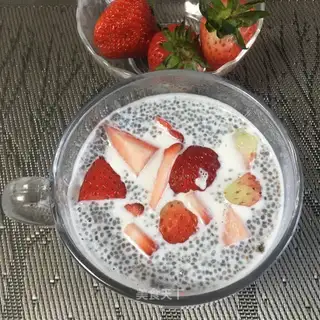
In the realm of superfoods, few have garnered as much attention as chia seeds. These tiny, oval-shaped seeds, derived from the Salvia hispanica plant—a member of the mint family native to Mexico and Guatemala—were once a staple in the diets of ancient Aztec and Mayan civilizations. Revered for their ability to provide sustained energy, chia seeds were known as "running food" among warriors and messengers who relied on them to endure long journeys. Today, modern science has unveiled why these ancient seeds deserve their superfood status, revealing a nutritional profile that is both dense and diverse. From supporting heart health to aiding digestion, chia seeds offer a multitude of benefits. However, like any potent food, they must be consumed wisely. This article explores the nutritional value of chia seeds, their scientifically supported health benefits, and important precautions to consider when incorporating them into your diet.
I. Nutritional Profile of Chia Seeds
Chia seeds are often called a "nutritional powerhouse" due to their exceptional concentration of essential macronutrients, micronutrients, and bioactive compounds. Just one ounce (28 grams) of chia seeds contains approximately:
- Fiber: 10 grams, including 9 grams of insoluble and 1 gram of soluble fiber. This makes chia seeds one of the richest plant-based sources of fiber, surpassing flaxseeds and many grains.
- Protein: 4 grams, including all nine essential amino acids, making them a rare complete protein in the plant kingdom.
- Healthy Fats: 9 grams, primarily omega-3 fatty acids (alpha-linolenic acid, or ALA), which account for over 60% of their total fat content. Chia seeds contain one of the highest concentrations of ALA of any food, even surpassing flaxseeds.
- Micronutrients: Significant amounts of calcium (18% of the Daily Value, DV), phosphorus (27% DV), magnesium (30% DV), and manganese (30% DV). They also provide iron, zinc, and potassium, as well as vitamins like B1 (thiamine), B2 (riboflavin), and B3 (niacin).
- Antioxidants: Chlorogenic acid, caffeic acid, and quercetin, which help combat oxidative stress and reduce inflammation.
What sets chia seeds apart is their unique ability to absorb water—up to 12 times their weight—forming a gel-like consistency. This property not only enhances their versatility in cooking but also underpins many of their health benefits.
II. Health Benefits of Chia Seeds
The combination of chia seeds’ nutrients has been linked to a range of health benefits, supported by both traditional use and modern research.
1. Supports Digestive Health
Fiber is the cornerstone of chia seeds’ digestive benefits. The soluble fiber forms a gel in the digestive tract, which slows down carbohydrate digestion, stabilizes blood sugar, and promotes a feeling of fullness. Insoluble fiber, on the other hand, adds bulk to stool, preventing constipation and supporting regular bowel movements. Studies suggest that the high fiber content in chia seeds may also feed beneficial gut bacteria, acting as a prebiotic to improve gut microbiota balance. For individuals with conditions like irritable bowel syndrome (IBS), the gel-forming fiber can help soothe symptoms by softening stool and reducing inflammation.
2. Promotes Heart Health
Cardiovascular disease remains a leading global cause of death, but chia seeds may offer protective effects. Their high omega-3 content, particularly ALA, has been shown to reduce levels of LDL (bad) cholesterol and triglycerides while increasing HDL (good) cholesterol. ALA also has anti-inflammatory properties, which can help lower blood pressure and reduce the risk of atherosclerosis (hardening of the arteries). A 2018 meta-analysis in the Journal of the American Heart Association found that consuming chia seeds daily for at least 12 weeks led to significant reductions in blood pressure, particularly in individuals with hypertension. Additionally, the fiber in chia seeds binds to bile acids in the gut, preventing their reabsorption and forcing the body to use cholesterol to produce new bile acids, thereby lowering overall cholesterol levels.
3. Aids Weight Management
Chia seeds are a valuable tool for weight control due to their high fiber and protein content, both of which promote satiety. The gel-like fiber expands in the stomach, signaling to the brain that you are full, which can reduce overall calorie intake. A 2017 study in Nutrition, Metabolism & Cardiovascular Diseases found that participants who consumed chia seeds as part of a calorie-restricted diet lost more weight and had greater reductions in waist circumference compared to those who did not. Furthermore, the protein in chia seeds helps preserve muscle mass during weight loss, which is crucial for maintaining a healthy metabolism.
4. Stabilizes Blood Sugar Levels
For individuals with type 2 diabetes or those at risk, chia seeds can help regulate blood sugar spikes. The soluble fiber slows the digestion of carbohydrates, preventing rapid increases in blood sugar after meals. A 2010 study in Diabetes Care showed that adding chia seeds to bread reduced the post-meal blood sugar response in participants with type 2 diabetes. Additionally, the gel-forming fiber may improve insulin sensitivity, allowing cells to use glucose more efficiently. This makes chia seeds a smart addition to diets focused on metabolic health.
5. Enhances Bone Health
Chia seeds are an excellent plant-based source of calcium, magnesium, and phosphorus—all essential minerals for bone strength. Calcium is the primary building block of bones, while magnesium aids in calcium absorption and bone metabolism. Phosphorus, meanwhile, works with calcium to form hydroxyapatite, the mineral complex that gives bones their rigidity. Just two tablespoons of chia seeds provide 18% of the recommended daily intake of calcium, comparable to a glass of milk. For vegans, lactose-intolerant individuals, or those at risk of osteoporosis, chia seeds offer a valuable alternative to dairy-based calcium sources.
6. Boosts Exercise Performance
Ancient Aztecs relied on chia seeds for endurance, and modern research has validated their role in physical performance. The combination of slow-digesting carbs, protein, and omega-3s provides a steady release of energy, while the gel-forming fiber helps maintain hydration by retaining water in the body. A 2011 study in the Journal of Strength and Conditioning Research found that chia seeds were as effective as energy gels in maintaining performance during prolonged exercise, with no differences in blood sugar or inflammation levels. This makes chia seeds a natural, affordable alternative to commercial sports supplements.
III. Precautions and Potential Side Effects
While chia seeds are generally safe for most people, there are important precautions to consider to avoid adverse effects.
1. Choking Hazard for Whole Seeds
Chia seeds’ ability to absorb water and expand can pose a choking risk if consumed dry, especially for children or individuals with swallowing difficulties. To prevent this, always soak chia seeds in water or another liquid (such as milk or juice) for at least 15–30 minutes before eating them. Alternatively, mix them into smoothies, yogurt, or oatmeal, where they can absorb liquid safely.
2. Digestive Discomfort
The high fiber content in chia seeds can cause bloating, gas, or diarrhea, especially for those not accustomed to a high-fiber diet. To minimize these effects, start with small amounts (e.g., 1 teaspoon per day) and gradually increase to 1–2 tablespoons as your digestive system adjusts. Drinking plenty of water is also crucial, as fiber requires adequate hydration to move smoothly through the digestive tract.
3. Blood Sugar and Blood Pressure Medications
Due to their ability to lower blood sugar and blood pressure, chia seeds may interact with medications for diabetes or hypertension. Individuals taking such medications should consult their healthcare provider before adding chia seeds to their diet to avoid the risk of hypoglycemia (low blood sugar) or hypotension (low blood pressure).
4. Omega-3 Interactions
While omega-3s are beneficial, excessive ALA intake may interfere with the absorption of EPA and DHA (the more bioactive forms of omega-3 found in fish oil). For individuals relying on fish oil supplements for conditions like heart disease or depression, moderation is key. The American Heart Association recommends no more than 3 grams of ALA per day from all sources, including chia seeds.
5. Allergies
Chia seed allergies are rare but possible. Symptoms may include itching, hives, or anaphylaxis. Individuals with seed allergies (especially to sesame or mustard seeds) should exercise caution and consult an allergist before trying chia seeds.
IV. How to Incorporate Chia Seeds into Your Diet
Chia seeds’ mild, nutty flavor and versatility make them easy to add to a variety of dishes:
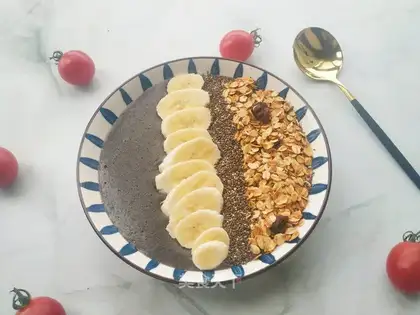
- Breakfast: Stir into oatmeal, yogurt, or smoothies. For a chia pudding, mix 3 tablespoons of chia seeds with 1 cup of almond milk and let it sit overnight in the refrigerator.
- Baking: Replace up to 25% of the flour in recipes with ground chia seeds to boost fiber and protein.
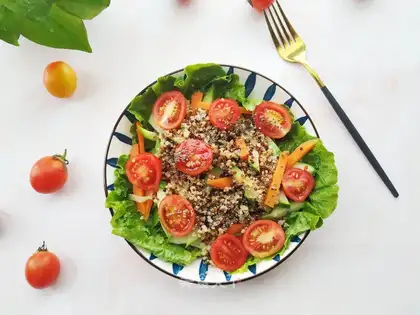
- Salads and Sauces: Sprinkle whole seeds on salads or blend them into dressings for a thicker texture.
- Hydration: Add chia seeds to water, lemonade, or coconut water for a refreshing, hydrating drink.
Conclusion
Chia seeds are a nutritional marvel, offering a unique blend of fiber, protein, omega-3s, and micronutrients that support digestive health, heart health, weight management, and more. Their ancient roots as a staple food have been validated by modern science, making them a valuable addition to a balanced diet. However, like all powerful foods, they should be consumed mindfully—soaked to prevent choking, introduced gradually to avoid digestive discomfort, and used with caution if taking certain medications. By incorporating chia seeds wisely, you can harness their benefits and enjoy the legacy of this ancient superfood in your modern diet. Whether you blend them into a smoothie, sprinkle them on a salad, or use them to make a healthy pudding, chia seeds are a small but mighty step toward better health.