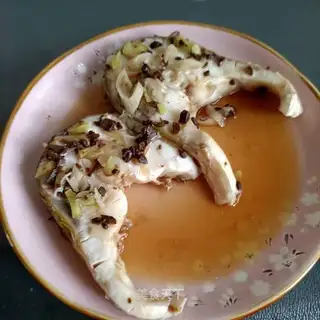
Grey mullet (Mugil cephalus), commonly known as "梭鱼" in Chinese, is a widely consumed saltwater fish found in coastal regions across the globe, including the Mediterranean, Asia, and North America. Renowned for its delicate flavor, firm texture, and versatility in culinary applications, grey mullet has been a staple in human diets for centuries. Beyond its gastronomic appeal, this fish is a nutritional powerhouse, offering a rich profile of essential nutrients that contribute to overall health. However, like many seafood varieties, it also comes with specific considerations regarding consumption. This article delves into the nutritional value, health benefits, and potential precautions associated with eating grey mullet, providing a comprehensive guide for health-conscious individuals and seafood enthusiasts.
Nutritional Value of Grey Mullet
Grey mullet is a nutrient-dense fish, packed with high-quality protein, vitamins, minerals, and beneficial fatty acids, making it an excellent addition to a balanced diet.
1. High-Quality Protein
Protein is a macronutrient essential for building and repairing tissues, producing enzymes and hormones, and supporting immune function. Grey mullet is an exceptional source of lean protein, with a 100-gram (cooked) serving providing approximately 18-20 grams of protein. This protein is "complete," meaning it contains all nine essential amino acids that the body cannot produce on its own. For individuals following plant-based diets or looking to reduce red meat consumption, grey mullet offers a sustainable and healthy alternative to meet protein needs.
2. Omega-3 Fatty Acids
One of the most significant nutritional highlights of grey mullet is its high content of omega-3 fatty acids, particularly eicosapentaenoic acid (EPA) and docosahexaenoic acid (DHA). These polyunsaturated fats are renowned for their cardioprotective, anti-inflammatory, and neuroprotective properties. A 100-gram serving of grey mullet can provide 500-1000 milligrams of EPA and DHA combined, depending on the fish’s diet and habitat. Omega-3s play a crucial role in reducing triglycerides, lowering blood pressure, preventing blood clots, and supporting brain health. They are also vital for fetal development during pregnancy, making grey mullet a valuable food for expectant mothers (when consumed safely).
3. Vitamins
Grey mullet is a rich source of several key vitamins:
- Vitamin D: Often called the "sunshine vitamin," vitamin D is critical for calcium absorption, bone health, and immune function. Grey mullet, especially when eaten with the bones, is one of the few natural food sources of vitamin D, with a 100-gram serving providing up to 20% of the daily recommended intake.
- Vitamin B12: This vitamin is essential for nerve function, DNA synthesis, and the formation of red blood cells. A deficiency in B12 can lead to anemia and neurological issues. Grey mullet is an excellent source of B12, with a single serving covering over 100% of the daily requirement.
- Vitamin B6: Involved in metabolism, brain development, and immune function, vitamin B6 is abundant in grey mullet, contributing to energy production and cognitive health.
4. Minerals
The fish is also loaded with essential minerals:
- Selenium: A powerful antioxidant, selenium protects cells from damage, supports thyroid function, and boosts immunity. Grey mullet provides significant amounts of selenium, with a 100-gram serving meeting 50-60% of the daily recommended intake.
- Phosphorus: Essential for bone and teeth formation, phosphorus also plays a role in energy production and cell repair. Grey mullet is a good source of phosphorus, particularly when consumed with the bones.
- Magnesium: Important for muscle and nerve function, blood sugar control, and blood pressure regulation, magnesium is found in moderate quantities in grey mullet.
- Iron: While not as high as in red meat, the iron in grey mullet is more easily absorbed due to the presence of vitamin B12 and omega-3s, making it beneficial for preventing iron-deficiency anemia.
Health Benefits of Grey Mullet
The impressive nutritional profile of grey mullet translates to numerous health benefits, spanning cardiovascular, cognitive, and metabolic health.
1. Cardiovascular Health
The omega-3 fatty acids in grey mullet are well-documented for their heart-protective effects. They help reduce levels of low-density lipoprotein (LDL or "bad" cholesterol) while increasing high-density lipoprotein (HDL or "good" cholesterol), thereby lowering the risk of atherosclerosis (hardening of the arteries). Additionally, omega-3s reduce inflammation in blood vessels, decrease blood pressure, and prevent the formation of clots, significantly reducing the risk of heart attacks and strokes. Regular consumption of grey mullet has been linked to a lower incidence of cardiovascular diseases, according to studies published in journals like the American Journal of Clinical Nutrition.
2. Brain Health and Cognitive Function
DHA, a key omega-3 fatty acid in grey mullet, is a primary structural component of the brain and retina. Adequate intake of DHA is associated with improved cognitive function, memory, and learning. It may also reduce the risk of age-related cognitive decline, including Alzheimer’s disease. For pregnant and breastfeeding women, consuming DHA-rich fish like grey mullet supports fetal brain and eye development, potentially leading to better cognitive outcomes in children.
3. Anti-Inflammatory Properties
Chronic inflammation is a root cause of many diseases, including arthritis, diabetes, and certain cancers. The omega-3s in grey mullet have potent anti-inflammatory effects, helping to reduce the production of pro-inflammatory molecules called cytokines. This makes grey mullet a valuable dietary addition for individuals with inflammatory conditions such as rheumatoid arthritis, where studies show that regular fish consumption can reduce joint pain and stiffness.
4. Metabolic Health and Weight Management
Grey mullet is a low-calorie, high-protein food, making it an excellent choice for weight management. Protein promotes satiety, reducing hunger and overall calorie intake, while the low glycemic index of fish helps stabilize blood sugar levels. Additionally, the selenium in grey mullet enhances insulin sensitivity, which is crucial for preventing and managing type 2 diabetes.
5. Immune System Support
The combination of vitamins and minerals in grey mullet, particularly vitamin D, selenium, and zinc, strengthens the immune system. Vitamin D regulates immune cell function, while selenium and zinc act as antioxidants, protecting immune cells from oxidative damage. A robust immune system is better equipped to fight infections and diseases, making grey mullet a valuable food for year-round health.
Precautions and Potential Risks of Eating Grey Mullet
While grey mullet offers numerous health benefits, there are important precautions to consider to ensure safe and healthy consumption.
1. Mercury and Environmental Contaminants
Like many predatory fish, grey mullet can accumulate mercury and other environmental pollutants such as polychlorinated biphenyls (PCBs) and dioxins. Mercury, in particular, is a toxic metal that can harm the nervous system, especially in developing fetuses, young children, and pregnant women. To minimize risk:
- Choose low-mercury sources: Opt for smaller, younger grey mullet, as larger, older fish tend to have higher mercury levels.
- Limit consumption: The U.S. Food and Drug Administration (FDA) recommends that adults eat 2-3 servings of fish per week, with no more than one serving of high-mercury fish. Pregnant women, nursing mothers, and young children should limit grey mullet to 1-2 servings per week.
- Sustainable sourcing: Select grey mullet from reputable suppliers that follow sustainable fishing practices and test for contaminants.
2. Allergic Reactions
Fish allergies are among the most common food allergies, and grey mullet can trigger allergic reactions in sensitive individuals. Symptoms may include hives, swelling, difficulty breathing, and anaphylaxis in severe cases. People with known fish allergies should avoid grey mullet entirely.
3. Purine Content
Grey mullet is moderately high in purines, natural compounds that break down into uric acid in the body. High uric acid levels can lead to gout, a painful form of arthritis. Individuals with gout or a history of kidney stones should limit their intake of purine-rich foods, including grey mullet.
4. Proper Cooking and Storage
Improper handling and cooking of grey mullet can increase the risk of foodborne illnesses. To ensure safety:
- Storage: Store fresh grey mullet at 4°C (39°F) or below and consume within 1-2 days of purchase. Frozen mullet can be kept for up to 6 months.
- Cooking: Cook grey mullet thoroughly to kill harmful bacteria such as Salmonella and Vibrio. The internal temperature should reach 63°C (145°F). Avoid raw or undercooked preparations (e.g., sushi) unless the fish is specifically labeled for raw consumption.
- Cross-contamination: Use separate cutting boards and utensils for raw fish to prevent cross-contamination with other foods.
5. Interaction with Medications
Grey mullet’s omega-3 content may interact with certain medications, particularly blood thinners (e.g., warfarin) and anti-inflammatory drugs (e.g., NSAIDs). Omega-3s have a mild blood-thinning effect, which can increase the risk of bleeding when combined with anticoagulants. Individuals taking such medications should consult their healthcare provider before consuming grey mullet regularly.
Conclusion
Grey mullet is a nutritional powerhouse that offers a wealth of health benefits, from supporting heart and brain health to reducing inflammation and boosting immunity. Its high protein, omega-3, vitamin, and mineral content make it an excellent choice for individuals seeking to enhance their diet with nutrient-dense foods. However, mindful consumption is key to avoiding potential risks such as mercury exposure, allergic reactions, and purine-related issues. By sourcing grey mullet responsibly, cooking it properly, and moderating intake based on individual health needs, one can enjoy this delicious fish as a cornerstone of a healthy, balanced diet. Whether grilled, baked, or steamed, grey mullet is not only a culinary delight but also a valuable ally in promoting long-term health and well-being.