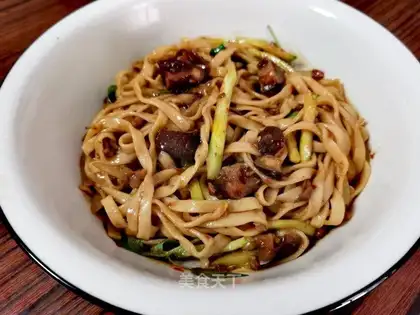
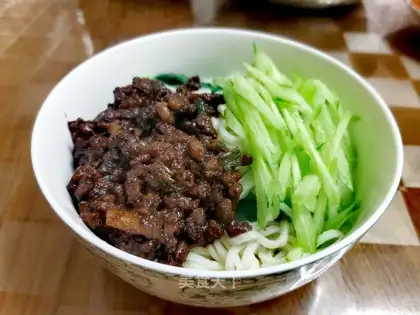
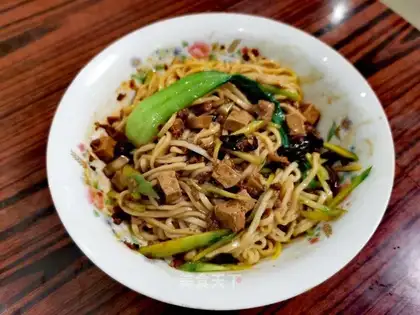
Soybean paste, or jiang in Chinese, is a fermented condiment with a history spanning over 2,000 years, deeply rooted in East Asian cuisine. Among its many varieties, ganjiang, or dry soybean paste, stands out for its thick, paste-like texture, rich umami flavor, and versatility in cooking. Beyond its culinary appeal, dry soybean paste is a nutritional powerhouse, offering a host of health benefits when consumed in moderation. However, like many fermented foods, it also comes with certain dietary considerations. This article explores the nutritional profile, health benefits, and potential risks of dry soybean paste, providing a comprehensive guide for incorporating this traditional ingredient into a balanced diet.
Nutritional Profile of Dry Soybean Paste
Dry soybean paste is made from fermented soybeans, often combined with wheat flour, salt, and sometimes other grains. The fermentation process, driven by Aspergillus oryzae (koji mold) and lactic acid bacteria, not only enhances its flavor but also boosts its nutritional value by breaking down complex compounds into more digestible forms.
A 100-gram serving of dry soybean paste typically contains:
- Calories: Around 200-250 kcal, making it a calorie-dense condiment best used sparingly.
- Protein: 12-15 grams, providing all essential amino acids, including lysine and methionine, which are often limited in plant-based diets. Soy protein is also highly bioavailable, supporting muscle maintenance and repair.
- Dietary Fiber: 5-8 grams, aiding digestion and promoting gut health. The fermentation process increases soluble fiber content, which acts as a prebiotic to feed beneficial gut bacteria.
- Fats: 8-10 grams, primarily unsaturated fats, including heart-healthy omega-3 and omega-6 fatty acids.
- Vitamins and Minerals: Rich in B vitamins (especially B12, though levels vary by fermentation), vitamin K, iron, magnesium, zinc, and manganese. Notably, the iron in soybean paste is non-heme iron, which is more easily absorbed when consumed with vitamin C-rich foods.
- Sodium: 1,500-2,000 mg per 100 grams—significantly high due to the salt added during fermentation. This is a key consideration for individuals monitoring sodium intake.
- Bioactive Compounds: Contains isoflavones (genistein, daidzein), saponins, and phenolic acids, which have antioxidant and anti-inflammatory properties. Fermentation increases the bioavailability of these compounds, making them easier for the body to utilize.
Health Benefits of Dry Soybean Paste
The nutritional composition of dry soybean translates into several evidence-based health benefits, particularly when consumed as part of a balanced diet.
1. Supports Digestive Health
Fermentation is the cornerstone of soybean paste’s gut-friendly properties. The process breaks down antinutrients (e.g., phytic acid, trypsin inhibitors) in soybeans, which can otherwise hinder mineral absorption and cause digestive discomfort. Additionally, the probiotics (lactic acid bacteria and yeast) produced during fermentation help maintain a healthy gut microbiome. These probiotics enhance nutrient absorption, reduce inflammation in the gut lining, and may alleviate symptoms of irritable bowel syndrome (IBS) and constipation. The fiber content further promotes regular bowel movements and supports the growth of beneficial bacteria, such as Bifidobacterium and Lactobacillus.
2. Enhances Immune Function
The probiotics and bioactive compounds in dry soybean paste play a role in modulating the immune system. Studies suggest that fermented soy products can increase the production of antibodies and activate immune cells (e.g., natural killer cells), enhancing the body’s defense against infections. The isoflavones in soybean paste also exhibit anti-inflammatory effects, reducing chronic low-grade inflammation, which is linked to conditions like heart disease, diabetes, and autoimmune disorders.
3. Promotes Heart Health
Dry soybean paste may contribute to cardiovascular health through multiple mechanisms. Its unsaturated fats help lower LDL (“bad”) cholesterol and increase HDL (“good”) cholesterol, reducing the risk of atherosclerosis. The isoflavones have been shown to improve blood vessel elasticity, lower blood pressure, and inhibit the oxidation of LDL cholesterol, a key step in plaque formation. Additionally, the fiber content helps regulate blood sugar levels and reduce cholesterol absorption in the gut. However, due to its high sodium content, individuals with hypertension should consume it cautiously and pair it with low-sodium foods to balance sodium intake.
4. Aids in Bone Health
Soybean paste is a good source of several bone-supporting nutrients, including calcium, magnesium, zinc, and vitamin K. Calcium and magnesium are essential for bone mineralization, while zinc plays a role in collagen formation and bone repair. Vitamin K activates osteocalcin, a protein that binds calcium to the bone matrix, reducing the risk of fractures. The isoflavones in soybean paste may also help prevent bone loss by inhibiting osteoclast activity (cells that break down bone) and stimulating osteoblast activity (cells that build bone). This is particularly beneficial for postmenopausal women, who are at a higher risk of osteoporosis due to declining estrogen levels.
5. Provides Antioxidant and Anti-Cancer Properties
The phenolic acids, isoflavones, and saponins in dry soybean paste act as potent antioxidants, neutralizing free radicals that cause oxidative stress and cellular damage. Oxidative stress is a major contributor to aging and chronic diseases, including cancer. Research suggests that isoflavones may inhibit the growth of cancer cells, particularly those of the breast, prostate, and colon. For example, genistein, a key isoflavone, has been shown to induce apoptosis (programmed cell death) in cancer cells and prevent tumor angiogenesis (the formation of new blood vessels that feed tumors). While more human studies are needed, these findings highlight the potential cancer-preventive role of fermented soy products.
Potential Risks and Consumption Considerations
While dry soybean paste offers numerous health benefits, its high sodium, purine, and phytic acid content require mindful consumption, especially for certain populations.
1. High Sodium Content
The most significant concern with dry soybean paste is its high sodium levels, primarily from salt added during fermentation. Excessive sodium intake is linked to hypertension, stroke, and kidney disease. The World Health Organization (WHO) recommends limiting sodium to less than 2 grams per day (equivalent to 5 grams of salt). Given that just 1 tablespoon (15 grams) of dry soybean paste can contain 300-400 mg of sodium, individuals with hypertension, kidney disease, or cardiovascular issues should consume it sparingly. To mitigate sodium intake, use it as a flavoring rather than a primary ingredient and pair it with potassium-rich foods (e.g., bananas, spinach, potatoes), which help counteract sodium’s effects on blood pressure.
2. Purine Content and Gout Risk
Dry soybean paste is moderately high in purines, natural compounds that break down into uric acid in the body. High uric acid levels can lead to gout, a painful form of arthritis characterized by joint inflammation. Individuals with gout or a history of kidney stones (which can form from uric acid crystals) should limit their intake of purine-rich foods, including soybean paste. However, recent studies suggest that the purines in fermented soy products may have a lower impact on uric acid levels than those in animal-based purines (e.g., organ meats, seafood). Moderate consumption (1-2 teaspoons per day) is generally safe for most people with gout, but those with severe symptoms should consult a healthcare provider.
3. Phytic Acid and Mineral Absorption
While fermentation reduces phytic acid levels compared to unfermented soybeans, small amounts may remain. Phytic acid can bind to minerals like iron, zinc, and calcium, reducing their absorption in the gut. However, this concern is minimal for individuals with balanced diets, as the body adapts by increasing mineral absorption over time. To enhance mineral absorption, consume soybean paste with vitamin C-rich foods (e.g., bell peppers, tomatoes, citrus fruits), which boost non-heme iron absorption.
4. Allergies and Sensitivities
Soy is one of the top eight food allergens, and individuals with soy allergies should avoid dry soybean paste entirely. Symptoms of a soy allergy range from mild (hives, itching) to severe (anaphylaxis). Additionally, some people may experience digestive discomfort (e.g., bloating, gas) due to the high fiber and oligosaccharide content in soybeans. Starting with small portions and gradually increasing intake can help assess tolerance.
Culinary Uses and Incorporation into a Healthy Diet
Dry soybean paste is a versatile ingredient that can enhance the flavor of dishes while adding nutritional value. Here are some ways to incorporate it into a balanced diet:
- Stir-fries and Sauces: Use 1-2 teaspoons to season stir-fries, marinades, or dipping sauces. Pair with vegetables, lean proteins (e.g., chicken, tofu), and whole grains (e.g., brown rice, quinoa) for a balanced meal.
- Soups and Stews: Add a spoonful to soups (e.g., miso soup, vegetable broth) for umami depth. Combine with low-sodium broth and fiber-rich vegetables (e.g., carrots, mushrooms, kale) to create a nutrient-dense meal.
- Marinades for Meat and Fish: The enzymes in fermented soybean paste help tenderize meat while infusing it with flavor. Mix with garlic, ginger, and a touch of honey for a balanced marinade.
- Dressings and Spreads: Blend with tahini, lemon juice, and a small amount of water to create a savory dressing for salads or sandwiches.
To maximize health benefits, prioritize low-sodium varieties and use them as a flavor enhancer rather than a main ingredient. Balance sodium intake by consuming plenty of potassium-rich foods and staying hydrated.
Conclusion
Dry soybean paste is a nutrient-dense, fermented food that offers a wide range of health benefits, from improved digestion and immune function to heart and bone health. Its rich profile of protein, fiber, vitamins, minerals, and bioactive compounds makes it a valuable addition to a balanced diet. However, its high sodium, purine, and phytic acid content necessitate mindful consumption, particularly for individuals with hypertension, gout, or soy allergies. By using it sparingly and pairing it with nutrient-dense foods, dry soybean paste can be enjoyed as both a culinary delight and a health-promoting ingredient. As with all foods, moderation and balance are key to unlocking its full potential while minimizing risks.
In a world where processed foods dominate, traditional fermented ingredients like dry soybean paste offer a link to the past while supporting modern health goals. By understanding its nutritional value and consumption guidelines, we can harness the power of this ancient condiment to nourish our bodies and savor the rich flavors of global cuisine.