Introduction
In the vast world of seafood, certain fish stand out not only for their delicate flavor but also for their remarkable nutritional and health benefits. The Atlantic croaker, widely known as "shā jiān yú" (沙尖鱼) in Chinese-speaking regions, is a prime example of this underrated gem. Found in coastal waters of the Atlantic Ocean, Mediterranean Sea, and parts of the Indo-Pacific, this slender, silver-skinned fish has been a staple in coastal diets for centuries. Beyond its culinary appeal, shā jiān yú is packed with essential nutrients, offering a range of health benefits—from supporting heart health to boosting immune function. However, like all seafood, it must be consumed mindfully to avoid potential risks. This article explores the nutritional profile, health benefits, and precautions associated with shā jiān yú, providing a comprehensive guide for seafood enthusiasts and health-conscious individuals alike.
Nutritional Profile of Shā Jiān Yú
Shā jiān yú is a nutritional powerhouse, offering a balanced combination of high-quality protein, healthy fats, vitamins, and minerals—all while being relatively low in calories. A 100-gram serving of cooked Atlantic croaker (approximately fillets without skin) contains roughly 150–180 calories, making it an excellent choice for those managing weight.
1. High-Quality Protein
Protein is essential for muscle repair, immune function, and overall growth. Shā jiān yú provides about 22–25 grams of protein per 100 grams, rivaling more popular fish like salmon or tuna. Its protein profile is complete, containing all nine essential amino acids that the body cannot produce independently. This makes it particularly valuable for athletes, individuals recovering from illness, or those following plant-based diets looking to diversify their protein sources.
2. Healthy Fats: Omega-3 Fatty Acids
While shā jiān yú is leaner than oily fish like mackerel, it still contains a notable amount of omega-3 fatty acids, specifically eicosapentaenoic acid (EPA) and docosahexaenoic acid (DHA). These fats are critical for brain health, reducing inflammation, and supporting cardiovascular function. A 100-gram serving provides approximately 0.5–1 gram of omega-3s, which, though less than salmon (which offers 2–3 grams), contributes significantly to daily omega-3 needs, especially when consumed as part of a balanced diet.
3. Vitamins
Shā jiān yú is rich in several key vitamins:
- Vitamin D: Often called the "sunshine vitamin," vitamin D is crucial for calcium absorption, bone health, and immune regulation. A 100-gram serving of shā jiān yú provides about 15–20% of the daily recommended intake, particularly beneficial for individuals with limited sun exposure.
- Vitamin B12: This vitamin is vital for nerve function, DNA synthesis, and red blood cell production. A single serving of shā jiān yú can cover 100% of the daily B12 requirement, making it an excellent food for preventing deficiency, which is common in vegetarians and older adults.
- Niacin (Vitamin B3): Supports metabolism, skin health, and energy production. Shā jiān yú offers about 25% of the daily niacin needs per 100 grams.
4. Minerals
The fish is also a good source of essential minerals:
- Selenium: A powerful antioxidant, selenium protects cells from damage, supports thyroid function, and boosts immunity. Shā jiān yú contains 30–40 micrograms of selenium per 100 grams, meeting roughly 50–70% of the daily requirement.
- Phosphorus: Works with calcium to build and maintain strong bones and teeth. A serving provides 200–250 milligrams of phosphorus, about 25% of the daily value.
- Iron and Zinc: While not as high as in red meat, shā jiān yú contributes to iron intake (about 10% of daily needs), which is important for preventing anemia. Zinc, essential for immune function and wound healing, is present in moderate amounts (1–2 mg per 100 grams).
Health Benefits of Shā Jiān Yú
The combination of nutrients in shā jiān yú translates to a range of health benefits, making it a valuable addition to a balanced diet.
1. Supports Heart Health
The omega-3 fatty acids in shā jiān yú play a key role in cardiovascular health. They help lower triglyceride levels, reduce blood pressure, decrease inflammation in blood vessels, and prevent the formation of blood clots. Additionally, the fish’s low saturated fat content (less than 1 gram per 100 grams) makes it a heart-healthy alternative to fatty meats. Regular consumption of shā jiān yú may reduce the risk of heart disease, stroke, and arrhythmias.
2. Boosts Brain Function
DHA, a type of omega-3 found in shā jiān yú, is a major structural component of the brain and retina. It supports cognitive function, memory, and learning, and may reduce the risk of age-related cognitive decline, such as Alzheimer’s disease. For pregnant and breastfeeding women, DHA is particularly important for fetal brain and eye development.
3. Strengthens Bones and Teeth
Shā jiān yú’s rich content of phosphorus and vitamin D makes it beneficial for bone health. Vitamin D enhances calcium absorption, while phosphorus works with calcium to form hydroxyapatite, the mineral complex that gives bones and teeth their strength. Regular consumption may help prevent osteoporosis and reduce the risk of fractures, especially in older adults.
4. Enhances Immune Function
The selenium and vitamin B12 in shā jiān yú are critical for a healthy immune system. Selenium acts as an antioxidant, neutralizing harmful free radicals that can damage immune cells. Vitamin B12 supports the production of white blood cells, which are essential for fighting infections. Together, these nutrients help the body resist pathogens and recover from illnesses more quickly.
5. Promotes Healthy Skin and Hair
The omega-3 fatty acids and B vitamins in shā jiān yú contribute to skin hydration and elasticity. Omega-3s reduce inflammation, which can help manage skin conditions like eczema and psoriasis. Niacin (B3) supports the skin’s barrier function, preventing moisture loss and reducing the risk of infections. Additionally, the protein in fish provides the amino acids needed for hair growth and strength, preventing breakage and dullness.
6. Aids in Weight Management
With its high protein and low-calorie content, shā jiān yú is an excellent food for weight management. Protein increases satiety, reducing hunger and overall calorie intake. It also helps preserve muscle mass during weight loss, ensuring that the weight lost comes from fat rather than lean tissue. A 100-gram serving of shā jiān yú provides a nutrient-dense, low-calorie option for those looking to maintain or lose weight.
Culinary Uses and Preparation Tips
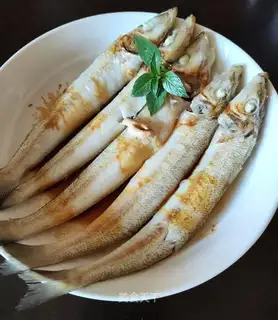
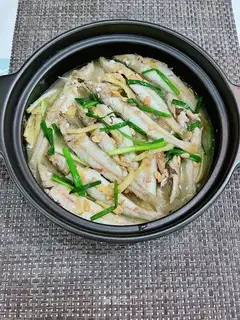
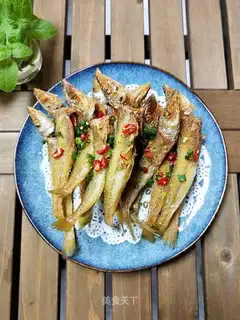
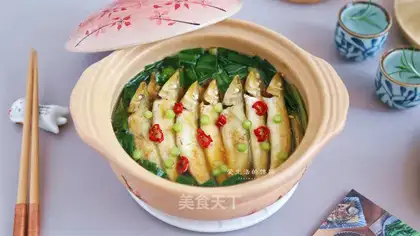
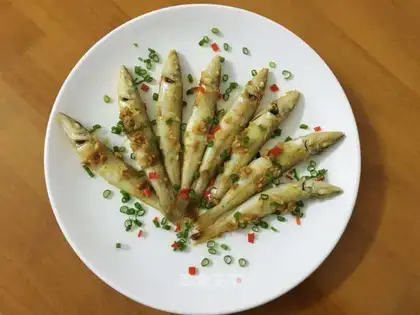
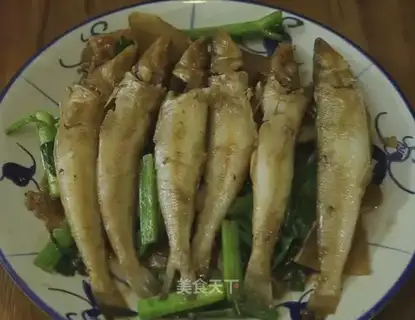
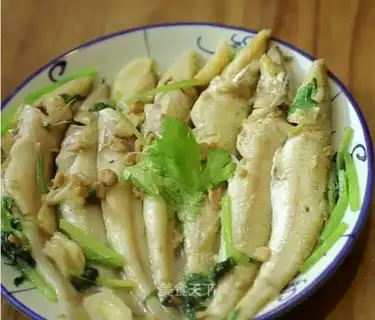
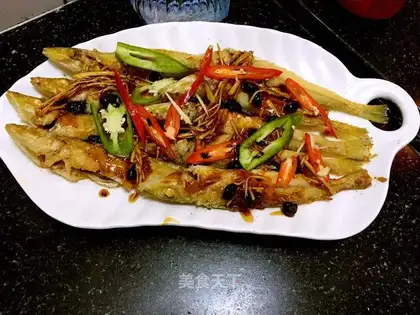
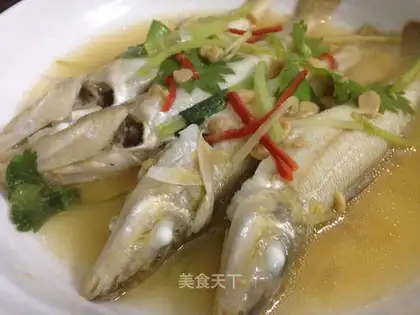
Shā jiān yú’s mild, slightly sweet flavor and firm, flaky texture make it versatile in the kitchen. It can be grilled, baked, steamed, or fried, though healthier cooking methods like steaming or grilling are recommended to retain its nutrients. In coastal regions of China, it is often steamed with ginger and scallions to highlight its natural flavor, or used in soups and stews. When purchasing shā jiān yú, look for clear eyes, shiny skin, and a fresh, mild smell—avoid fish with dull eyes or a strong, fishy odor, which may indicate spoilage.
Precautions and Potential Side Effects
While shā jiān yú offers numerous health benefits, there are important precautions to consider to ensure safe consumption.
1. Mercury and Contaminants
Like many fish, shā jiān yú may contain trace amounts of mercury, a heavy metal that can accumulate in the body and cause neurological damage, especially in pregnant women, young children, and nursing mothers. The FDA recommends limiting consumption of low-mercury fish like shā jiān yú to 2–3 servings per week (about 8–12 ounces total). Pregnant women and young children should consume no more than 1–2 servings per week.
2. Allergic Reactions
Fish allergies are common and can range from mild symptoms (hives, itching) to severe reactions (anaphylaxis). Individuals with a known fish allergy should avoid shā jiān yú. Those trying it for the first time should start with a small portion and monitor for adverse reactions.
3. Food Safety and Freshness
Improper handling or cooking of shā jiān yú can lead to foodborne illnesses, such as salmonella or listeria. Always purchase fish from reputable sources, store it at or below 40°F (4°C), and cook it to an internal temperature of 145°F (63°C) to kill harmful bacteria. Avoid raw preparations (e.g., sushi) unless the fish has been frozen at -4°F (-20°C) for at least 7 days to kill parasites.
4. Sustainability
Overfishing can deplete fish populations and harm marine ecosystems. When purchasing shā jiān yú, choose sustainably sourced options, such as those certified by the Marine Stewardship Council (MSC). Look for fish caught using methods that minimize bycatch and environmental damage.
Conclusion
Shā jiān yú, or Atlantic croaker, is a nutrient-dense seafood that offers a wide range of health benefits, from supporting heart and brain health to boosting immunity and promoting healthy skin. Its high protein, omega-3, and vitamin content make it a valuable addition to a balanced diet, while its mild flavor and versatile culinary uses ensure it can be enjoyed in various dishes. However, mindful consumption is key—limiting intake to avoid mercury exposure, ensuring freshness and proper cooking, and choosing sustainable sources can help maximize its benefits while minimizing risks. Whether steamed, grilled, or baked, shā jiān yú is a delicious and nutritious choice that deserves a place in the diets of seafood lovers and health enthusiasts alike. By understanding its nutritional value and taking necessary precautions, we can savor this "powerhouse fish" while supporting both our health and the environment.