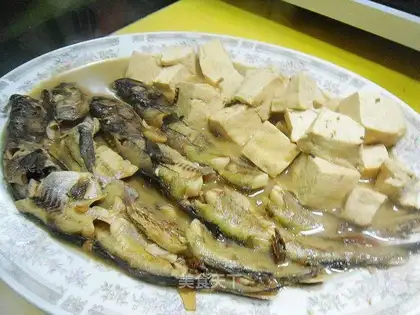
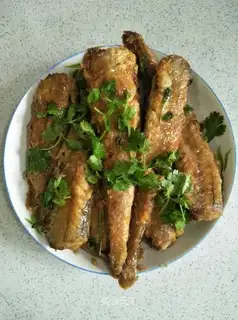
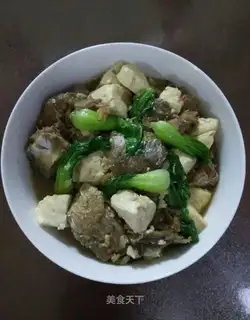
When it comes to nutrient-rich seafood, Ming Tai fish (Gadus chalcogrammus), commonly known as Alaska pollock, stands out as a global staple celebrated for its mild flavor, versatility, and impressive health profile. Native to the cold, pristine waters of the North Pacific and Bering Sea, this fish has been a dietary cornerstone in East Asia, particularly in Korea, Russia, and Japan, for centuries. Today, it is not only a key ingredient in traditional cuisines but also a favorite in health-conscious diets worldwide. This article delves into the nutritional value, health benefits, culinary applications, and important precautions associated with Ming Tai fish, offering a holistic understanding of why this humble fish earns its reputation as a "nutritional powerhouse."
I. Nutritional Value of Ming Tai Fish
Ming Tai fish is a nutritional treasure trove, packed with high-quality protein, essential vitamins, minerals, and omega-3 fatty acids—all while being low in calories and saturated fat. A 100-gram serving of cooked Ming Tai fish (without added fats) typically contains approximately:
1. High-Quality Protein
Protein is vital for muscle repair, immune function, and overall growth. Ming Tai fish provides about 18-20 grams of protein per 100 grams, making it an excellent source of complete protein—all nine essential amino acids are present in optimal proportions. This makes it particularly beneficial for athletes, recovering patients, and individuals looking to maintain or build muscle mass.
2. Omega-3 Fatty Acids
One of the most notable features of Ming Tai fish is its high concentration of omega-3 fatty acids, specifically eicosapentaenoic acid (EPA) and docosahexaenoic acid (DHA). A 100-gram serving can provide 200-300 milligrams of EPA and DHA combined. These polyunsaturated fats are renowned for their anti-inflammatory properties, support for heart health, and role in brain development. Unlike some oily fish, Ming Tai fish has a moderate fat content (around 0.5-1 gram per 100 grams), making it a lighter option while still delivering significant omega-3 benefits.
3. Essential Vitamins
Ming Tai fish is rich in several B vitamins, which play a crucial role in energy metabolism, nervous system function, and red blood cell production. Notably:
- Vitamin B12: A 100-gram serving covers over 100% of the daily recommended intake (DRI). Vitamin B12 is essential for nerve health and DNA synthesis, and its deficiency can lead to anemia or neurological issues.
- Niacin (B3): Important for converting food into energy and maintaining healthy skin.
- Vitamin B6: Supports brain development and immune function.
Additionally, it contains small amounts of vitamin D, which is critical for calcium absorption and bone health, and vitamin E, a powerful antioxidant that protects cells from oxidative damage.
4. Minerals
The fish is a good source of essential minerals, including:
- Selenium: A potent antioxidant that supports thyroid function and immune health. A 100-gram serving provides over 50% of the DRI.
- Phosphorus: Works with calcium to build strong bones and teeth.
- Potassium: Helps regulate blood pressure and fluid balance.
- Magnesium: Supports muscle and nerve function, as well as blood sugar control.
- Iron: Although not as high as in red meat, the iron in Ming Tai fish is more easily absorbed due to its low fat content and the presence of vitamin B12.
5. Low in Calories and Contaminants
With only 70-80 calories per 100 grams, Ming Tai fish is an ideal choice for weight management. Unlike larger predatory fish (such as shark or swordfish), it is low in mercury and other environmental toxins, thanks to its position in the lower levels of the food chain. This makes it a safer option for regular consumption, including for pregnant women and children (when cooked properly).
II. Health Benefits of Ming Tai Fish
The impressive nutritional profile of Ming Tai fish translates into a wide range of health benefits, supported by scientific research and traditional use.
1. Supports Heart Health
The omega-3 fatty acids (EPA and DHA) in Ming Tai fish are well-documented for their cardioprotective effects. They help:
- Lower Triglycerides: Reduce levels of triglycerides (a type of fat in the blood), a risk factor for heart disease.
- Reduce Blood Pressure: Improve endothelial function (the lining of blood vessels), aiding in blood flow and lowering hypertension.
- Prevent Arrhythmias: Stabilize heart rhythm, reducing the risk of sudden cardiac arrest.
- Decrease Inflammation: Chronic inflammation is a key driver of atherosclerosis (hardening of the arteries); omega-3s combat this by reducing pro-inflammatory cytokines.
A study published in the Journal of the American Heart Association found that regular consumption of omega-3-rich fish like Ming Tai fish can reduce the risk of fatal heart attacks by up to 36%.
2. Enhances Brain Function and Mental Health
DHA, a major component of Ming Tai fish, is highly concentrated in the brain and retina, making it essential for cognitive function and mental well-being. Benefits include:
- Brain Development: Critical for fetal and infant brain growth, which is why pregnant and breastfeeding women are often advised to consume omega-3-rich fish.
- Cognitive Decline: Regular intake may slow age-related cognitive decline and reduce the risk of neurodegenerative diseases like Alzheimer’s.
- Mood Regulation: EPA and DHA have been shown to alleviate symptoms of depression and anxiety. A 2020 meta-analysis in JAMA Network Open confirmed that omega-3 supplementation significantly reduces depression severity.
3. Boosts Immune Function
The combination of high-quality protein, selenium, and vitamins B6 and B12 in Ming Tai fish strengthens the immune system. Selenium, in particular, enhances the activity of white blood cells, which are responsible for fighting infections. Vitamin B12 supports the production of these cells, while protein provides the building blocks for antibodies and immune cells.
4. Promotes Healthy Skin and Hair
Omega-3s and vitamin E in Ming Tai fish contribute to radiant skin and strong hair by:
- Moisturizing Skin: Reducing transepidermal water loss, preventing dryness and flakiness.
- Reducing Inflammation: Alleviating skin conditions like eczema and psoriasis, which are linked to chronic inflammation.
- Supporting Hair Growth: Providing the amino acids and fatty acids needed for keratin production (the protein that makes up hair).
5. Aids in Weight Management
Low in calories and high in protein, Ming Tai fish is a satiating food that can help control appetite and reduce overall calorie intake. Protein takes longer to digest than carbohydrates, keeping you full longer and reducing cravings. Additionally, omega-3s may enhance metabolic rate, aiding in fat loss.
6. Supports Bone Health
The phosphorus, magnesium, and vitamin D in Ming Tai fish work synergistically to maintain bone density. Vitamin D enhances calcium absorption, while phosphorus and magnesium form the structural framework of bones. Regular consumption may reduce the risk of osteoporosis, especially in older adults.
III. Culinary Uses and Preparation Methods
Ming Tai fish’s mild, slightly sweet flavor and flaky texture make it incredibly versatile in the kitchen. It can be baked, grilled, steamed, fried, or fermented, adapting to a wide range of cuisines.
1. Traditional Preparations
- Korean Cuisine: Ming Tai fish (known as myeongtae) is a cornerstone of Korean food. It is often fermented to make myeongtae-jeot (salted fermented pollock), a key ingredient in kimchi and stews. Dried Ming Tai fish (bugeo or pollock roe) is also popular as a side dish or snack.
- Russian Cuisine: In Russia, the fish is salted and dried to make tuzhenaya myeongtae, a preserved delicacy often served with boiled potatoes or in soups.
- Japanese Cuisine: It is used to make surimi (a paste used for imitation crab sticks), as well as in tempura, sushi, and miso soup.
2. Modern and Healthy Cooking Methods
For those seeking a healthy preparation, steaming or baking Ming Tai fish with herbs, lemon, and olive oil is ideal. Grilling with vegetables like zucchini and bell peppers creates a balanced, nutrient-rich meal. For a crispy texture without deep frying, pan-searing the fish with a light coating of whole wheat flour or almond flour works well.
3. Pairings and Flavor Enhancers
Ming Tai fish pairs well with:
- Citrus: Lemon, lime, or orange zest brightens its mild flavor.
- Herbs: Dill, parsley, and thyme complement its taste without overpowering it.
- Spices: Ginger, garlic, and soy sauce add depth for an Asian-inspired twist.
- Healthy Fats: Avocado, nuts, and olive oil enhance its omega-3 content.
IV. Precautions and Potential Side Effects
While Ming Tai fish is generally safe and nutritious, there are a few precautions to keep in mind:
1. Mercury and Contaminants
Though Ming Tai fish is low in mercury compared to larger predatory fish, pregnant women, nursing mothers, and young children should limit consumption to 2-3 servings per week (as per FDA guidelines). This is to minimize exposure to trace amounts of mercury, which can harm fetal and infant nervous systems.
2. Allergies
Fish allergies are common and can range from mild (hives, itching) to severe (anaphylaxis). Individuals with a known fish allergy should avoid Ming Tai fish entirely. Those with shellfish allergies may also be at risk, as some processing facilities handle both types of seafood, leading to cross-contamination.
3. Sodium Content
Preserved forms of Ming Tai fish, such as salted fermented products, are high in sodium. Excessive sodium intake can increase blood pressure and raise the risk of heart disease. Individuals with hypertension should opt for fresh or lightly prepared versions and limit consumption of fermented varieties.
4. Purine Levels
Ming Tai fish contains moderate levels of purines, which can trigger gout attacks in susceptible individuals. Those with gout or kidney problems should consult a doctor before including it in their diet regularly.
5. Proper Cooking
Undercooked fish can harbor harmful bacteria and parasites (e.g., Anisakis). Ming Tai fish should be cooked to an internal temperature of 145°F (63°C) to ensure safety. Freezing the fish at -4°F (-20°C) for 7 days prior to cooking can also kill parasites.
V. Conclusion
Ming Tai fish is a nutritional and culinary gem that offers a host of health benefits, from heart and brain support to immune and skin health. Its mild flavor, versatility, and low contaminant levels make it a sustainable and accessible choice for people of all ages. By understanding its nutritional value, preparing it healthily, and being mindful of precautions, this humble fish can be a cornerstone of a balanced, nutrient-rich diet. Whether enjoyed as a traditional fermented delicacy or a simple baked fillet, Ming Tai fish proves that good taste and good health often go hand in hand. As global demand for healthy, sustainable protein sources grows, Ming Tai fish is poised to remain a favorite among seafood lovers for generations to come.