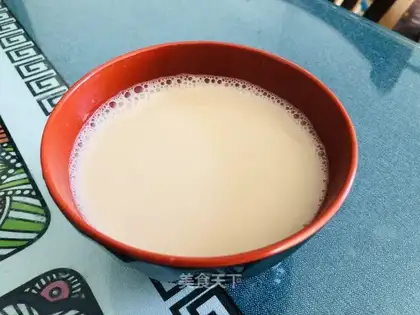
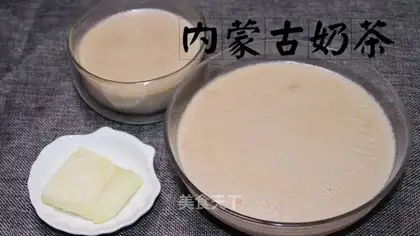
Brick tea, a compressed form of tea leaves, has been a staple in Central Asian, Siberian, and Tibetan cultures for centuries. Crafted by fermenting and aging tea leaves (typically from the Camellia sinensis plant) before pressing them into brick-like blocks, this humble beverage was not only a practical solution for transporting tea across vast trade routes but also a vital source of nutrition in regions where fresh produce was scarce. Today, as global interest in traditional and functional foods grows, brick tea is gaining recognition for its unique nutritional profile, health benefits, and cultural significance. This article explores the nutritional value of brick tea, its scientifically supported health benefits, and important precautions for consumption.
Nutritional Value of Brick Tea
Brick tea’s nutritional composition sets it apart from loose-leaf green or black teas due to its unique fermentation and aging processes. While all teas contain beneficial compounds like polyphenols, amino acids, and minerals, brick tea’s extended fermentation and microbial activity enhance its nutrient bioavailability and create a distinct profile.
1. Polyphenols and Bioactive Compounds
The primary active compounds in brick tea are polyphenols, particularly theaflavins, thearubigins, and epicatechins. Unlike green tea, which is rich in catechins (unoxidized polyphenols), brick tea undergoes microbial fermentation (e.g., Aspergillus, Penicillium, and Saccharomyces species) that oxidizes these compounds into larger, more complex molecules. Theaflavins and thearubigins, formed during fermentation, have been shown to exhibit stronger antioxidant and anti-inflammatory properties than their unoxidized counterparts.
Additionally, brick tea contains lovastatin, a natural compound known for its cholesterol-lowering effects, produced by Aspergillus fungi during fermentation. This makes it a unique functional food among teas.
2. Essential Minerals
Brick tea is a notable source of minerals, including fluorine, selenium, calcium, iron, and potassium. The high fluorine content, derived from the tea leaves and the water used in its production, contributes to dental health by strengthening tooth enamel. Selenium, a trace mineral with antioxidant properties, is particularly abundant in brick tea grown in selenium-rich soils, such as parts of Yunnan and Tibet.
3. Vitamins and Amino Acids
While tea is not a primary source of vitamins, brick tea contains small amounts of vitamin C, vitamin E, and B vitamins (e.g., B1, B2, and B12), which are produced or preserved during fermentation. It also provides essential amino acids like L-theanine, which promotes relaxation without drowsiness, and lysine, an amino acid often lacking in grain-based diets common in brick tea-consuming regions.
4. Dietary Fiber and Probiotics
The fermentation process in brick tea encourages the growth of beneficial probiotics, including Lactobacillus and Bifidobacterium strains. These gut-friendly microbes support digestive health and enhance nutrient absorption. Additionally, the compressed leaves retain dietary fiber, which aids in digestion and promotes satiety.
Health Benefits of Brick Tea
Centuries of traditional use and modern research highlight brick tea’s diverse health benefits, ranging from cardiovascular support to immune modulation.
1. Cardiovascular Health
Brick tea’s ability to lower cholesterol and blood pressure is one of its most well-documented benefits. Theaflavins and thearubigins inhibit the activity of HMG-CoA reductase, an enzyme involved in cholesterol synthesis, thereby reducing LDL (“bad”) cholesterol levels. A study published in the Journal of Agricultural and Food Chemistry found that regular consumption of brick tea decreased total cholesterol by 10–15% in participants with mild hyperlipidemia.
Moreover, the high potassium content in brick tea helps regulate blood pressure by balancing sodium levels in the body. Potassium acts as a vasodilator, relaxing blood vessels and reducing strain on the cardiovascular system.
2. Digestive Health
In traditional medicine, brick tea has been used to alleviate digestive discomfort, bloating, and indigestion. The probiotics generated during fermentation restore gut microbiota balance, while polyphenols inhibit the growth of harmful bacteria like Helicobacter pylori. A 2020 study in Food Research International confirmed that brick tea extracts enhanced gut barrier function and reduced inflammation in the colon, making it potentially beneficial for conditions like irritable bowel syndrome (IBS).
3. Antioxidant and Anti-inflammatory Effects
The fermented polyphenols in brick tea are potent antioxidants that neutralize free radicals, reducing oxidative stress linked to chronic diseases such as cancer, diabetes, and neurodegenerative disorders. Thearubigins, in particular, have been shown to inhibit the production of pro-inflammatory cytokines like TNF-α and IL-6, making brick tea a valuable food for combating inflammation.
4. Bone and Dental Health
Brick tea’s high fluorine content is a double-edged sword but offers significant benefits for bone and dental health when consumed in moderation. Fluorine strengthens tooth enamel and reduces the risk of cavities, while studies suggest it may also increase bone density by stimulating osteoblast (bone-forming cell) activity. For communities with limited access to fluoridated water, brick tea serves as a natural source of this mineral.
5. Weight Management
Brick tea may support weight loss by enhancing fat metabolism and reducing appetite. Theaflavins increase the activity of lipase, an enzyme that breaks down dietary fats, while polyphenols suppress the expression of genes involved in fat storage. Additionally, the caffeine and L-theanine combination in brick tea boosts metabolic rate and improves exercise performance, further aiding weight management efforts.
6. Immune Support
The probiotics and antioxidants in brick tea collectively strengthen the immune system. Probiotics stimulate the production of immunoglobulin A (IgA), an antibody that protects mucous membranes from pathogens, while polyphenols enhance the activity of natural killer (NK) cells, which target infected or cancerous cells. Regular consumption may reduce the frequency of respiratory infections, as observed in Tibetan communities where brick tea is a dietary staple.
Precautions and Potential Side Effects
While brick tea offers numerous health benefits, its unique composition requires cautious consumption, particularly for certain populations.
1. High Fluorine Content: A Double-Edged Sword
Brick tea’s high fluorine levels, while beneficial for teeth, can pose risks if consumed excessively. Chronic overconsumption (e.g., more than 4–5 cups per day) may lead to fluorosis, a condition characterized by dental discoloration, enamel damage, and in severe cases, skeletal fluorosis (joint pain and bone deformities). This risk is higher in regions with naturally high fluoride in water or soil. To minimize exposure, limit intake to 2–3 cups daily and opt for brick tea from low-fluoride sources.
2. Caffeine Sensitivity
Like all teas, brick tea contains caffeine, which can cause insomnia, anxiety, or rapid heartbeat in sensitive individuals. Pregnant women, children, and those with anxiety disorders should limit consumption or choose decaffeinated varieties.
3. Interactions with Medications
Brick tea’s polyphenols and caffeine may interact with certain medications. For example:
- Anticoagulants: High doses of polyphenols may enhance the effects of blood thinners like warfarin, increasing bleeding risk.
- Stimulants: Combining brick tea with ADHD medications (e.g., methylphenidate) or decongestants (e.g., pseudoephedrine) may exacerbate side effects like increased heart rate.
- Iron Absorption: The tannins in brick tea inhibit non-heme iron absorption, which is a concern for individuals with iron-deficiency anemia. To mitigate this, consume brick tea between meals, not with iron-rich foods.
4. Pregnancy and Lactation
Pregnant and breastfeeding women should consult a healthcare provider before consuming brick tea. High caffeine intake has been linked to low birth weight, and excessive fluorine may affect fetal development.
5. Quality and Contamination Risks
Traditional brick tea is often produced in unsanitary conditions, raising concerns about microbial contamination (e.g., aflatoxins from Aspergillus fungi). To ensure safety, purchase brick tea from reputable suppliers that adhere to quality control standards.
Conclusion
Brick tea is more than just a beverage; it is a nutritional and cultural treasure shaped by centuries of tradition and innovation. Its rich profile of fermented polyphenols, probiotics, minerals, and vitamins offers a range of health benefits, from improving cardiovascular and digestive health to supporting immune function. However, its high fluorine and caffeine content necessitate moderation, particularly for vulnerable populations.
As modern science continues to uncover the secrets of this ancient food, brick tea is emerging as a functional food with global appeal. By appreciating its nutritional value while respecting its potential risks, we can incorporate this humble “brick” into a balanced diet, bridging the gap between tradition and wellness. Whether sipped steaming hot in a Tibetan tent or brewed as a modern health tonic, brick tea remains a testament to the enduring power of nature to nourish and heal.