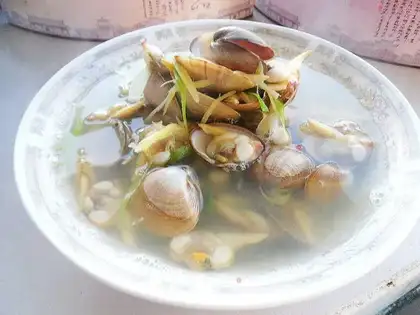
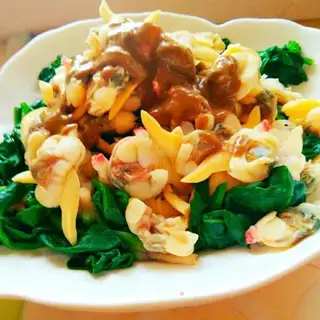
The ocean has long been a source of sustenance and wonder, offering a bounty of seafood that delights the palate and nourishes the body. Among its treasures, the yellow clam (Sanguinolaria acuminata), commonly known as “huang xian zi” in Chinese, stands out as a nutritional gem. Renowned for its sweet, briny flavor and tender texture, this bivalve mollusk is not just a culinary delight but also a powerhouse of essential nutrients. From boosting immunity to supporting heart health, yellow clams offer a myriad of health benefits. However, like all seafood, they must be consumed with awareness of potential risks and precautions. This article explores the nutritional profile, health benefits, and important considerations for enjoying yellow clams safely.
Nutritional Profile of Yellow Clams
Yellow clams are a nutritional dense food, packed with high-quality protein, vitamins, minerals, and bioactive compounds that contribute to overall health. A 100-gram serving of cooked yellow clams (approximately 15–20 clams) contains approximately:
- Protein: ~15 grams, providing all essential amino acids necessary for muscle repair, growth, and enzyme production. This makes yellow clams an excellent protein source, especially for those seeking alternatives to meat or poultry.
- Vitamins:
- Vitamin B12: ~20 micrograms (800% of the Daily Value, DV), crucial for nerve function, DNA synthesis, and red blood cell formation. Vitamin B12 deficiency can lead to anemia and neurological issues, making yellow clams a vital dietary source, particularly for vegetarians and vegans.
- Iron: ~3 milligrams (17% DV), in the heme form, which is more easily absorbed by the body than non-heme iron from plants. Iron is essential for oxygen transport and energy production.
- Vitamin C: ~10 milligrams (11% DV), though levels decrease during cooking. This antioxidant supports immune function and collagen synthesis.
- Vitamin A: ~50 micrograms (6% DV), important for vision, immune health, and cell growth.
- Minerals:
- Selenium: ~40 micrograms (70% DV), a potent antioxidant that protects cells from damage, supports thyroid function, and boosts immunity.
- Zinc: ~2 milligrams (18% DV), vital for immune function, wound healing, and DNA synthesis.
- Copper: ~0.3 milligrams (30% DV), which aids in iron metabolism and energy production.
- Phosphorus: ~200 milligrams (20% DV), supporting bone health and cellular energy (ATP) production.
- Omega-3 Fatty Acids: ~0.5 grams of EPA and DHA, which reduce inflammation, support brain health, and lower the risk of heart disease. While lower in omega-3s than fatty fish like salmon, yellow clams still contribute to a balanced omega-3 intake.
- Low in Calories and Fat: ~100 calories and 1 gram of fat per 100 grams, with most fats being heart-healthy unsaturated fats.
This combination of nutrients makes yellow clams a valuable addition to a balanced diet, offering significant health benefits with minimal caloric impact.
Health Benefits of Yellow Clams
The rich nutritional profile of yellow clams translates into several evidence-based health benefits, spanning immune support, heart health, and more.
1. Boosts Immune Function
Yellow clams are a goldmine of immune-boosting nutrients. Selenium, zinc, and vitamin C work synergistically to enhance immune response. Selenium activates antioxidants like glutathione, which neutralizes harmful free radicals, while zinc supports the development and function of immune cells (e.g., T-cells and neutrophils). Vitamin C stimulates the production of white blood cells and acts as an antimicrobial agent. Regular consumption of yellow clams may help reduce the severity and duration of infections, such as the common cold.
2. Supports Heart Health
The omega-3 fatty acids (EPA and DHA) in yellow clams play a key role in cardiovascular health. These fats lower triglyceride levels, reduce blood pressure, decrease inflammation in blood vessels, and prevent the formation of blood clots. Additionally, the low saturated fat content and presence of potassium (~150 mg per 100 grams) help regulate blood pressure by balancing sodium levels. Studies suggest that populations with higher seafood intake have a lower risk of heart disease, and yellow clams can be a part of this heart-healthy diet.
3. Enhances Cognitive Function
DHA, an omega-3 fatty acid abundant in yellow clams, is a major structural component of the brain and retina. It supports neurodevelopment, improves memory, and protects against age-related cognitive decline. Research links adequate DHA intake to a reduced risk of Alzheimer’s disease and depression. For pregnant and breastfeeding women, DHA is critical for fetal brain development, making yellow clams a beneficial food (when safely sourced) during these stages.
4. Promotes Muscle and Bone Health
The high-quality protein in yellow clams provides the building blocks for muscle maintenance and repair, making it ideal for athletes, older adults, and those recovering from injury. Additionally, phosphorus and calcium (though calcium levels are moderate) work together to support bone density. Phosphorus aids in the formation of hydroxyapatite, the mineral complex that gives bones their strength, while vitamin D (if consumed with fortified foods or sunlight exposure) enhances calcium absorption.
5. Aids in Weight Management
Yellow clams are low in calories but high in protein and fiber (from minor amounts of glycogen), promoting satiety and reducing overall calorie intake. Protein has a higher thermic effect (energy expended during digestion) than fats or carbs, further supporting weight loss. Their low glycemic index also makes them suitable for individuals with diabetes or insulin resistance.
6. Supports Thyroid Health
Selenium is a key component of thyroid hormones, which regulate metabolism, growth, and body temperature. Yellow clams’ high selenium content ensures adequate thyroid function, preventing disorders like hypothyroidism or goiter. Combined with iodine (if sourced from iodine-rich waters), selenium optimizes thyroid hormone production and activity.
食用禁忌与注意事项 (Precautions and Potential Risks)
While yellow clams offer numerous health benefits, improper consumption or overconsumption can lead to adverse effects. Understanding these risks is crucial for safe enjoyment.
1. Allergic Reactions
Shellfish allergies are among the most common food allergies, affecting millions worldwide. Yellow clams contain tropomyosin, a protein that triggers allergic reactions in sensitive individuals. Symptoms range from mild (hives, itching, swelling) to severe (anaphylaxis, difficulty breathing). Those with known shellfish allergies should avoid yellow clams entirely. Even trace cross-contamination (e.g., in shared cooking utensils) can pose a risk.
2. Heavy Metal and Contaminant Exposure
As filter-feeders, yellow clams accumulate toxins and heavy metals from their marine environment. Common contaminants include:
- Mercury: While lower in mercury than large predatory fish (e.g., shark, swordfish), excessive consumption can still lead to mercury toxicity, affecting the nervous system, kidneys, and immune system.
- Microplastics: Studies show shellfish often ingest microplastics, which may release harmful chemicals. Opt for sustainably sourced clams from clean waters to minimize this risk.
- Bacteria and Parasites: Raw or undercooked yellow clams may contain Vibrio bacteria (e.g., Vibrio vulnificus) or parasites, causing infections like gastroenteritis, sepsis, or hepatitis. Cooking clams thoroughly (internal temperature of 74°C/165°F) kills pathogens.
3. Purine Content and Gout Risk
Yellow clams are high in purines (150–200 mg per 100 grams), compounds that break down into uric acid. In individuals with gout or hyperuricemia, excessive purine intake can trigger painful flare-ups by increasing uric acid crystals in joints. Those with gout should limit consumption to 1–2 servings per week and avoid alcohol (which exacerbates purine metabolism).
4. Sodium Content
While not excessively high, yellow clams contain ~200 mg of sodium per 100 grams. For individuals with hypertension or kidney disease, excessive sodium can worsen fluid retention and blood pressure. Opt for steamed or grilled preparations (avoiding added salt) and consume in moderation.
5. Sustainable Sourcing
Overfishing and pollution threaten marine ecosystems, including yellow clam populations. Choose clams certified by sustainable seafood organizations (e.g., Marine Stewardship Council) or from farms that use eco-friendly practices. Avoid harvesting clams from polluted waters (e.g., near industrial areas or sewage outlets) to reduce exposure to toxins.
Conclusion
Yellow clams are a nutritional powerhouse, offering a wealth of protein, vitamins, minerals, and omega-3 fatty acids that support immune function, heart health, cognitive performance, and more. Their low calorie and high protein content make them an excellent choice for weight management and muscle maintenance. However, to reap these benefits safely, it is essential to be aware of potential risks: allergic reactions, contaminant exposure, purine-related issues, and sustainability concerns. By sourcing clams responsibly, cooking them thoroughly, and consuming them in moderation, individuals can enjoy this delicious seafood as part of a balanced, healthful diet. Whether steamed, grilled, or added to soups and pasta, yellow clams are a testament to the ocean’s ability to nourish both body and soul—when enjoyed with wisdom and care.