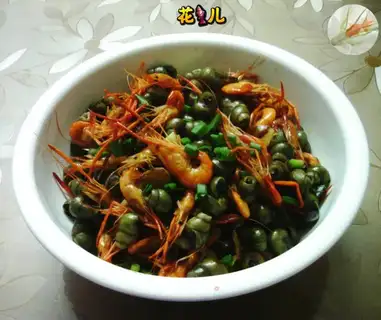
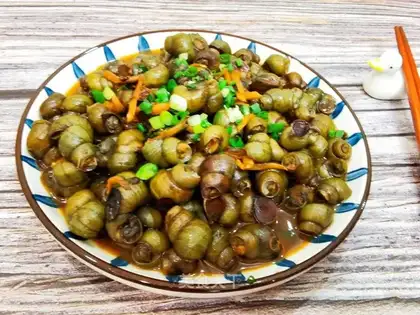
River snails, commonly known as luosifen in parts of China (though the term broadly refers to freshwater snails of the Viviparidae family), are a humble yet remarkable ingredient cherished across cultures for centuries. These spiral-shelled mollusks, thriving in rivers, lakes, and rice paddies, are more than just a culinary staple—they are a nutritional powerhouse, offering a unique profile of vitamins, minerals, and bioactive compounds. However, their consumption is not without risks. This article explores the nutritional value of river snails, their health benefits, and crucial precautions to ensure safe and enjoyable consumption.
I. Nutritional Value of River Snails
River snails are a nutrient-dense food, packing a high concentration of essential nutrients in a low-calorie package. A 100-gram serving of cooked river snails (without shells) contains approximately 90–100 calories, 15–18 grams of protein, and less than 2 grams of fat, making them an excellent choice for high-protein, low-fat diets. Their nutritional profile is particularly notable for its diversity and balance.
1. High-Quality Protein
Protein is the building block of life, and river snails are an exceptional source. Unlike many plant-based proteins, snail protein is “complete,” containing all nine essential amino acids (histidine, isoleucine, leucine, lysine, methionine, phenylalanine, threonine, tryptophan, and valine) that the human body cannot synthesize independently. This makes them valuable for muscle repair, immune function, and overall growth. The amino acid profile in snails closely resembles that of meat and fish, but with lower levels of saturated fat, offering a healthier alternative for protein intake.
2. Essential Minerals
River snails are rich in minerals critical for bodily functions:
- Iron: A 100-gram serving provides approximately 3–5 milligrams of iron, roughly 20–30% of the daily recommended intake for adults. Iron is vital for hemoglobin production, which transports oxygen in the blood, and its deficiency can lead to anemia. The iron in snails is non-heme iron, but its absorption is enhanced when consumed with vitamin C (e.g., alongside vegetables like bell peppers or broccoli).
- Zinc: With 2–3 milligrams per 100 grams, river snails are a good source of zinc, a mineral essential for immune health, wound healing, and DNA synthesis. Zinc also supports reproductive health and plays a role in taste and smell perception.
- Calcium: Though not as high as in dairy products, river snails contain 50–100 milligrams of calcium per 100 grams, contributing to bone and teeth health. The presence of phosphorus (in a ratio of roughly 1:1 with calcium) further enhances bone mineralization.
- Selenium: A trace mineral with antioxidant properties, selenium is abundant in river snails (10–20 micrograms per 100 grams). It helps protect cells from oxidative damage, supports thyroid function, and boosts immune response.
3. Vitamins and Bioactive Compounds
River snails are a surprising source of vitamins, particularly B vitamins and fat-soluble vitamins:
- Vitamin B12: Essential for nerve function and red blood cell formation, vitamin B12 is primarily found in animal products. River snails provide 1–2 micrograms per 100 grams, making them a valuable dietary source for vegetarians or individuals with limited meat intake.
- Vitamin A and E: These antioxidants support vision, skin health, and immune function. Vitamin E, in particular, protects cell membranes from oxidative stress.
- Omega-3 Fatty Acids: While not as high as in fatty fish, river snails contain small amounts of omega-3s (e.g., EPA and DHA), which have anti-inflammatory properties and support heart and brain health.
4. Low in Fat and Carbohydrates
River snails are naturally low in fat (less than 2 grams per 100 grams), with most of it being unsaturated fats, which are beneficial for heart health. They are also carbohydrate-free (excluding trace amounts from glycogen), making them ideal for low-carb or ketogenic diets.
II. Health Benefits of River Snails
Beyond their nutritional content, river snails offer a range of health benefits, backed by both traditional medicine and modern research.
1. Boosts Immune Function
The combination of high-quality protein, zinc, selenium, and vitamin B12 in river snails strengthens the immune system. Zinc and selenium are critical for the development and function of immune cells, while protein provides the necessary building blocks for antibodies. Additionally, selenium’s antioxidant properties help reduce inflammation, further supporting immune resilience.
2. Supports Muscle Growth and Repair
For athletes, fitness enthusiasts, or individuals recovering from illness, river snails are an excellent post-workout food. Their protein content aids in muscle synthesis, while the amino acid leucine stimulates muscle protein repair. Low in fat, they provide a lean protein source that promotes muscle growth without adding excess calories.
3. Enhances Bone Health
The calcium, phosphorus, and magnesium in river snails contribute to bone density and strength. These minerals work synergistically: calcium provides the structural framework of bones, while phosphorus and magnesium regulate its formation and absorption. Regular consumption, particularly in older adults, may help prevent osteoporosis and age-related bone loss.
4. Improves Iron Status and Fights Anemia
Iron deficiency anemia is a global health concern, especially among women and children. River snails’ high iron content, combined with their vitamin B12 (which aids iron absorption), makes them effective in preventing and treating anemia. For individuals with difficulty absorbing heme iron (from meat), the non-heme iron in snails, when paired with vitamin C, offers a viable alternative.
5. Promotes Heart Health
The low saturated fat content, omega-3 fatty acids, and potassium in river snails support cardiovascular health. Potassium helps regulate blood pressure by balancing sodium levels, while omega-3s reduce triglycerides, lower inflammation, and prevent blood clots. Additionally, the absence of cholesterol in snail meat (cholesterol is found only in the liver and other organs) makes them a heart-healthy protein choice.
6. Traditional Medicinal Uses
In traditional Chinese medicine, river snails are believed to “clear heat and detoxify,” meaning they are used to treat conditions like jaundice, urinary tract infections, and inflammation. The snail’s mucus is thought to have wound-healing properties, while the shells are ground into a powder to treat stomach ulcers. While these uses lack extensive modern scientific validation, they highlight the historical significance of snails in holistic health practices.
III.食用禁忌和注意事项 (Precautions and Contraindications)
Despite their benefits, river snails are not suitable for everyone, and improper consumption can lead to health risks. Understanding these precautions is essential to enjoying snails safely.
1. Risk of Parasitic Infections
River snails are intermediate hosts for various parasites, including Schistosoma (blood flukes) and Angiostrongylus cantonensis (rat lungworm), which can cause severe human illnesses. Schistosoma infection leads to schistosomiasis, a disease that damages the liver, spleen, and intestines. Angiostrongylus cantonensis, on the other hand, can cause eosinophilic meningitis, a rare but potentially fatal condition affecting the brain.
Prevention: To eliminate parasites, river snails must be cooked thoroughly. Boiling for at least 5–10 minutes or steaming until the meat is opaque is critical. Raw or undercooked snails (e.g., in ceviche or marinated dishes) should be avoided unless sourced from parasite-free, controlled environments. Freezing (-20°C for 7 days) can also kill some parasites but is less reliable than thorough cooking.
2. Heavy Metal Contamination
River snails are benthic organisms, meaning they live in sediment at the bottom of water bodies. As such, they can accumulate heavy metals (e.g., lead, cadmium, mercury) from polluted water sources. Chronic exposure to these metals can cause kidney damage, neurological disorders, and developmental issues in children.
Prevention: Only consume snails from clean, unpolluted waters (e.g., certified farms or pristine rivers). Avoid snails from industrial areas, agricultural lands with pesticide runoff, or urban waterways. In regions with known water pollution, err on the side of caution and limit snail consumption.
3. High Cholesterol in Certain Organs
While snail meat is low in cholesterol, the liver, digestive gland, and other organs contain high levels of cholesterol. Individuals with hypercholesterolemia (high cholesterol) or cardiovascular disease should avoid consuming these organs and stick to the muscle tissue.
4. Allergic Reactions
Though rare, some individuals may be allergic to snail proteins. Symptoms can range from mild (hives, itching) to severe (anaphylaxis). People with shellfish allergies (e.g., shrimp, crab) should be particularly cautious, as cross-reactivity between mollusk and crustacean proteins is possible.
5. Contraindications for Specific Populations
- Pregnant and Breastfeeding Women: While snails provide nutrients like iron and B12, the risk of parasitic contamination may outweigh benefits unless the snails are sourced and cooked safely.
- Individuals with Kidney Disease: Snails are high in protein, which can strain kidney function in those with pre-existing kidney disease. Medical advice is recommended before consumption.
- Children: Young children are more vulnerable to parasitic infections and heavy metal toxicity. Snails should be cooked thoroughly and served in moderation.
IV. Culinary Uses and Sustainability
River snails are a versatile ingredient in global cuisine. In China, they are a key component of luosifen (river snail rice noodles), a famous dish from Liuzhou where snails are simmered with rice noodles, bamboo shoots, and spicy broth. In France, escargots de Bourgogne are cooked with garlic, parsley, and butter and served as an appetizer. In West Africa, river snails are stewed with tomatoes and spices, providing a affordable protein source for local communities.
From a sustainability perspective, river snails have a low environmental footprint. They are filter feeders, consuming algae and detritus, which helps clean water bodies. Farming them requires no additional feed or antibiotics, making them a sustainable alternative to livestock and farmed fish. However, overharvesting wild snails can disrupt aquatic ecosystems, so responsible sourcing (e.g., farmed or sustainably wild-caught) is essential.
Conclusion
River snails are a nutritional and culinary treasure, offering a rich profile of protein, vitamins, minerals, and bioactive compounds that support immune function, muscle growth, bone health, and heart health. However, their consumption must be approached with caution due to risks of parasitic infections, heavy metal contamination, and allergic reactions. By sourcing snails from clean waters, cooking them thoroughly, and avoiding them in certain populations, individuals can safely enjoy their benefits. As global demand for sustainable protein sources grows, river snails may emerge as an important part of a healthy, eco-conscious diet—bridging tradition, nutrition, and environmental stewardship.