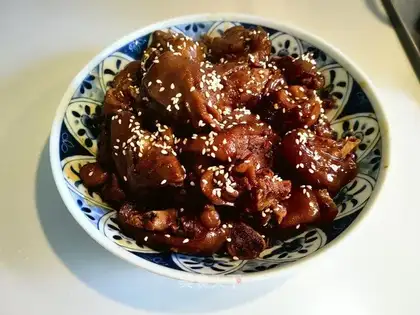
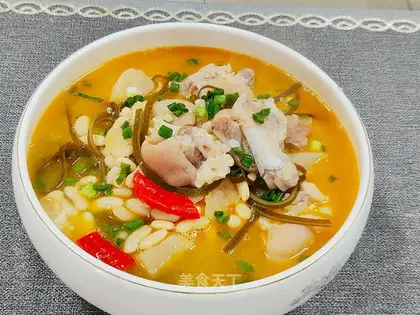
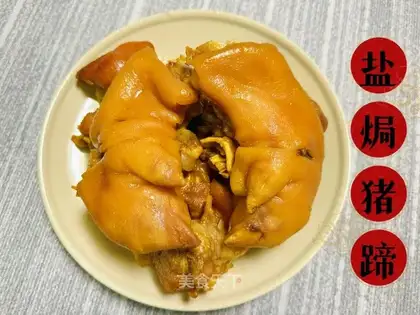
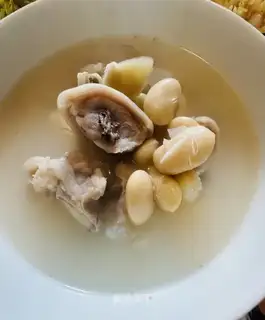
Pork trotters, often referred to as "pig's feet" in culinary contexts, are a delicacy enjoyed in cuisines worldwide, from Chinese braised trotters in soy sauce to European aspic dishes. Beyond their rich, gelatinous texture and ability to elevate broths and stews, pork trotters are a nutritional powerhouse, offering unique health benefits when consumed in moderation. However, like many nutrient-dense foods, they come with considerations for certain individuals. This article explores the nutritional profile, health benefits, potential risks, and culinary significance of pork trotters, providing a comprehensive guide for food enthusiasts and health-conscious consumers alike.
Nutritional Profile of Pork Trotters
Pork trotters are a rich source of essential nutrients, particularly protein, collagen, and minerals, making them a valuable addition to a balanced diet. A 100-gram serving of cooked pork trotters (without skin) contains approximately:
- Protein: 15–20 grams, providing all essential amino acids necessary for muscle repair, immune function, and enzyme production.
- Collagen: 25–30 grams, a structural protein that supports skin elasticity, joint health, and connective tissue integrity.
- Minerals: Significant amounts of selenium (an antioxidant), phosphorus (for bone health), zinc (for immune support), and iron (for red blood cell formation).
- Low Fat: When trimmed of excess skin and fat, pork trotters contain only 5–8 grams of fat per 100 grams, with most being unsaturated fat.
- Vitamins: Small but notable amounts of B vitamins (B12, niacin, and riboflavin), which play key roles in energy metabolism and nervous system health.
The high collagen content sets pork trotters apart from other meat cuts. Collagen, when simmered, breaks down into gelatin, a compound that enhances digestion and provides a silky texture to dishes. This makes trotters not only nutritious but also a functional food for gut and joint health.
Health Benefits of Pork Trotters
1. Supports Joint and Bone Health
Collagen is a primary component of cartilage, the tissue that cushions joints and prevents friction. As we age, natural collagen production declines, leading to joint pain and stiffness. Regular consumption of collagen-rich foods like pork trotters may help:
- Reduce Joint Pain: Studies suggest that collagen peptides (derived from cooked collagen) can alleviate symptoms of osteoarthritis by improving cartilage elasticity and reducing inflammation.
- Strengthen Bones: Trotters contain phosphorus and calcium, minerals that work together to maintain bone density. The collagen in trotters also provides a framework for calcium deposition, enhancing bone strength.
2. Promotes Skin Health and Anti-Aging
Collagen is a key structural protein in skin, responsible for firmness, hydration, and elasticity. A diet rich in collagen may help counteract age-related skin changes:
- Improves Skin Elasticity: Research indicates that consuming collagen supplements (or collagen-rich foods) can increase skin hydration and reduce wrinkles by stimulating the body’s own collagen production.
- Wound Healing: The amino acids in collagen (proline and glycine) are essential for repairing skin tissue, making trotters beneficial for post-injury recovery or skin regeneration.
3. Enhances Digestive Health
The gelatin derived from cooked collagen soothes the digestive tract by coating the stomach lining and reducing inflammation. This makes pork trotters particularly beneficial for:
- Gut Health: Gelatin helps repair the intestinal barrier, which may alleviate conditions like leaky gut syndrome.
- Digestive Comfort: Broths made from trotters are often recommended during illness, as they are easy to digest and provide hydration and nutrients.
4. Boosts Muscle Mass and Recovery
With 15–20 grams of protein per 100 grams, pork trotters are an excellent protein source for muscle maintenance and repair. The amino acids in collagen, particularly glycine and proline, support muscle synthesis and reduce exercise-induced muscle damage. Athletes or individuals recovering from injuries may benefit from including trotters in their diets to support recovery.
5. Supports Immune Function
Pork trotters contain zinc and selenium, minerals critical for immune health. Zinc deficiency is linked to weakened immune responses, while selenium acts as an antioxidant, protecting cells from oxidative stress. A 100-gram serving of trotters provides approximately 20–30% of the daily recommended intake of zinc, making it a valuable immune-boosting food.
Potential Risks and Precautions
While pork trotters offer numerous health benefits, they are not suitable for everyone. Certain groups should consume them in moderation or avoid them altogether:
1. High in Cholesterol and Saturated Fat
Pork trotters contain significant amounts of cholesterol (approximately 100–150 mg per 100 grams) and saturated fat, especially if the skin is included. For individuals with:
- High Cholesterol: The American Heart Association recommends limiting dietary cholesterol to 300 mg per day. Those with existing heart conditions should consult a doctor before consuming trotters regularly.
- Cardiovascular Disease: Saturated fat can raise LDL ("bad") cholesterol levels, increasing the risk of atherosclerosis. Lean cuts of meat or skinless trotters are better alternatives for those monitoring heart health.
2. Sodium Content in Processed Dishes
Braised or pickled trotters often contain high levels of sodium due to soy sauce, salt, or brine. Excess sodium intake is linked to hypertension and fluid retention. To mitigate this:
- Opt for homemade versions with reduced salt.
- Pair trotters with potassium-rich foods (e.g., spinach, bananas) to balance sodium levels.
3. Allergies and Sensitivities
While rare, some individuals may be allergic to collagen or pork proteins. Symptoms include hives, digestive upset, or anaphylaxis. Those with known pork allergies should avoid trotters entirely.
4. Purine Content for Gout Sufferers
Pork trotters are high in purines, compounds that break down into uric acid. In individuals with gout, high uric acid levels can trigger painful joint inflammation. Gout patients should limit or avoid trotters and opt low-purine foods like fish, poultry, or vegetables.
5. Calorie Density
Due to their collagen and fat content, trotters are calorie-dense (approximately 200–250 calories per 100 grams). Those watching their weight should consume them in moderation and balance them with low-calorie foods like vegetables and whole grains.
Culinary Uses and Preparation Tips
Pork trotters are incredibly versatile in the kitchen, lending themselves to a variety of cooking methods. To maximize their nutritional benefits while minimizing risks:
1. Choose Quality Cuts
- Opt for fresh, skin-on trotters for richer collagen content.
- Avoid frozen trotters with excessive ice crystals, which may indicate poor storage.
2. Trim Excess Fat
- Remove visible fat and skin before cooking to reduce saturated fat content.
- Use a slow cooker or pressure cooker to render fat while preserving collagen.
3. Healthy Cooking Methods
- Braising: Simmer trotters in broth with aromatic vegetables (e.g., garlic, ginger, carrots) for a tender, nutrient-rich dish.
- Stewing: Combine with beans or lentils for a high-protein, high-fiber meal.
- Aspic: Use trotters to make homemade broth, which sets into a collagen-rich gel when chilled.
4. Flavor Without Excess Salt
- Use herbs (rosemary, thyme), spices (star anise, cinnamon), and citrus (lemon, orange) to enhance flavor without relying on salt.
- Replace soy sauce with tamari (a gluten-free, lower-sodium alternative) for braised dishes.
Conclusion
Pork trotters are a nutrient-dense food that offers unique benefits for joint health, skin elasticity, digestion, and immune function. Their high collagen and protein content make them a valuable addition to a balanced diet, especially for athletes, older adults, or those recovering from injuries. However, their cholesterol, saturated fat, and purine levels require moderation for individuals with heart disease, gout, or high cholesterol. By choosing quality cuts, preparing them healthily, and consuming them mindfully, pork trotters can be both a delicious and nutritious staple in global cuisine. Whether enjoyed in a hearty stew, a savory broth, or a delicate aspic, these humble cuts prove that culinary delight and wellness can go hand in hand.