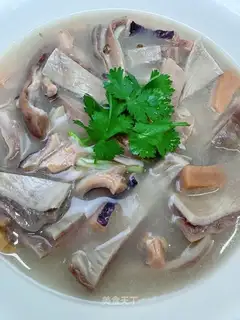
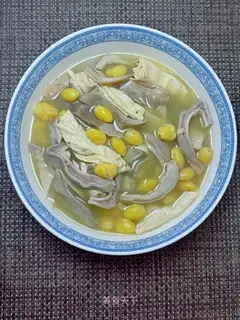
Pork tripe, the edible lining of a pig’s stomach, has long been a staple in culinary traditions across Asia, Europe, and Latin America. Revered for its unique texture, versatility in cooking, and impressive nutritional profile, this offal is often overlooked in modern Western diets despite its numerous health benefits. From supporting digestive health to providing essential nutrients, pork tripe is a nutritional powerhouse. However, like any food, it must be consumed with awareness of potential risks and dietary restrictions. This article explores the nutritional value of pork tripe, its health benefits, and important precautions to ensure safe and enjoyable consumption.
Nutritional Value of Pork Tripe
Pork tripe is a nutrient-dense food, rich in high-quality protein, vitamins, and minerals, while being relatively low in fat and calories. A 100-gram serving of cooked pork tripe (approximately half a cup) contains approximately:
- Protein: 17–20 grams, providing all nine essential amino acids necessary for muscle repair, immune function, and enzyme production. This makes it an excellent protein source for individuals seeking alternatives to meat or plant-based proteins.
- Fat: 3–5 grams, with most of it being unsaturated fat, which supports heart health when consumed in moderation.
- Calories: 80–100 calories per serving, making it a light yet filling option for weight management.
- Vitamins: Tripe is particularly rich in B vitamins, including B12 (crucial for nerve function and red blood cell formation), B6 (important for metabolism and brain health), and niacin (supports energy production and skin health). It also contains small amounts of vitamins A, D, and E.
- Minerals: This offal is a powerhouse of essential minerals, including zinc (vital for immune function and wound healing), iron (prevents anemia by supporting hemoglobin production), selenium (a powerful antioxidant that protects cells from damage), and phosphorus (strengthens bones and teeth). Additionally, it provides calcium and magnesium, which support muscle and nerve function.
Compared to muscle meats, pork tripe offers a more concentrated source of these nutrients per calorie, making it a valuable addition to a balanced diet.
Health Benefits of Pork Tripe
The nutritional composition of pork tripe translates to several health benefits, ranging from improved digestion to enhanced immune function.
1. Supports Digestive Health
As a byproduct of the stomach, tripe naturally contains collagen and elastin, proteins that support the integrity of the digestive tract. Collagen helps repair the gut lining, making it beneficial for individuals with conditions like leaky gut syndrome or irritable bowel syndrome (IBS). Additionally, tripe is rich in glycine, an amino acid that aids in the production of stomach acid, promoting efficient digestion and nutrient absorption.
2. Boosts Immune Function
The high zinc and selenium content in pork tripe plays a critical role in immune health. Zinc is essential for the development and function of immune cells, while selenium enhances the body’s antioxidant defenses, reducing inflammation and protecting against infections. Regular consumption of tripe may help strengthen the immune system, particularly during cold and flu season.
3. Promotes Muscle Recovery and Growth
With its high-quality protein content, pork tripe is an ideal food for athletes, fitness enthusiasts, and individuals recovering from illness or surgery. Protein provides the building blocks for muscle tissue, and the amino acids in tripe, such as leucine, stimulate muscle protein synthesis. This makes it a valuable post-workout meal to support repair and growth.
4. Enhances Skin, Hair, and Nail Health
The collagen and B vitamins in tripe are beneficial for maintaining healthy skin, hair, and nails. Collagen is a key component of skin elasticity, while B vitamins like biotin (vitamin B7) promote hair strength and nail growth. Consuming tripe regularly may help reduce signs of aging, such as wrinkles and sagging skin, and improve the overall texture of hair and nails.
5. Supports Energy Production
Niacin (vitamin B3) and riboflavin (vitamin B2) in tripe are essential for converting food into energy. These vitamins play a role in the metabolism of carbohydrates, fats, and proteins, ensuring the body has a steady supply of fuel. For individuals experiencing fatigue or low energy levels, tripe can be a nutritious addition to their diet.
Precautions and Potential Risks
While pork tripe offers numerous health benefits, it is important to consume it responsibly to avoid potential risks.
1. Proper Cleaning and Preparation
Pork tripe is a tough, muscular organ that requires thorough cleaning to remove residual food particles, mucus, and bacteria. Before cooking, tripe should be washed under cold running water and soaked in a mixture of salt, vinegar, or flour to remove impurities. It is often boiled for several hours to tenderize it and eliminate harmful pathogens. Improper cleaning can lead to foodborne illnesses, such as salmonella or E. coli infections.
2. High Cholesterol Content
Pork tripe is relatively high in cholesterol, with a 100-gram serving containing approximately 100–150 milligrams. While dietary cholesterol has less impact on blood cholesterol levels than saturated fats, individuals with existing heart disease, high cholesterol, or diabetes should consume tripe in moderation. Limiting intake to 1–2 servings per week is advisable for such individuals.
3. Sodium Concerns
Many commercially sold tripe is preserved in salt or brine, which significantly increases its sodium content. Excessive sodium intake can lead to high blood pressure and an increased risk of cardiovascular disease. To reduce sodium, opt for fresh tripe or rinse preserved tripe thoroughly before cooking. Avoid adding additional salt during preparation.
4. Allergies and Sensitivities
While rare, some individuals may be allergic to offal or organ meats. Symptoms of an allergic reaction include hives, swelling, digestive upset, or difficulty breathing. Those with known allergies to pork or offal should avoid tripe altogether. Additionally, individuals with gout should limit their intake, as tripe contains purines, which can trigger gout flares in susceptible individuals.
5. Cooking Methods Matter
The health benefits of tripe can be negated by unhealthy cooking methods. Frying tripe in oil or adding excessive amounts of fatty sauces increases its calorie and fat content. Instead, opt for healthier cooking methods such as boiling, steaming, or stir-frying with minimal oil. Pairing tripe with vegetables and whole grains can further enhance its nutritional value.
Culinary Uses and Incorporation into Diet
Pork tripe is a versatile ingredient that can be used in a variety of dishes. In Asian cuisine, it is a key component of pho (Vietnamese noodle soup), miko (Filipino tripe stew), and soto (Indonesian soup). In European cuisine, it is used in trippa alla romana (Roman-style tripe stew) and andouillette (French sausage). In Latin America, it is featured in menudo (Mexican tripe soup) and pancitas (Argentinian tripe stew).
To incorporate tripe into a healthy diet:
- Start with small portions: If you are new to tripe, begin with a small serving (50–100 grams) to assess tolerance.
- Pair with nutrient-rich foods: Combine tripe with vegetables, legumes, and whole grains to create a balanced meal. For example, add tripe to a vegetable soup or a stir-fry with brown rice.
- Choose fresh, high-quality tripe: Look for tripe that is pale pink or off-white in color, with no strong odor. Avoid tripe that appears slimy or discolored.
Conclusion
Pork tripe is a nutrient-dense food that offers a wide range of health benefits, from supporting digestive and immune function to promoting muscle growth and skin health. Its high protein, vitamin, and mineral content make it a valuable addition to a balanced diet, particularly for individuals seeking nutrient-rich, low-calorie protein sources. However, it is essential to consume tripe in moderation, ensure proper cleaning and cooking, and be mindful of potential risks such as high cholesterol and sodium levels. By incorporating tripe into meals responsibly, individuals can enjoy its unique flavor and nutritional advantages while minimizing health risks. Whether in a steaming bowl of pho or a hearty stew, pork tripe is a culinary treasure that deserves a place in a diverse and nutritious diet.