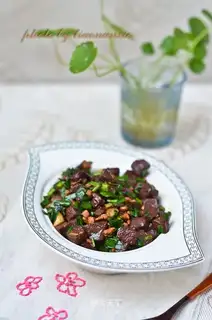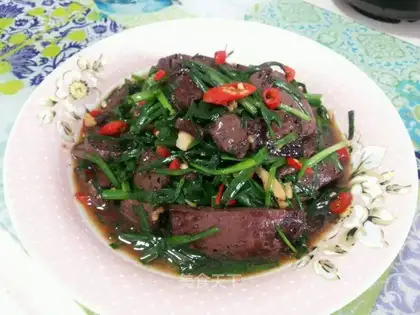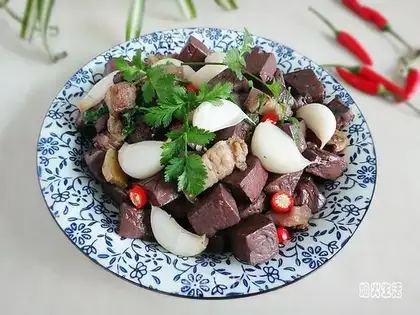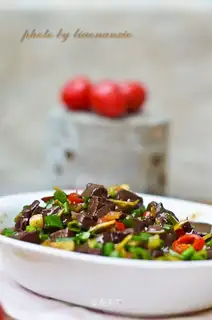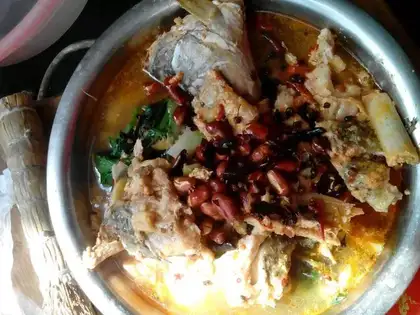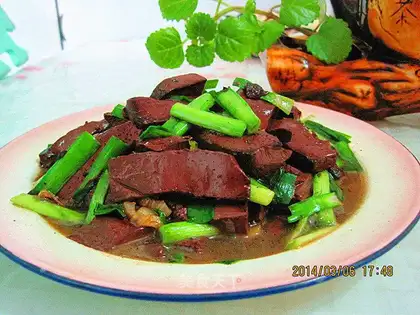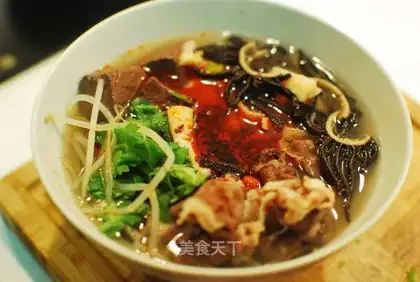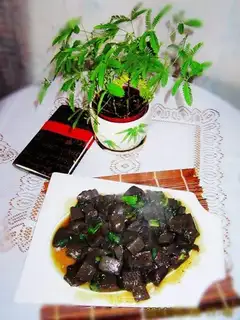
The baby likes the pig's blood. It's supposed to have something to do with being pregnant. Pork blood, which is priceless and known as the "homophile" healthy food, is rich in iron, potassium, calcium, phosphorus, zinc and copper. When I had the baby, the doctor said I was anemic, calcium-deficit and needed medicine, but I couldn't eat it, and then Mom said, "What do old people say to make up for it?" Let's eat squeezing pig blood. It turns out the old man is right. Next time I check, I'm all right. And medical research has shown that the frequent consumption of pig blood slows the aging of the body, improves its immune function, cleans the body's metabolism of "waste" and has the beauty of a human "scavenger". The intestinal fitness projects that people in the big cities are so keen to do are in line with what medicine says: "To live forever, to be within." And it's cheap and healthy. In particular, the reduced functioning of the circulatory system for older persons and the significant reduction in blood flow and rate of blood flow in many important organs require that more haemoglobins be found in blood. Protein and iron are important ingredients of haemoglobin, both of which have the highest levels of haemoglobin in pig blood, especially when they contain easily absorbed erythroglobin iron, which contributes significantly to the healthy development of adolescents. Pig blood is also a natural intestine diet. In short, the nutritional value of pig blood is not available for any food。
It's not like you haven't made a spicy meal, but you're trying to make it taste like this. I can't forget. I'm ready to eat once a week. Didn't you say blood could be cleared? It would be useful. By the way, what's the point? Pigs smell salty, sexy, primary, can bear blood, gas, strokes, injuries, fractures and dizziness. In addition, pig blood inhibits stone and detoxifies. It's nice to have some。