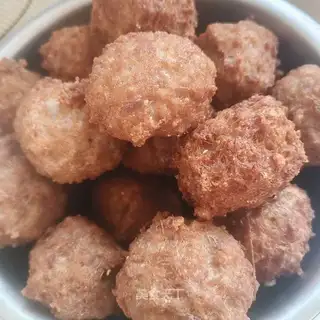
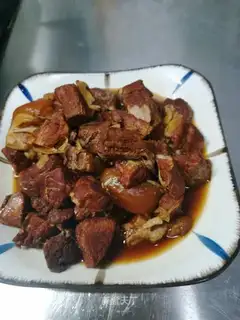
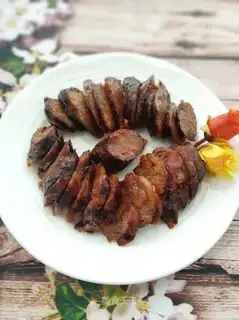
Pork, one of the most consumed meats globally, comes in various cuts, each with distinct characteristics. Among them, pork hind leg—often referred to as pork leg or fresh ham—stands out as a lean, nutrient-rich option prized for its versatility and health benefits. Whether roasted, braised, or cured, this cut offers a unique balance of protein, vitamins, and minerals, making it a valuable addition to a balanced diet. However, like all foods, it must be consumed mindfully to maximize its benefits and avoid potential risks. This article explores the nutritional profile of pork hind leg, its health benefits, and important considerations for safe consumption.
Nutritional Profile of Pork Hind Leg
Pork hind leg is derived from the rear of the pig, a muscle group that is more active than others, resulting in a leaner cut compared to belly or shoulder cuts. A 100-gram serving of cooked pork hind leg (without skin) typically contains:
- Protein: Approximately 25-30 grams of high-quality protein, providing all essential amino acids necessary for muscle growth, repair, and overall body function. Protein is also vital for hormone production and immune support.
- Fat: Around 5-8 grams, with most being unsaturated fats, including oleic acid (the same heart-healthy fat found in olive oil). It contains less saturated fat than fattier cuts like pork belly, making it a healthier choice for those monitoring fat intake.
- Vitamins:
- Vitamin B1 (Thiamine): Pork is one of the best dietary sources of thiamine, which plays a key role in energy metabolism and nerve function. A 100-gram serving can provide over 50% of the daily recommended intake.
- Vitamin B6: Essential for brain health, red blood cell formation, and immune function.
- Vitamin B12: Crucial for nerve health and DNA synthesis, with pork being a reliable source for individuals following animal-based diets.
- Niacin (Vitamin B3): Supports energy metabolism and skin health.
- Minerals:
- Selenium: A powerful antioxidant that protects cells from damage and supports thyroid function. Pork hind leg is one of the richest dietary sources of selenium.
- Zinc: Important for immune function, wound healing, and DNA synthesis.
- Phosphorus: Works with calcium to maintain strong bones and teeth.
- Iron: Heme iron, found in animal products, is more easily absorbed than non-heme iron from plants, making it beneficial for preventing iron deficiency anemia.
- Other Nutrients: It contains small amounts of choline (important for brain and liver health) and conjugated linoleic acid (CLA), a fatty acid linked to potential benefits in weight management and heart health.
Health Benefits of Pork Hind Leg
The nutrient density of pork hind leg contributes to several health benefits when consumed as part of a balanced diet.
1. Supports Muscle Growth and Repair
With its high protein content and complete amino acid profile, pork hind leg is an excellent choice for athletes, older adults, and individuals recovering from illness. Protein provides the building blocks for muscle tissue, helping to maintain muscle mass and strength, which is particularly important for preventing age-related muscle loss (sarcopenia).
2. Boosts Energy Metabolism
The B vitamins in pork hind leg—especially thiamine, B6, and B12—play a central role in converting food into energy. Thiamine helps break down carbohydrates, while B6 and B12 support the metabolism of fats and proteins. Adequate intake of these vitamins can prevent fatigue and support overall vitality.
3. Enhances Immune Function
Pork hind leg is rich in zinc and selenium, two minerals critical for a healthy immune system. Zinc supports the development and function of immune cells, while selenium acts as an antioxidant, reducing inflammation and protecting immune cells from oxidative stress. Studies show that deficiencies in these minerals can impair immune response, making pork hind leg a valuable dietary addition, especially during cold and flu season.
4. Promotes Heart Health
Contrary to outdated beliefs, lean pork cuts like hind leg can be part of a heart-healthy diet. The unsaturated fats in pork hind leg, particularly oleic acid, help lower LDL (“bad”) cholesterol levels when replacing saturated fats. Additionally, the B vitamins (B6 and B12) help reduce homocysteine, an amino acid linked to an increased risk of heart disease when elevated. The selenium content also supports cardiovascular health by reducing oxidative damage to blood vessels.
5. Supports Brain Health
The choline and B12 in pork hind leg are essential for brain function. Choline is a precursor to acetylcholine, a neurotransmitter involved in memory and mood regulation. B12, on the other hand, protects the myelin sheath that surrounds nerve fibers, ensuring efficient signal transmission between brain cells. Adequate intake of these nutrients may help prevent age-related cognitive decline and neurodegenerative diseases.
6. Aids in Weight Management
Pork hind leg is a high-protein, low-fat food that promotes satiety, helping to reduce overall calorie intake. Protein takes longer to digest than carbohydrates or fats, keeping you feeling full for longer and reducing the likelihood of overeating. Additionally, the CLA in pork has been studied for its potential to reduce body fat and improve body composition.
食用禁忌 (Precautions for Consumption)
While pork hind leg offers numerous health benefits, certain precautions must be taken to ensure safe and healthy consumption.
1. Moderate Intake to Avoid Overconsumption of Purines
Pork hind leg contains purines, natural compounds that break down into uric acid. High levels of uric acid can lead to gout, a painful form of arthritis, particularly in individuals with a history of the condition. People with gout or kidney problems should limit their intake of pork hind leg and opt for lower-purine alternatives like poultry or fish.
2. Ensure Proper Cooking to Prevent Foodborne Illnesses
Undercooked pork can harbor harmful bacteria such as Salmonella, E. coli, and Yersinia, as well as parasites like Trichinella. To minimize these risks, pork hind leg should be cooked to an internal temperature of 71°C (160°F), as measured by a food thermometer. Avoid consuming raw or undercooked pork dishes, such as steak tartare or undercooked roasts, especially for vulnerable populations like pregnant women, young children, and the elderly.
3. Limit Sodium Intake for Cuts and Processed Varieties
While fresh pork hind leg is naturally low in sodium, cured or processed versions (e.g., ham, prosciutto) often contain high levels of salt as a preservative. Excessive sodium intake is linked to high blood pressure and an increased risk of heart disease. For those monitoring sodium, fresh pork hind leg is the best choice, and cured products should be consumed in moderation or labeled as “low-sodium.”
4. Balance with a Fiber-Rich Diet
Pork hind leg is a source of heme iron, which is highly absorbable but can cause constipation in some individuals when consumed in large amounts. To counteract this, pair pork hind leg with fiber-rich foods like vegetables, whole grains, and legumes, which promote healthy digestion and help regulate iron absorption.
5. Choose Lean Cuts to Reduce Saturated Fat
While pork hind leg is leaner than other cuts, it still contains some saturated fat. For individuals with high cholesterol or heart disease, trimming visible fat and cooking methods like grilling, baking, or steaming (instead of frying) can further reduce saturated fat content. Additionally, limiting overall portion sizes to 100-150 grams per meal is advisable.
Culinary Versatility and Preparation Tips
Pork hind leg’s mild flavor and tender texture make it a versatile ingredient in global cuisines. Here are some popular ways to prepare it:
- Roasting: A whole or bone-in pork hind leg can be roasted with herbs, garlic, and spices for a centerpiece dish. Marinating the meat in acidic ingredients like vinegar or citrus juice can further tenderize it.
- Braising: Slow-cooking pork hind leg in liquid (e.g., broth, wine, or tomato sauce) results in a tender, flavorful dish, ideal for stews or pot roasts.
- Grilling or Pan-Searing: Cutlets or medallions from the hind leg can be quickly grilled or pan-seared for a lean, protein-rich meal.
- Curing: For those who enjoy cured meats, pork hind leg can be transformed into ham by rubbing it with salt, sugar, and spices and letting it age.
When selecting pork hind leg, look for cuts with firm, pink flesh and minimal visible fat. Store it in the refrigerator at 4°C (39°F) or below and use it within 2-3 days, or freeze it for longer storage.
Conclusion
Pork hind leg is a nutrient-dense meat that offers a wide range of health benefits, from supporting muscle growth and immune function to promoting heart and brain health. Its high protein content, essential vitamins, and minerals make it a valuable addition to a balanced diet, provided it is consumed in moderation and prepared safely. By choosing lean cuts, cooking thoroughly, and pairing it with fiber-rich foods, individuals can enjoy the nutritional benefits of pork hind leg while minimizing potential risks. Whether roasted, braised, or cured, this versatile cut continues to be a staple in cuisines worldwide, offering both flavor and nourishment.