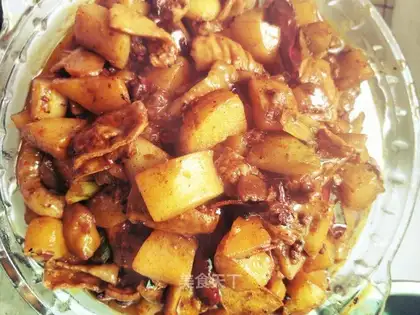
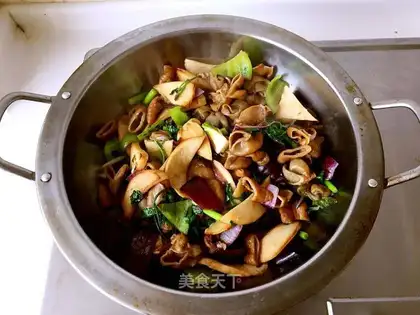
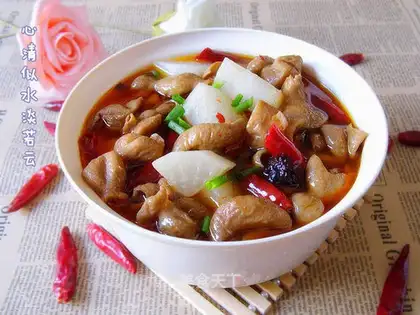
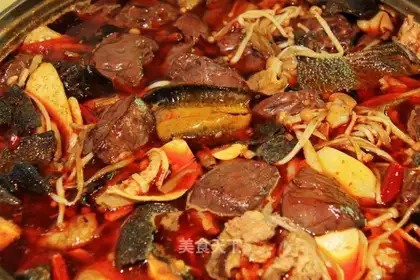
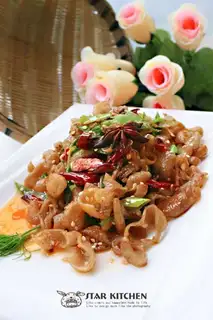
Pig intestine, a often-misunderstood yet cherished ingredient in global cuisines, has been consumed for centuries in cultures ranging from East Asia to Europe and Latin America. Revered for its unique texture, rich flavor, and versatility in dishes from spicy stir-fries to hearty stews, it also sparks debates about its nutritional value and safety. This article explores the nutritional profile of pig intestine, its potential health benefits, and important considerations for safe consumption, offering a comprehensive guide to this traditional ingredient.
Nutritional Value of Pig Intestine
Pig intestine is a nutrient-dense organ meat, distinct from muscle cuts due to its concentration of vitamins, minerals, and bioactive compounds. A 100-gram serving of cooked pig intestine (approximately half a cup) contains approximately:
- Protein: 15–17 grams, providing all essential amino acids necessary for tissue repair, immune function, and enzyme production. This makes it a valuable protein source, comparable to lean cuts of pork or chicken.
- Fat: 10–15 grams, with a mix of saturated, monounsaturated, and polyunsaturated fats. While higher in fat than lean meats, it also contains small amounts of omega-3 fatty acids, which support heart and brain health.
- Vitamins:
- Vitamin B12: 3–4 micrograms (over 100% of the Daily Value), crucial for nerve function, red blood cell formation, and DNA synthesis. Deficiency can lead to anemia and neurological issues.
- Vitamin A: 15–20% of the DV, in the form of retinol, which promotes vision, immune health, and skin integrity.
- Vitamin D: 10–15% of the DV, aiding calcium absorption and bone health.
- B Vitamins: Riboflavin (B2), niacin (B3), and cobalamin (B12) are abundant, supporting energy metabolism and nervous system function.
- Minerals:
- Iron: 2–3 milligrams (15–20% of the DV), primarily in the heme form, which is easily absorbed by the body and prevents iron-deficiency anemia.
- Zinc: 2–3 milligrams (20–25% of the DV), essential for immune function, wound healing, and DNA synthesis.
- Selenium: 20–30 micrograms (40–50% of the DV), a powerful antioxidant that protects cells from damage and supports thyroid health.
- Copper and Phosphorus: Present in smaller amounts, copper aids in iron metabolism, while phosphorus is vital for bone and teeth health.
- Collagen and Gelatin: Pig intestine is rich in connective tissues, which break down into collagen and gelatin during cooking. These compounds support joint health, gut lining integrity, and skin elasticity.
While pig intestine is high in cholesterol (200–300 mg per 100 grams), recent research suggests that dietary cholesterol has a minimal impact on blood cholesterol for most people, as the body regulates its own production. However, individuals with diabetes or cardiovascular conditions should consume it in moderation.
Health Benefits of Pig Intestine
Beyond its nutritional content, pig intestine has been traditionally used in medicine and wellness practices for its potential therapeutic effects:
1. Boosts Hemoglobin and Fights Anemia
The high heme iron content in pig intestine makes it effective in treating iron-deficiency anemia. Heme iron is absorbed 2–3 times more efficiently than non-heme iron (found in plants), making it ideal for individuals with low iron levels, such as pregnant women, adolescents, and those with chronic illnesses.
2. Supports Immune Function
Zinc and selenium in pig intestine play key roles in immune regulation. Zinc deficiency impairs immune cell function, increasing susceptibility to infections, while selenium enhances antioxidant defenses, reducing inflammation and supporting immune response.
3. Promotes Skin and Joint Health
Collagen and gelatin derived from pig intestine support skin elasticity by stimulating collagen production in the body. They also protect joint cartilage, reducing symptoms of osteoarthritis and improving mobility. Traditional Chinese medicine often uses pig intestine-based broths to nourish joints and alleviate joint pain.
4. Enhances Energy Metabolism
The B vitamins in pig intestine, particularly B12 and niacin, are critical for converting food into energy. B12 deficiency can cause fatigue, weakness, and neurological issues, making pig intestine a valuable dietary source for individuals with high energy demands, such as athletes or manual laborers.
5. Supports Gut Health
Collagen in pig intestine helps repair the gut lining, making it beneficial for individuals with leaky gut syndrome or inflammatory bowel diseases (IBD). Traditional remedies in many cultures use pig intestine soup to soothe digestive discomfort and improve gut barrier function.
Precautions and Contraindications
Despite its benefits, pig intestine is not suitable for everyone, and improper preparation can pose health risks. Key considerations include:
1. High Cholesterol and Saturated Fat
While dietary cholesterol’s impact is debated, pig intestine is high in saturated fat (3–4 grams per 100 grams), which can raise LDL (“bad”) cholesterol levels in sensitive individuals. Those with hypercholesterolemia, heart disease, or a family history of cardiovascular issues should limit intake to 1–2 times per month.
2. Risk of Contamination and Parasites
Pig intestine is a reservoir for bacteria (e.g., Salmonella, E. coli) and parasites (e.g., Taenia solium, the pork tapeworm) if not cleaned and cooked thoroughly. Improper handling can lead to food poisoning or parasitic infections. To mitigate this:
- Clean thoroughly: Rinse the intestine under cold running water, then rub with salt, vinegar, or flour to remove mucus and debris.
- Cook at high temperatures: Boil, stew, or stir-fry at 75°C (165°F) or higher to kill pathogens. Avoid undercooking, which may leave harmful bacteria alive.
3. Purine Content
Pig intestine is high in purines (150–200 mg per 100 grams), which can trigger gout flares in susceptible individuals. Gout patients or those with high uric acid levels should avoid or strictly limit consumption.
4. Sodium and Additives
Processed pig intestine products (e.g., sausages, cured intestines) often contain high levels of sodium and preservatives (e.g., nitrates), which can increase blood pressure and risk of chronic diseases. Opt for fresh intestines and prepare them at home to control sodium intake.
5. Contraindications for Specific Groups
- Pregnant and breastfeeding women: Risk of bacterial contamination and high cholesterol may outweigh benefits.
- Children: High cholesterol and fat content may not be suitable for developing bodies.
- Individuals with kidney disease: High protein and mineral content (e.g., phosphorus) can strain kidney function.
Culinary Uses and Preparation Tips
To enjoy pig intestine safely and deliciously, proper preparation is key:
1. Cleaning:
- Turn the intestine inside out and remove excess fat.
- Soak in cold water with vinegar or lemon juice for 30 minutes to eliminate odor.
- Rub with salt and flour, then rinse thoroughly.
2. Cooking Methods:
- Boiling: Parboil for 10–15 minutes with ginger, garlic, and bay leaves to tenderize and remove impurities.
- Stewing: Simmer with vegetables (e.g., carrots, celery) and herbs for a nutrient-rich soup.
- Stir-frying: Thinly sliced intestine pairs well with spicy sauces (e.g., in Sichuan malatang) or garlic and soy sauce.
3. Pairings: Balance richness with acidic ingredients (e.g., vinegar, citrus) or fibrous vegetables (e.g., bell peppers, broccoli) to aid digestion.
Conclusion
Pig intestine is a nutrient-rich ingredient with significant health benefits, from boosting iron levels to supporting joint and immune health. However, its high cholesterol, fat, and purine content, along with risks of contamination, require mindful consumption. When cleaned, cooked, and enjoyed in moderation, pig intestine can be a valuable addition to a balanced diet, bridging culinary tradition and nutritional science. As with any food, understanding its properties and individual health needs is key to reaping its benefits while minimizing risks.
In global cuisines, pig intestine remains a symbol of resourcefulness and flavor, proving that off-cuts can be as nutritious and delicious as prime cuts. By respecting its preparation and limitations, this humble ingredient continues to nourish and delight generations.