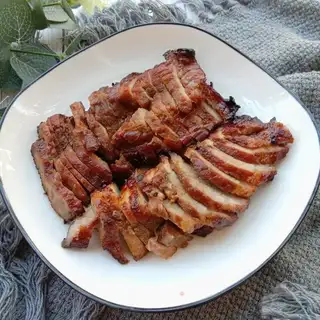
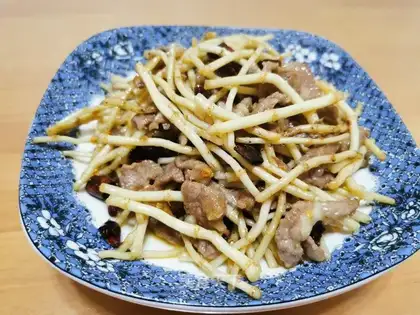
Pork, one of the most widely consumed meats globally, comes in various cuts, each with distinct culinary and nutritional profiles. Among these, pork shoulder clap (also known as pork shoulder butt or Boston butt) stands out as a versatile and flavorful option, prized for its marbling, tenderness, and adaptability to diverse cooking methods. Beyond its culinary appeal, pork shoulder clap offers a range of nutritional benefits, but it also requires mindful consumption to maximize health advantages. This article explores the nutritional composition, health benefits, and potential precautions associated with pork shoulder clap, providing a comprehensive guide for individuals seeking to incorporate it into a balanced diet.
Nutritional Value of Pork Shoulder Clap
Pork shoulder clap is derived from the upper part of the pig’s front leg, near the shoulder blade. This cut is characterized by a balanced ratio of lean meat and fat, which contributes to its rich flavor and moist texture when cooked. A 100-gram serving of cooked pork shoulder clap (without added fats) contains approximately:
- Protein: 22–25 grams
Protein is essential for muscle repair, immune function, and enzyme production. Pork shoulder clap provides all nine essential amino acids, making it a complete protein source. Its leucine content, in particular, supports muscle protein synthesis, beneficial for athletes and individuals recovering from injury.
- Fats: 14–18 grams
While pork shoulder clap is higher in fat than leaner cuts like loin, the majority consists of monounsaturated and polyunsaturated fats, including oleic acid (found in olive oil). It also contains small amounts of omega-3 fatty acids, which support heart health. However, it is important to note that saturated fat accounts for about 30–40% of total fats, emphasizing the need for moderation.
- Vitamins:
- Vitamin B1 (Thiamine): 0.6–0.8 mg (50–60% of the Daily Value, DV). Thiamine plays a critical role in energy metabolism and nerve function. Pork is one of the best dietary sources of thiamine, outperforming even some plant-based foods.
- Vitamin B6: 0.5–0.7 mg (35–50% DV). This vitamin aids in protein metabolism, red blood cell production, and neurotransmitter synthesis.
- Vitamin B12: 0.6–0.9 µg (25–35% DV). Essential for nerve health and DNA synthesis, vitamin B12 is primarily found in animal products, making pork shoulder clap a valuable source for vegetarians and vegans who occasionally consume meat.
- Niacin (Vitamin B3): 4–6 mg (25–35% DV). Niacin supports skin health, digestion, and energy production.
- Vitamin D: 0.2–0.3 µg (10–15% DV). Though not as rich as fatty fish, pork shoulder clap contributes to vitamin D intake, which is vital for bone health and immune function.
- Minerals:
- Selenium: 20–30 µg (35–50% DV). Selenium acts as an antioxidant, protecting cells from damage and supporting thyroid function.
- Zinc: 2–3 mg (20–30% DV). Zinc is crucial for immune function, wound healing, and DNA synthesis.
- Phosphorus: 150–200 mg (15–20% DV). Phosphorus works with calcium to maintain strong bones and teeth.
- Iron: 1–1.5 mg (6–8% DV). The heme iron in pork is more easily absorbed than non-heme iron from plants, making it beneficial for preventing iron deficiency anemia.
- Potassium: 300–350 mg (7–10% DV). Potassium helps regulate blood pressure and fluid balance.
- Other Nutrients:
Pork shoulder clap contains small amounts of creatine, which supports energy production during high-intensity exercise, and taurine, an amino acid that aids in bile salt formation and antioxidant defense.
Health Benefits of Pork Shoulder Clap
When consumed as part of a balanced diet, pork shoulder clap can offer several health benefits, thanks to its rich nutrient profile.
1. Supports Muscle Maintenance and Growth
The high-quality protein in pork shoulder clap provides the necessary amino acids for muscle repair and growth. This is particularly beneficial for older adults (to combat sarcopenia) and athletes seeking to enhance performance and recovery. Leucine, a branched-chain amino acid (BCAA) in pork, stimulates muscle protein synthesis, helping to preserve lean mass during weight loss or aging.
2. Enhances Energy Metabolism
Pork shoulder clap is a powerhouse of B vitamins, which play a key role in converting food into energy. Thiamine (B1) helps break down carbohydrates, while riboflavin (B2) and niacin (B3) support fat and protein metabolism. For individuals with active lifestyles, these vitamins can help optimize energy production and reduce fatigue.
3. Boosts Immune Function
The zinc and selenium in pork shoulder clap are critical for a healthy immune system. Zinc supports the development of immune cells and enhances their ability to fight infections, while selenium acts as an antioxidant, reducing oxidative stress that can weaken immune responses. A 100-gram serving of pork shoulder clap can provide a significant portion of the daily recommended intake for these minerals.
4. Promotes Brain Health
Vitamin B12, abundant in pork shoulder clap, is essential for maintaining the myelin sheath that protects nerve fibers and supports neurotransmitter function. Deficiency in B12 can lead to cognitive decline, memory loss, and nerve damage. Regular consumption of pork shoulder clap may help prevent such deficiencies, particularly in older adults.
5. Supports Red Blood Cell Production
The heme iron in pork shoulder clap is highly bioavailable, meaning the body absorbs it more efficiently than non-heme iron from plant sources. Iron is a key component of hemoglobin, which carries oxygen in the blood. Adequate iron intake helps prevent iron deficiency anemia, characterized by fatigue, weakness, and shortness of breath.
6. Contributes to Heart Health (in Moderation)
While pork shoulder clap contains saturated fat, its monounsaturated fats (similar to those in olive oil) can help lower LDL (“bad”) cholesterol when consumed as part of a low-saturated-fat diet. Additionally, the presence of taurine and omega-3 fatty acids may have cardioprotective effects, such as reducing blood pressure and inflammation. However, portion control is essential to avoid excessive saturated fat intake.
Precautions and Potential Risks
Despite its nutritional benefits, pork shoulder clap requires careful handling and moderation to minimize health risks.
1. High in Saturated Fat and Calories
Pork shoulder clap is higher in saturated fat (about 5–6 grams per 100 grams) and calories (250–300 kcal per 100 grams) than leaner cuts like pork tenderloin. Excessive saturated fat intake can raise LDL cholesterol levels, increasing the risk of heart disease. To mitigate this, trim visible fat before cooking and limit portion sizes (e.g., 100–150 grams per serving).
2. Risk of Foodborne Illness
Undercooked pork can harbor harmful bacteria such as Salmonella, E. coli, and Yersinia, as well as parasites like Trichinella. To ensure safety:
- Cook pork shoulder clap to an internal temperature of 145°F (63°C) with a 3-minute rest time.
- Avoid cross-contamination by using separate cutting boards and utensils for raw meat.
- Store pork at 40°F (4°C) or below and consume leftovers within 3–4 days.
3. Sodium Content in Processed Preparations
Pork shoulder clap is often used in processed meats (e.g., sausages, bacon) or cured with salt, which can significantly increase sodium intake. High sodium consumption is linked to hypertension and cardiovascular disease. Opt for fresh, unseasoned pork shoulder clap and limit added salt during cooking.
4. Purine Content for Gout Patients
Pork shoulder clap contains moderate to high levels of purines, which can trigger gout attacks in susceptible individuals. Gout is a form of arthritis caused by excessive uric acid buildup. Those with gout should limit pork shoulder clap or avoid it during flare-ups.
5. Environmental and Ethical Considerations
While not a direct health risk, the production of pork has environmental impacts, including greenhouse gas emissions and water usage. Choosing sustainably sourced pork (e.g., from farms with ethical practices) can reduce these effects.
Conclusion
Pork shoulder clap is a nutrient-dense meat that offers a wide range of health benefits, from supporting muscle growth to enhancing immune function. Its rich content of high-quality protein, B vitamins, and essential minerals makes it a valuable addition to a balanced diet. However, moderation is key—due to its saturated fat and calorie content, it should be consumed in appropriate portions and prepared safely to avoid health risks. By choosing fresh, lean cuts and cooking methods that minimize added fats (e.g., grilling, roasting, or slow-cooking with herbs), individuals can enjoy the delicious flavor and nutritional advantages of pork shoulder clap while maintaining overall health. As with any food, mindful consumption ensures that its benefits are maximized, and potential risks are minimized.