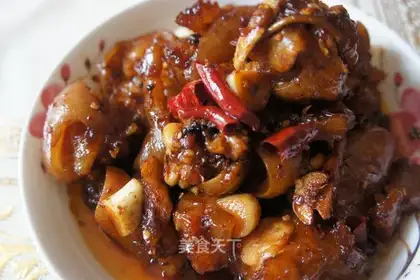
Beef trotters, often overlooked in mainstream Western cuisine but celebrated in culinary traditions across Asia, Europe, and Latin America, are the lower legs of cattle, comprising bones, skin, tendons, cartilage, and a small amount of muscle. Once considered a "poor man’s food," these humble cuts have experienced a renaissance in recent years, prized not only for their rich, gelatinous texture but also for their impressive nutritional profile and potential health benefits. From supporting joint health to enhancing skin vitality, beef trotters offer a unique combination of nutrients that make them a valuable addition to a balanced diet. However, like any ingredient, they must be consumed with awareness of potential risks and precautions. This article explores the nutritional value of beef trotters, their key health benefits, and important considerations for safe consumption.
I. Nutritional Value of Beef Trotters
Beef trotters are a nutritional powerhouse, packed with high-quality protein, essential amino acids, collagen, and a range of vitamins and minerals. Their composition sets them apart from other cuts of meat, which are typically richer in muscle fat and protein but lower in connective tissue.
1. High in Collagen and Gelatin
The most notable feature of beef trotters is their collagen content. Collagen is a structural protein that makes up about 30% of the protein in the human body, found in skin, bones, tendons, and ligaments. When slow-cooked, collagen breaks down into gelatin, a substance that gives trotters their signature sticky, gel-like texture. A 100-gram serving of boiled beef trotters contains approximately 25–30 grams of collagen, making them one of the richest dietary sources of this protein. Collagen is also a source of essential amino acids, particularly glycine, proline, and hydroxyproline, which are vital for synthesizing collagen in the body.
2. Excellent Source of Protein
While not as protein-dense as lean cuts like sirloin, beef trotters still provide a substantial amount of high-quality protein. A 100-gram serving offers about 20–25 grams of protein, depending on the cooking method. Protein is essential for muscle repair, immune function, and the production of enzymes and hormones. The protein in trotters is "complete," meaning it contains all nine essential amino acids that the body cannot produce on its own.
3. Rich in Minerals
Beef trotters are a concentrated source of minerals, particularly those found in bones and connective tissue. Key minerals include:
- Calcium: While not as calcium-rich as dairy products, the bones in trotters release calcium during slow cooking, providing a bioavailable source of this mineral, which is critical for bone health.
- Phosphorus: Works in tandem with calcium to support bone and teeth formation, as well as energy metabolism.
- Magnesium: Supports muscle and nerve function, blood sugar control, and blood pressure regulation.
- Iron: Essential for the production of hemoglobin, which carries oxygen in the blood. The heme iron in animal sources like beef trotters is more easily absorbed than non-heme iron from plants.
- Zinc: Boosts immune function, aids in wound healing, and supports DNA synthesis.
4. Low in Fat and Calories
Compared to fattier cuts of beef, such as ribeye or brisket, beef trotters are relatively low in fat and calories. A 100-gram serving of boiled trotters contains about 5–8 grams of fat, most of which is unsaturated (heart-healthy) fat. This makes them a suitable option for those looking to manage weight or reduce saturated fat intake, provided they are cooked without added fats.
II. Health Benefits of Beef Trotters
The unique nutritional profile of beef trotters translates to a range of health benefits, particularly for joint health, skin elasticity, digestion, and overall wellness.
1. Supports Joint Health and Reduces Arthritis Symptoms
Collagen and gelatin are well-known for their role in maintaining joint health. As we age, the body’s natural collagen production declines, leading to joint stiffness, pain, and conditions like osteoarthritis. Studies suggest that consuming collagen-rich foods may help reduce joint pain and improve mobility by stimulating the body’s own collagen synthesis. A 2017 study published in Nutrition Journal found that participants with osteoarthritis who took collagen supplements reported significant reductions in pain and stiffness, similar effects are observed with collagen-rich foods like beef trotters. The amino acids in collagen also help repair cartilage, the flexible tissue that cushions joints.
2. Enhances Skin Health and Anti-Aging
Skin is the body’s largest organ and is composed primarily of collagen. Collagen provides skin with its structure, elasticity, and hydration. As collagen levels decrease with age, skin becomes prone to wrinkles, sagging, and dryness. The collagen and gelatin in beef trotters can help counteract this by promoting skin hydration and elasticity. A 2019 study in Journal of Cosmetic Dermatology found that collagen supplementation improved skin hydration, elasticity, and roughness in women over 50. While direct studies on beef trotters are limited, their high collagen content suggests similar benefits when consumed as part of a balanced diet.
3. Aids Digestive Health
Gelatin derived from collagen has been shown to support digestive health in several ways. It helps maintain the integrity of the intestinal lining, which is crucial for preventing "leaky gut" syndrome (a condition where undigested food particles and toxins pass through the gut wall into the bloodstream). Gelatin also stimulates the production of stomach acid, which aids in the breakdown of food and nutrient absorption. Additionally, it can help soothe the digestive tract and reduce symptoms of conditions like irritable bowel syndrome (IBS) and acid reflux.
4. Promotes Bone Strength
The combination of calcium, phosphorus, and collagen in beef trotters makes them beneficial for bone health. Calcium and phosphorus are the primary minerals in bones, providing rigidity and strength. Collagen, on the other hand, forms a flexible framework that allows bones to withstand stress without breaking. A diet rich in these nutrients can help prevent osteoporosis, a condition characterized by weak and brittle bones. While dairy products are often the first choice for bone health, collagen-rich foods like beef trotters offer a complementary source of minerals and protein that support bone density.
5. Boosts Immune Function
The amino acids in collagen, particularly glycine and arginine, play a key role in immune function. Glycine helps reduce inflammation, a major contributor to chronic diseases and immune dysfunction. Arginine supports the production of nitric oxide, a molecule that enhances blood flow and immune cell activity. Additionally, the zinc in beef trotters is essential for the development and function of immune cells, such as neutrophils and natural killer cells, which help the body fight infections.
III. Precautions and Potential Risks
While beef trotters offer numerous health benefits, there are important precautions to consider to ensure safe consumption.
1. High Cholesterol Content
Beef trotters are relatively high in cholesterol, with a 100-gram serving containing approximately 100–150 milligrams. For most people, dietary cholesterol has a minimal impact on blood cholesterol levels, as the body regulates its own cholesterol production. However, individuals with hypercholesterolemia (high cholesterol), heart disease, or those at risk of cardiovascular issues should consume beef trotters in moderation. The American Heart Association recommends limiting dietary cholesterol to 300 milligrams per day for most adults, so a single serving of trotters could meet or exceed this limit.
2. Sodium Content in Prepared Dishes
Many traditional recipes for beef trotters involve long simmering with salt, soy sauce, or other high-sodium ingredients to enhance flavor. Excessive sodium intake is linked to high blood pressure, an increased risk of heart disease, and stroke. To reduce sodium content, cook trotters with minimal salt, use herbs and spices for flavor, and avoid pre-packaged broths or sauces.
3. Risk of Contaminants
As with any animal product, there is a risk of contamination with bacteria such as E. coli or Salmonella if not handled or cooked properly. Beef trotters should be purchased from reputable sources, stored at or below 40°F (4°C), and cooked thoroughly to an internal temperature of 160°F (71°C) to kill harmful bacteria. Additionally, the bones in trotters can pose a choking hazard for young children or individuals with dental issues, so they should be served carefully, with bones removed if necessary.
4. Purine Content and Gout Risk
Beef trotters are high in purines, natural compounds found in animal tissues that break down into uric acid in the body. High levels of uric acid can lead to gout, a painful form of arthritis characterized by joint inflammation. Individuals with gout or a history of kidney stones (which can also be caused by high uric acid) should limit their intake of purine-rich foods like beef trotters. The National Institutes of Health (NIH) recommends that people with gout limit purine intake to 100–150 milligrams per day, and a single serving of trotters may exceed this.
5. Environmental and Ethical Considerations
While not a direct health risk, the environmental and ethical impact of beef production is worth noting. Livestock farming contributes to greenhouse gas emissions, deforestation, and water pollution. Choosing beef from sustainable, grass-fed sources or reducing overall consumption of animal products can help mitigate these impacts. Additionally, animal welfare should be a consideration, so opt for beef from farms that prioritize humane treatment practices.
IV. Culinary Uses and Preparation Tips
To fully enjoy the nutritional benefits of beef trotters, proper preparation is key. Here are some popular culinary methods and tips:
1. Slow Cooking
Slow cooking is the most common method for preparing beef trotters, as it breaks down collagen and gelatin, resulting in a tender, flavorful dish. Methods include braising, stewing, or using a slow cooker. A classic recipe involves simmering trotters with aromatics like onions, garlic, and ginger, along with soy sauce, star anise, and cinnamon for added flavor.
2. Broths and Soups
Beef trotters are a key ingredient in rich, collagenous broths and soups, such as Vietnamese phở or Chinese niu tang (beef tendon soup). These dishes are not only delicious but also highly nutritious, as the slow cooking process extracts minerals and collagen into the broth.
3. Stews and Curries
In many cultures, beef trotters are used in hearty stews and curries, where their gelatinous texture adds body to the dish. For example, in Mexican cuisine, tacos de patitas (trotter tacos) are a popular street food, with tender, slow-cooked trotters served in corn tortillas with salsa and onions.
4. Pickling
In some regions, beef trotters are pickled and served as a cold appetizer. This method preserves the meat and gives it a tangy flavor, though it often involves high levels of sodium, so it should be consumed in moderation.
V. Conclusion
Beef trotters are a nutrient-dense ingredient that offers a range of health benefits, from supporting joint and skin health to aiding digestion and boosting immunity. Their high collagen content, combined with essential minerals and low fat, makes them a valuable addition to a balanced diet. However, it is important to consume them in moderation, particularly for individuals with high cholesterol, gout, or heart disease, and to prepare them in a way that minimizes sodium and bacterial risks.
As culinary trends continue to embrace nose-to-tail eating, beef trotters are likely to gain even more popularity for their unique flavor and nutritional profile. By understanding their benefits and precautions, consumers can enjoy this humble cut as a delicious and healthful part of their diet. Whether simmered in a rich broth, stewed with spices, or pickled for a tangy treat, beef trotters prove that even the most overlooked ingredients can offer exceptional value for both body and palate.