Beef liver, often called "nature’s multivitamin," has been a prized ingredient in traditional cuisines worldwide for centuries. Revered for its rich nutrient profile and distinct, robust flavor, this organ meat stands out as one of the most nutrient-dense foods available. While modern diets have increasingly favored muscle meats, beef liver remains a nutritional powerhouse, offering an unparalleled concentration of vitamins, minerals, and bioactive compounds. However, its consumption is not without considerations, as certain groups must exercise caution. This article explores the nutritional value of beef liver, its health benefits, and the important precautions to keep in mind when incorporating it into your diet.
I. Nutritional Profile: A Concentrated Source of Essential Nutrients
Beef liver’s nutritional superiority lies in its exceptional density of both macronutrients and micronutrients, many of which are more abundant in liver than in any other food. A 100-gram serving of cooked beef liver (approximately 3.5 ounces) provides approximately 135 calories, 26 grams of protein, and 4 grams of fat, making it a lean, high-protein option. However, its true value lies in its micronutrient content.
1. Vitamins: The Multivitamin in Meat Form
Vitamin A is the most standout nutrient in beef liver. A single 100-gram serving contains a staggering 658 micrograms (mcg) of retinol activity equivalents (RAE), which is over 700% of the daily recommended intake for adults. This pre-formed vitamin A is highly bioavailable, meaning the body can absorb and utilize it efficiently. Unlike plant-based sources (like beta-carotene), which require conversion, retinol from liver directly supports vision, immune function, and skin health.
B vitamins are another highlight, with beef liver being one of the best dietary sources of vitamin B12, a nutrient critical for nerve function, DNA synthesis, and red blood cell production. A 100-gram serving provides 60 micrograms (mcg) of B12, exceeding the daily requirement by 2,000%. It is also rich in riboflavin (B2), niacin (B3), folate (B9), and vitamin B6, all of which play key roles in energy metabolism, brain health, and cardiovascular function.
Other notable vitamins include vitamin D (in smaller but significant amounts), vitamin E, and vitamin K2, which promotes bone health by aiding calcium absorption.
2. Minerals: Essential for Bodily Functions
Beef liver is a mineral powerhouse, particularly rich in heme iron—the form of iron found in animal products, which is absorbed 2–3 times more efficiently than non-heme iron from plants. A 100-gram serving contains 4.9 mg of iron, meeting nearly 30% of the daily requirement for women and 60% for men. This makes it a potent food for preventing iron deficiency anemia.
It is also an excellent source of zinc (4 mg per serving), which supports immune function, wound healing, and testosterone production. Copper, another trace mineral abundant in liver (3,830 mcg per serving), works in tandem with iron to form red blood cells and supports antioxidant defense. Additionally, beef liver provides phosphorus, selenium, and potassium, all of which are vital for bone health, thyroid function, and fluid balance.
3. Protein and Bioactive Compounds
As a complete protein source, beef liver contains all nine essential amino acids in optimal proportions, making it ideal for muscle repair and growth. It also contains coenzyme Q10 (CoQ10), an antioxidant that supports cellular energy production, and choline, a nutrient critical for brain development and liver health.
II. Health Benefits: Why Beef Liver Is Considered a Superfood
The dense nutrient profile of beef liver translates into a wide range of health benefits, from combating nutrient deficiencies to supporting long-term wellness.
1. Combats Nutrient Deficiencies
In an era where processed foods dominate diets, deficiencies in key nutrients like vitamin A, B12, and iron are common. Beef liver’s high bioavailability makes it an effective remedy for such deficiencies. For example, vitamin A deficiency, which can lead to night blindness and weakened immunity, is rapidly addressed by regular liver consumption. Similarly, its B12 content makes it invaluable for vegans or vegetarians who avoid animal products, as B12 is almost exclusively found in animal-based foods.
2. Supports Vision and Skin Health
Vitamin A is essential for maintaining healthy vision, particularly in low-light conditions, and for preventing age-related macular degeneration. It also promotes skin cell turnover, reduces inflammation, and supports collagen production, helping to maintain youthful, resilient skin. The combination of vitamin A and E in liver also provides antioxidant protection against UV damage and environmental pollutants.
3. Boosts Energy and Metabolism
The B vitamins in beef liver act as cofactors in energy-producing metabolic pathways. For instance, vitamin B12 helps convert food into glucose, the body’s primary energy source, while riboflavin and niacin support mitochondrial function—the "powerhouses" of cells. Individuals with fatigue or slow metabolism may benefit from incorporating liver into their diets to optimize energy production.
4. Enhances Immune Function
Zinc, vitamin A, and vitamin C (present in smaller amounts in liver) are all critical for a robust immune system. Zinc supports the development of immune cells, while vitamin A maintains the integrity of mucosal barriers (such as those in the respiratory and digestive tracts), preventing pathogens from entering the body. Studies have shown that adequate vitamin A intake reduces the severity and duration of infections like measles and diarrhea.
5. Promotes Brain Health and Cognitive Function
Choline, often called the "smart nutrient," is abundant in beef liver and is a precursor to acetylcholine, a neurotransmitter involved in memory, mood, and muscle control. Adequate choline intake during pregnancy is particularly important for fetal brain development, while in adults, it may help prevent age-related cognitive decline. Additionally, B vitamins like B6 and B12 reduce homocysteine levels, an amino acid linked to neurodegenerative diseases like Alzheimer’s.
6. Supports Detoxification and Liver Health
Contrary to the misconception that eating liver "overloads" the liver, beef liver contains nutrients that support the body’s natural detoxification processes. It is rich in copper, which activates enzymes involved in antioxidant defense, and folate, which aids in the methylation process—a key detoxification pathway. The choline in liver also helps prevent fat accumulation in the liver, promoting overall liver function.
III. Precautions and Considerations: Who Should Limit or Avoid Beef Liver?
While beef liver offers numerous health benefits, its nutrient density also means it should be consumed in moderation, especially by certain populations. Overconsumption can lead to nutrient imbalances or adverse effects, particularly for fat-soluble vitamins, which accumulate in the body.
1. Vitamin A Toxicity (Hypervitaminosis A)
The most significant risk of excessive beef liver intake is vitamin A toxicity. Since vitamin A is fat-soluble, excess amounts are stored in the liver and can build up over time, leading to symptoms such as nausea, dizziness, headache, and, in severe cases, liver damage or birth defects. The tolerable upper intake level (UL) for vitamin A is 3,000 mcg RAE per day for adults. A single 100-gram serving of beef liver provides over 600 mcg RAE, so consuming it daily or in very large quantities (e.g., more than 200 grams per week) can exceed safe limits. Pregnant women should be particularly cautious, as excessive vitamin A intake is linked to congenital disabilities.
2. Purine Content and Gout
Beef liver is high in purines, natural compounds that break down into uric acid in the body. For individuals with gout or a history of kidney stones, high purine intake can trigger painful gout attacks or exacerbate kidney problems. Such individuals should limit liver consumption to occasional small servings (e.g., once a month).
3. Cholesterol and Heart Health
Though beef liver contains about 350 mg of cholesterol per 100-gram serving—significantly higher than muscle meats—research shows that dietary cholesterol has a minimal impact on blood cholesterol levels for most people. The body regulates its own cholesterol production, and for many, the saturated fat in liver (about 2 grams per serving) has a greater effect on blood lipids. However, individuals with hypercholesterolemia or heart disease should consult a healthcare provider before including liver in their diet.
4. Contaminant and Hormone Concerns
As the liver acts as the body’s detoxification organ, it may accumulate environmental toxins, pesticides, or hormones if the animal was not raised organically. To minimize risk, choose grass-fed, organic beef liver from reputable sources, as these are less likely to contain antibiotics, hormones, or industrial pollutants.
5. Safe Consumption Guidelines
For most healthy adults, consuming beef liver 1–2 times per week (in portions of 50–100 grams per serving) is safe and beneficial. Cooking methods also matter: pan-frying, grilling, or baking are preferable to deep-frying, which adds unhealthy fats. Overcooking can destroy heat-sensitive vitamins like B12 and vitamin C, so gentle cooking is recommended.
IV. Culinary Uses: Incorporating Beef Liver into a Balanced Diet
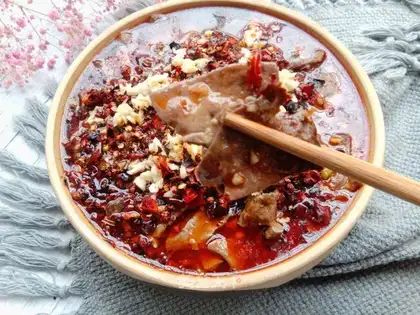
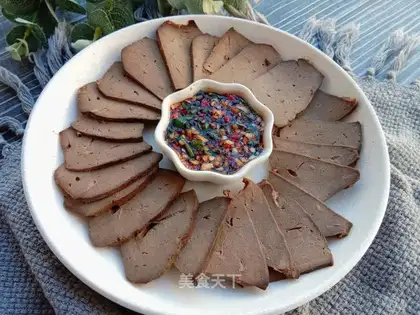
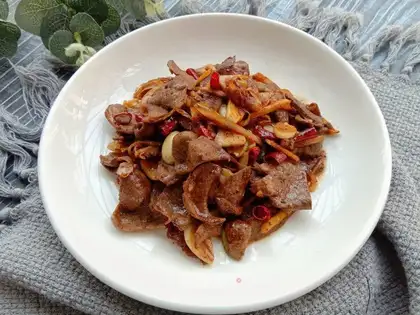
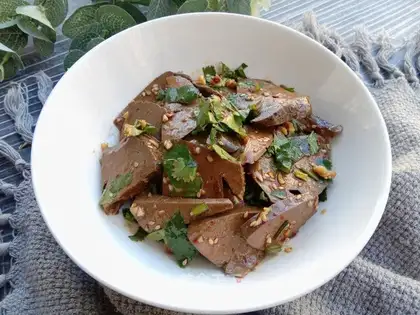
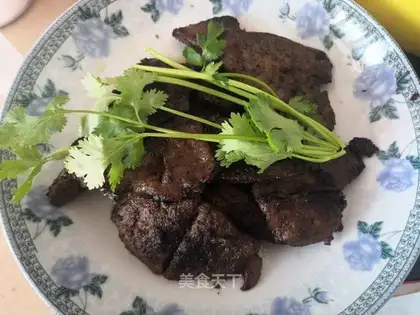
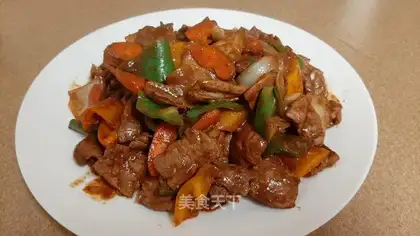
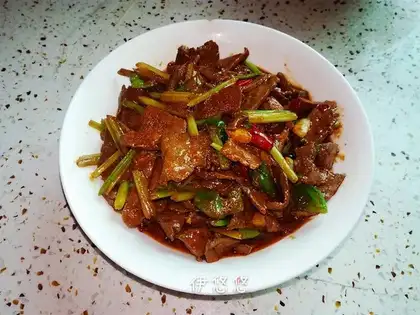
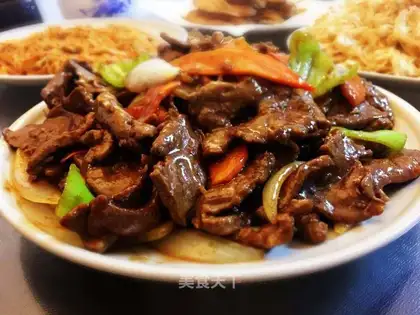
Beef liver’s strong, earthy flavor can be an acquired taste, but there are many ways to prepare it to make it palatable. Traditional dishes include liver and onions (a classic comfort food in many cultures), pâté, and liverwurst. For milder flavor, soak the liver in milk or buttermilk for 1–2 hours before cooking to reduce bitterness. It can also be finely chopped and added to ground meat dishes (like burgers or meatballs) for a nutrient boost without overpowering the flavor.
For those who dislike the taste, beef liver supplements (in capsule or powder form) are available, but whole liver is generally preferable, as it provides a more complete nutrient profile, including protein and minerals that may be absent in supplements.
Conclusion
Beef liver is a nutritional treasure trove, offering unparalleled concentrations of vitamins, minerals, and bioactive compounds that support overall health. From combating deficiencies and boosting energy to enhancing immune and brain function, its benefits are backed by both traditional wisdom and modern science. However, its nutrient density also demands moderation, particularly for vulnerable groups like pregnant women or those with gout. By choosing high-quality liver, consuming it in appropriate portions, and preparing it thoughtfully, individuals can harness its power while minimizing risks. In a world where nutrient-poor foods are ubiquitous, beef liver stands as a reminder that nature’s most nutrient-dense foods can also be some of the most beneficial for human health.