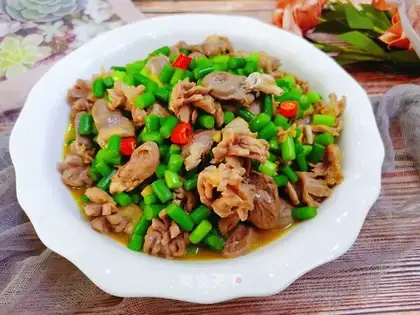
In the realm of offal or organ meats, chicken hearts often stand in the shadow of more familiar cuts like chicken breast or thighs. Yet these small, muscular organs are nutritional titans, packed with protein, vitamins, and minerals that offer unique health benefits. Revered in culinary traditions worldwide—from Brazilian churrasco skewers to Asian stir-fries—chicken hearts are making a comeback as a sustainable, nutrient-dense ingredient. This article explores their nutritional profile, evidence-based health benefits, and important considerations for safe consumption.
Nutritional Profile: Why Chicken Hearts Are a Nutrient Dense Superfood
Chicken hearts are small in size—typically weighing 1-2 ounces each—but their nutritional value is disproportionate to their size. A 3-ounce (85-gram) serving of cooked chicken hearts contains approximately:
- Protein: 22 grams, providing all nine essential amino acids (lysine, methionine, valine, etc.), making it a complete protein source ideal for muscle repair, growth, and satiety. This rivals the protein content of chicken breast (24 grams per 3 ounces) but with added micronutrients.
- Vitamins: They are exceptionally rich in B vitamins, which play critical roles in energy metabolism and neurological function. Notably, a 3-ounce serving provides:
- Vitamin B12: 6.9 micrograms (287% of the Daily Value, DV), essential for red blood cell formation, nerve function, and DNA synthesis.
- Riboflavin (B2): 0.4 milligrams (31% DV), which supports energy production and antioxidant defense.
- Niacin (B3): 4.5 milligrams (28% DV), vital for converting food into energy and maintaining skin health.
- Pantothenic acid (B5): 1.5 milligrams (30% DV), involved in hormone synthesis and stress response.
Additionally, chicken hearts contain vitamin A (in the form of retinol, important for vision and immune function) and vitamin D (in smaller amounts, though levels vary based on the chicken’s diet).
- Minerals: These organs are a concentrated source of highly bioavailable minerals:
- Iron: 4.4 milligrams (24% DV), primarily in the heme form (easily absorbed by the body, unlike non-heme iron from plants), crucial for preventing iron-deficiency anemia.
- Zinc: 3.6 milligrams (33% DV), which supports immune function, wound healing, and DNA synthesis.
- Selenium: 22 micrograms (40% DV), a powerful antioxidant that protects cells from damage and supports thyroid health.
- Phosphorus: 200 milligrams (20% DV), essential for bone health and energy production.
- Copper: 0.2 milligrams (22% DV), which aids in iron metabolism and collagen formation.
- Fats and Cholesterol: Chicken hearts are relatively lean, with about 5 grams of fat per 3-ounce serving, mostly heart-healthy monounsaturated and polyunsaturated fats (e.g., oleic acid). They do contain dietary cholesterol (about 170 milligrams per 3 ounces), but modern research shows that dietary cholesterol has minimal impact on blood cholesterol levels for most people (saturated and trans fats have a far greater effect).
- Bioactive Compounds: They contain coenzyme Q10 (CoQ10), an antioxidant that supports cellular energy production and heart health, and taurine, an amino acid that regulates blood pressure, reduces inflammation, and supports cardiovascular function.
Health Benefits: Beyond Nutrition
The nutrient density of chicken hearts translates to a range of health benefits, backed by scientific evidence and traditional use.
1. Supports Muscle Growth and Repair
As a complete protein source, chicken hearts provide the building blocks (amino acids) for muscle synthesis. This makes them particularly valuable for athletes, older adults (to combat age-related muscle loss, or sarcopenia), and individuals recovering from injury. Leucine, an amino acid abundant in chicken hearts, activates the mTOR pathway, a key regulator of muscle protein synthesis. A 2020 study in Nutrients highlighted that high-quality protein sources like organ meats can enhance muscle recovery more effectively than plant-based proteins for some individuals.
2. Boosts Energy Metabolism and Reduces Fatigue
The B vitamins in chicken hearts are critical for converting carbohydrates, fats, and proteins into usable energy. Vitamin B12, in particular, is essential for the production of red blood cells, which carry oxygen to tissues—oxygen deficiency is a common cause of fatigue. Individuals with B12 deficiency (common in vegetarians, vegans, or older adults) often experience weakness and lethargy, making chicken hearts a potent dietary remedy. A 2019 review in The Journal of Nutrition linked adequate B12 intake to improved energy levels and reduced symptoms of chronic fatigue syndrome.
3. Enhances Immune Function
Chicken hearts are a powerhouse of immune-supporting nutrients:
- Zinc: Deficiency impairs immune cell function (e.g., T-cell and natural killer cell activity), increasing susceptibility to infections. A 3-ounce serving of chicken hearts provides over 30% of the DV for zinc.
- Selenium: Acts as an antioxidant in immune cells, protecting them from oxidative stress. Studies show that selenium supplementation reduces the severity of viral infections, such as influenza.
- Vitamin A: Maintains the integrity of mucosal barriers (e.g., in the respiratory and digestive tracts), the body’s first line of defense against pathogens.
Traditional medicine has long recognized the immune-boosting properties of organ meats; in many cultures, chicken heart soup is a staple during illness or recovery.
4. Promotes Heart Health
Despite their cholesterol content, chicken heart nutrients actually support cardiovascular health:
- Taurine: Lowers blood pressure by inhibiting angiotensin-converting enzyme (ACE) and reducing oxidative stress in blood vessels. A 2018 study in Hypertension found that individuals with higher taurine intake had a 22% lower risk of coronary heart disease.
- CoQ10: Protects heart cells from oxidative damage and improves energy production in cardiac muscle. Research suggests CoQ10 supplementation may reduce symptoms of heart failure and lower blood pressure.
- Choline: Though not as abundant as in liver, chicken hearts contain choline, which reduces homocysteine levels (an amino acid linked to inflammation and heart disease when elevated).
5. Supports Brain Health and Cognitive Function
B vitamins, particularly B12 and B6, are vital for brain health. B12 deficiency is associated with memory loss, depression, and even dementia, as it helps maintain the myelin sheath that protects nerve fibers. A 2021 study in Neurology found that older adults with high B12 levels had better cognitive function and a slower rate of brain atrophy. Chicken hearts also contain iron, which supplies oxygen to the brain—iron deficiency is a leading cause of cognitive impairment in children and adults.
6. Contributes to Healthy Skin, Hair, and Nails
The combination of B vitamins (niacin, riboflavin), zinc, and protein supports skin and tissue repair. Niacin, in particular, improves skin barrier function and reduces inflammation, making it beneficial for conditions like acne or eczema. Zinc accelerates wound healing and regulates sebum production, while protein provides the structural framework for collagen and keratin—key components of skin, hair, and nails.
Culinary Uses and Preparation Tips
Chicken hearts are versatile in the kitchen, but proper preparation is key to maximizing their flavor and nutritional benefits. Here are popular methods:
- Grilling or Skewering: In Brazil, churrasco skewers of marinated chicken hearts (with garlic, lime, and olive oil) are a staple. Grilling caramelizes the exterior while keeping the interior tender.
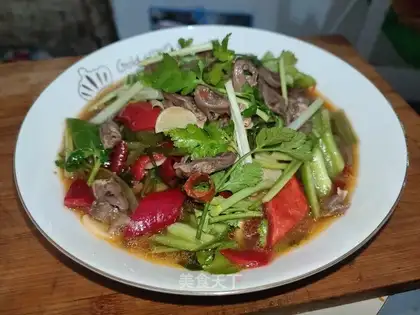
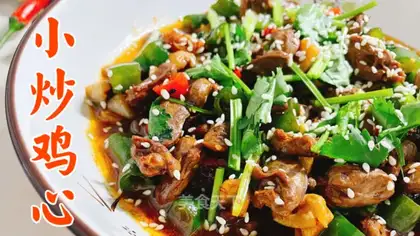
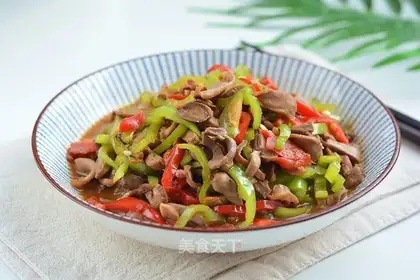
- Stir-frying: Common in Asian cuisine, chicken hearts can be stir-fried with vegetables (e.g., bell peppers, onions) and soy sauce for a quick, nutrient-rich meal.
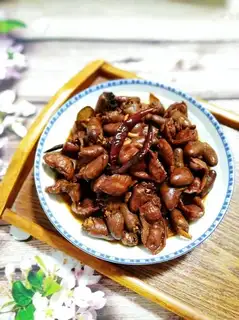
- Stewing: Slow cooking with herbs (thyme, rosemary) and vegetables breaks down the connective tissue, making them tender and flavorful.
- Pâté or Terrine: Blended with herbs and spices, chicken hearts can be made into a nutrient-dense pâté, similar to liver pâté but milder in flavor.
Important Preparation Tips:
- Clean thoroughly: Remove the fatty deposits and the white "atria" (upper chambers) to improve texture.
- Do not overcook: Overcooking makes chicken hearts tough; cook until just pink in the center (internal temperature of 165°F/74°C).
- Marinate: Soaking in acidic marinades (lemon juice, vinegar) or dairy (buttermilk) for 30 minutes reduces any "gamey" flavor.
Precautions and Who Should Limit Consumption
While chicken hearts are highly nutritious, there are important considerations for safe consumption:
1. Moderation is Key
Like all organ meats, chicken hearts are rich in purines (compounds broken down into uric acid). Excessive purine intake can trigger gout or worsen kidney stones in susceptible individuals. A 2022 study in Arthritis & Rheumatology recommended limiting organ meat intake to 1-2 servings per week for individuals with a history of gout.
2. Cholesterol Concerns (For Some)
Although dietary cholesterol has minimal impact on most people’s blood cholesterol, individuals with familial hypercholesterolemia (a genetic condition causing high LDL cholesterol) may need to limit intake. The American Heart Association suggests that for most people, dietary cholesterol should not exceed 300 milligrams per day; a 3-ounce serving of chicken hearts provides ~170 milligrams, so it can fit into a balanced diet in moderation.
3. Food Safety
Chicken hearts, like all poultry products, carry a risk of bacterial contamination (e.g., Salmonella, Campylobacter). To minimize risk:
- Buy fresh, high-quality hearts from reputable sources.
- Store at 40°F (4°C) or below and use within 1-2 days of purchase.
- Cook to an internal temperature of 165°F (74°C).
- Avoid cross-contamination: Use separate cutting boards and utensils for raw chicken.
4. Specific Populations
- Pregnant Women: Organ meats can contain high levels of vitamin A, which is teratogenic in excessive amounts. The World Health Organization recommends limiting liver and organ meat intake during pregnancy to avoid vitamin A toxicity (chicken hearts contain less vitamin A than liver, but moderation is still advised).
- Children: Chicken hearts are a nutritious food for children due to their protein and iron content, but portion sizes should be smaller (e.g., 1-2 hearts per serving) to avoid excessive purine or vitamin A intake.
Sustainability and Ethical Considerations
Beyond nutrition, chicken hearts align with sustainable eating practices. Offal utilization reduces food waste—approximately 15% of a chicken is offal, which is often discarded in industrial farming. By using chicken hearts, consumers support "nose-to-tail" eating, which maximizes the resources invested in raising the animal. Additionally, organ meats are often more affordable than muscle cuts, making them an accessible option for budget-conscious shoppers.
Conclusion
Chicken hearts are a nutritional powerhouse, offering a concentrated dose of protein, B vitamins, iron, zinc, and bioactive compounds that support muscle growth, energy metabolism, immune function, heart health, and cognitive function. Their versatility in the kitchen—from skewers to stir-fries—makes them an easy addition to a balanced diet. While precautions exist (moderation for gout sufferers, safe handling practices), the benefits of incorporating chicken hearts into one’s diet are substantial. As interest in sustainable, nutrient-dense foods grows, these humble organs are rightfully reclaiming their place as a staple of healthy eating. Whether you’re an athlete, an older adult, or simply someone looking to diversify their diet, chicken hearts offer a compelling blend of flavor, nutrition, and environmental responsibility.