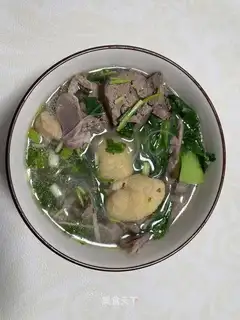
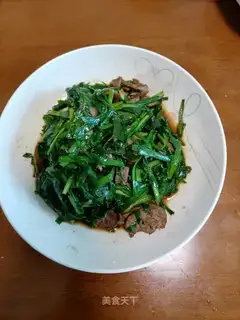
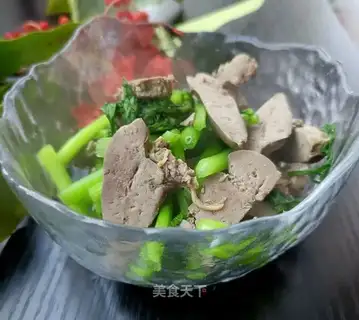
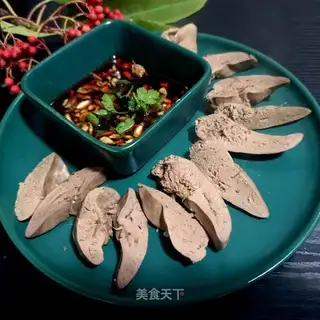
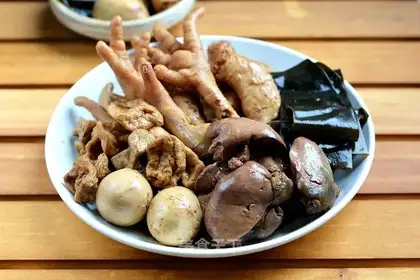
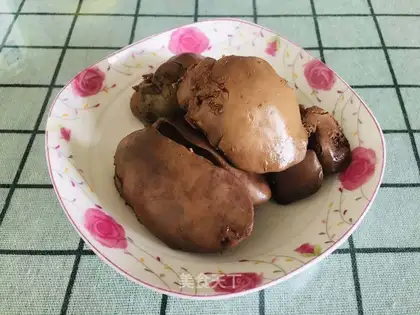
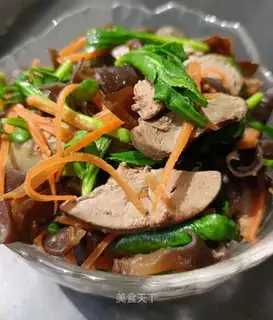
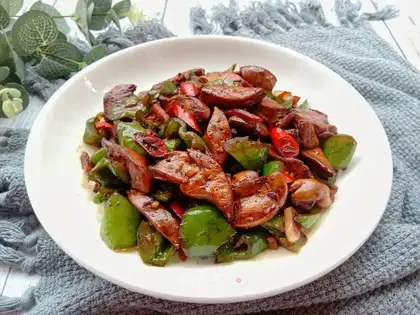
Chicken liver, often overlooked in favor of muscle meats, is a nutritional dynamite packed with essential vitamins, minerals, and bioactive compounds. Revered in culinary traditions worldwide—from French pâté to West African pepper soup—this organ meat offers unparalleled health benefits when consumed in moderation. However, its rich nutrient profile also demands caution, particularly for certain populations. This article explores the nutritional value of chicken liver, its evidence-based health benefits, and important dietary considerations to maximize its benefits while minimizing risks.
Nutritional Profile: Why Chicken Liver Stands Out
Chicken liver belongs to the category of offal, or organ meats, which are nutritional concentrated sources. A 100-gram serving of cooked chicken liver (approximately 3.5 ounces) provides an impressive array of nutrients, far exceeding many common foods in terms of density per calorie.
Vitamins: A Potent Source of Micronutrients
Vitamins are where chicken liver truly shines, particularly fat-soluble vitamins (A, D, E, K) and B vitamins.
- Vitamin A: Chicken liver is one of the richest dietary sources of preformed vitamin A (retinol). A 100-gram serving contains approximately 6,582 micrograms (mcg) of retinol activity equivalents (RAE), which is over 700% of the daily recommended intake (DRI) for adults. Vitamin A is critical for vision (maintaining the cornea and retina), immune function (supporting mucosal barriers and immune cell activity), and cell growth (regulating DNA synthesis and differentiation).
- B Vitamins: The liver is a primary storage site for B vitamins, which play key roles in energy metabolism and neurological health. A 100-gram serving of chicken liver provides:
- Vitamin B12 (Cobalamin): 3.4 mcg, or over 1,400% of the DRI. B12 is essential for nerve function, DNA synthesis, and the formation of red blood cells; deficiency can lead to anemia and neurological damage.
- Riboflavin (B2): 2.3 mg, or 177% of the DRI. Riboflavin helps convert food into energy, supports skin and eye health, and acts as an antioxidant.
- Niacin (B3): 14.8 mg, or 92% of the DRI. Niacin is vital for energy production, DNA repair, and cholesterol regulation.
- Folate (B9): 518 mcg, or 130% of the DRI. Folate is critical for cell division, making it especially important during pregnancy (to prevent neural tube defects) and for rapid growth in children.
- Vitamin D: Chicken liver contains small but significant amounts of vitamin D (about 1.1 mcg per 100 grams), which supports calcium absorption, bone health, and immune function. While not as rich as fatty fish, it contributes to overall vitamin D intake, particularly for people with limited sun exposure.
Minerals: Essential for Bodily Functions
Chicken liver is also a powerhouse of minerals, many of which are lacking in modern diets.
- Iron: A 100-gram serving provides 11.8 mg of iron, or 65% of the DRI for women and 147% for men. This is "heme iron," the form most easily absorbed by the body (15–35% absorption, compared to 2–20% for non-heme iron from plants). Heme iron is crucial for preventing iron-deficiency anemia, which causes fatigue, weakness, and impaired cognitive function.
- Zinc: At 4.0 mg per 100 grams (36% of the DRI), zinc supports immune function, wound healing, DNA synthesis, and taste perception. Zinc deficiency is linked to growth retardation in children and increased susceptibility to infections.
- Copper: Chicken liver provides 0.6 mg of copper per 100 grams (67% of the DRI). Copper works with iron to form red blood cells, supports connective tissue health, and acts as a cofactor for antioxidant enzymes (e.g., superoxide dismutase).
- Selenium: At 39.7 mcg per 100 grams (72% of the DRI), selenium is a key antioxidant that protects cells from damage, supports thyroid function, and regulates immune responses.
- Phosphorus: With 333 mg per 100 grams (48% of the DRI), phosphorus is essential for bone and teeth health, energy production (as part of ATP), and cell membrane structure.
Protein and Healthy Fats
While not as protein-dense as chicken breast (21 grams per 100 grams vs. 31 grams), chicken liver is still a good source of high-quality protein, providing all nine essential amino acids needed for muscle repair, enzyme production, and immune function.
In terms of fat, chicken liver is relatively low (5 grams per 100 grams), with a balanced fatty acid profile: 1.7 grams of saturated fat, 1.5 grams of monounsaturated fat (including heart-healthy oleic acid), and 0.7 grams of polyunsaturated fat (including omega-6 fatty acids). It also contains small amounts of cholesterol (358 mg per 100 grams), but recent research suggests that dietary cholesterol has minimal impact on blood cholesterol levels for most people (saturated and trans fats have a greater effect).
Health Benefits: Backed by Science
The dense nutrient profile of chicken translates into several evidence-based health benefits when included as part of a balanced diet.
1. Supports Vision and Eye Health
Vitamin A is the star nutrient here, particularly for eye health. Retinol, the active form of vitamin A, combines with opsin (a protein) to form rhodopsin, a pigment in the retina that detects light and enables night vision. Vitamin A also maintains the health of the cornea (the clear outer layer of the eye) and prevents conditions like xerophthalmia (dry eyes) and night blindness.
A 2019 study in Nutrients linked higher vitamin A intake to a reduced risk of age-related macular degeneration (AMD), a leading cause of vision loss in older adults. Chicken liver’s high vitamin A content makes it an excellent food for preserving vision, especially for people with low intakes of vitamin A-rich foods (e.g., carrots, sweet potatoes).
2. Boosts Immune Function
The immune system relies on a variety of nutrients to function effectively, and chicken liver provides many of them in spades.
- Vitamin A: Supports the integrity of mucosal surfaces (e.g., respiratory and gastrointestinal tracts), which act as physical barriers against pathogens. It also enhances the activity of immune cells like T-cells and B-cells.
- Zinc: Deficiency impairs immune cell development and function, increasing susceptibility to infections. A 2020 review in Journal of Trace Elements in Medicine and Biology found that zinc supplementation reduces the duration and severity of colds, and chicken liver is a bioavailable source of this mineral.
- Selenium: Acts as an antioxidant in immune cells, protecting them from oxidative damage. It also supports the production of cytokines (proteins that regulate immune responses).
For individuals with weakened immune systems (e.g., the elderly, those recovering from illness), or during cold and flu season, incorporating chicken liver can help bolster immune defenses.
3. Prevents Iron-Deficiency Anemia
Iron-deficiency anemia is the most common nutritional deficiency worldwide, affecting an estimated 1.3 billion people. It occurs when the body lacks sufficient iron to produce hemoglobin, a protein in red blood cells that carries oxygen from the lungs to tissues. Symptoms include fatigue, shortness of breath, pale skin, and brittle nails.
Chicken liver’s heme iron is highly bioavailable, making it more effective at raising iron levels than plant-based sources (e.g., spinach, beans). A 2017 study in The American Journal of Clinical Nutrition found that consuming heme iron increased iron absorption by 2–3 times compared to non-heme iron. This is particularly beneficial for:
- Pregnant women: Iron needs increase by 50% during pregnancy to support fetal growth and increased blood volume.
- Women of childbearing age: Due to blood loss during menstruation, they are at higher risk of iron deficiency.
- Athletes: Intense exercise increases iron losses through sweat and red blood cell breakdown.
4. Enhances Energy Metabolism
B vitamins are often called "energy vitamins" because they play a central role in converting food into ATP (the body’s primary energy currency). Chicken liver is rich in B12, riboflavin, niacin, and folate, all of which support energy production:
- Vitamin B12: Helps break down fatty acids and amino acids to produce energy. Deficiency can cause "megaloblastic anemia," a condition where red blood cells are large and fragile, leading to fatigue and weakness.
- Riboflavin: Acts as a cofactor for enzymes in the electron transport chain, the process that generates ATP.
- Niacin: Forms NAD and NADP, coenzymes involved in over 400 biochemical reactions, including energy metabolism.
For people experiencing fatigue or low energy, particularly those on restrictive diets (e.g., vegans, who may lack B12), chicken liver can help replenish these critical nutrients.
5. Supports Brain and Nervous System Health
The brain requires a constant supply of nutrients to function optimally, and chicken liver provides several key neuroprotective compounds:
- Vitamin B12: Essential for maintaining the myelin sheath, a protective coating around nerve fibers that speeds up nerve impulses. Deficiency can cause peripheral neuropathy (numbness, tingling in hands and feet) and cognitive decline.
- Choline: Though not a vitamin, chicken liver is a good source of choline (about 148 mg per 100 grams), which is vital for brain development, memory, and mood regulation. Choline is a precursor to acetylcholine, a neurotransmitter involved in learning and muscle control.
- Folate: Helps produce neurotransmitters like serotonin (which regulates mood) and reduces levels of homocysteine (an amino acid linked to cognitive decline and Alzheimer’s disease when elevated).
A 2021 study in Nutrients found that higher choline intake was associated with better cognitive performance in older adults, highlighting the brain-boosting potential of chicken liver.
Precautions and Potential Risks
While chicken liver offers numerous health benefits, its high concentration of certain nutrients means it must be consumed in moderation, and with caution for certain populations.
1. Vitamin A Toxicity (Hypervitaminosis A)
Vitamin A is fat-soluble, meaning excess amounts are stored in the liver rather than excreted, leading to toxicity over time. Acute vitamin A toxicity (from very high doses) causes symptoms like nausea, vomiting, headache, and blurred vision. Chronic toxicity (from prolonged excessive intake) can lead to liver damage, bone pain, and birth defects.
For adults, the tolerable upper intake level (UL) for vitamin A is 3,000 mcg RAE per day. A single 100-gram serving of chicken liver provides over twice this amount, so it is not recommended to consume chicken liver daily. Pregnant women should be especially cautious: excessive vitamin A intake during the first trimester increases the risk of congenital malformations (e.g., heart defects, neural tube defects). The UL for pregnant women is 2,800 mcg RAE per day.
Recommendation: Limit chicken liver to 1–2 servings per week, and avoid taking vitamin A supplements while consuming it regularly.
2. High Cholesterol (For Some Individuals)
Chicken liver contains 358 mg of cholesterol per 100 grams, which is more than the American Heart Association’s recommended limit of 300 mg per day for most people (200 mg for those with heart disease). However, recent research has shown that dietary cholesterol has a minimal impact on blood cholesterol levels for the majority of individuals. The body regulates its own cholesterol production: when dietary cholesterol intake increases, the liver produces less, and vice versa.
For people with hypercholesterolemia (high blood cholesterol) or diabetes, however, dietary cholesterol may have a greater effect on blood lipid levels. A 2019 review in Current Opinion in Lipidology found that some "hyper-responders" experience a small increase in LDL ("bad") cholesterol when consuming high-cholesterol foods.
Recommendation: If you have high cholesterol or heart disease, limit chicken liver to 1 serving per week and monitor your blood lipid levels. Focus on reducing saturated fat intake (e.g., fatty meats, full-fat dairy) instead, as this has a larger impact on cholesterol.
3. Purine Content and Gout Risk
Chicken liver is high in purines (natural compounds found in animal foods), which break down into uric acid in the body. Excess uric acid can form crystals in the joints, causing gout—a painful form of arthritis. People with gout or high uric acid levels (hyperuricemia) are advised to limit purine-rich foods.
A 100-gram serving of chicken liver contains about 330 mg of purines, which is considered high (foods with >150 mg purines per 100 grams are classified as high-purine). The general recommendation for gout patients is to limit purine intake to <400 mg per day.
Recommendation: If you have gout, avoid chicken liver during flare-ups and limit it to 1 small serving per week during remission. Stay hydrated to help excrete uric acid.
4. Contamination Risks
As with all animal products, chicken liver can be contaminated with bacteria (e.g., Salmonella, Campylobacter) or parasites if not handled and cooked properly. The liver is a filter organ, so it may contain higher levels of toxins or heavy metals if the chicken was raised in polluted environments.
Recommendation:
- Buy chicken liver from reputable sources, preferably organic or free-range, to reduce exposure to antibiotics and heavy metals.
- Cook chicken liver thoroughly to an internal temperature of 74°C (165°F) to kill bacteria. Avoid consuming raw or undercooked chicken liver (e.g., in steak tartare).
5. Not Suitable for Certain Populations
- Pregnant Women: While chicken liver is a good source of iron and folate, its high vitamin A content increases the risk of birth defects. Pregnant women should limit intake to 1 small serving per week and avoid liver pâté, which may contain raw or undercooked liver.
- Children: Children have smaller bodies and lower nutrient needs, so excessive vitamin A intake is a concern. Limit chicken liver to 1 serving per week for children over 1 year old; avoid it for infants under 1 year (their vitamin A needs are met from breast milk or formula).
- People with Liver Disease: Individuals with cirrhosis or hepatitis should avoid chicken liver, as their impaired liver function may not be able to process excess vitamin A or cholesterol.
Culinary Tips: How to Incorporate Chicken Liver into Your Diet
To maximize the benefits of chicken liver while minimizing risks, here are some practical tips:
1. Choose Quality Liver
- Opt for organic or free-range chicken liver to reduce exposure to antibiotics, hormones, and environmental toxins.
- Look for fresh liver that is bright in color (deep pinkish-brown) with no off-odors or slimy texture.
2. Cook It Properly
- Sauté: Slice the liver and sauté with onions, garlic, and herbs (e.g., thyme, rosemary) for a quick, nutrient-dense meal.
- Pâté: Blend cooked liver with butter, onions, and herbs to make a classic French pâté, served with whole-grain bread or crackers.
- Stews: Add small pieces of liver to stews or curries to boost nutrient content without overpowering the dish.
- Grill: Marinate liver in lemon juice and spices, then grill briefly for a crispy exterior and tender interior.
3. Pair with Vitamin C-Rich Foods
Vitamin C enhances non-heme iron absorption, but it can also improve heme iron absorption slightly. Serve chicken liver with foods like bell peppers, broccoli, or citrus fruits to maximize iron uptake.
4. Limit Frequency and Portion Size
- For healthy adults: 1–2 servings per week, with each serving being 50–100 grams (about 2–3 ounces).
- For vulnerable groups (pregnant women, children, people with gout): 1 small serving (50 grams) per week or less.
Conclusion
Chicken liver is a nutritional powerhouse that offers exceptional health benefits, from supporting vision and immune function to preventing anemia and boosting energy. Its dense concentration of vitamins A, B12, iron, and zinc makes it a valuable addition to a balanced diet, particularly for people with nutrient deficiencies or increased needs (e.g., pregnant women, athletes).
However, its high vitamin A content, purine levels, and potential contamination risks mean it must be consumed in moderation and with caution. By choosing quality liver, cooking it thoroughly, and limiting portion size, most people can enjoy its benefits without adverse effects.
In a world where processed foods and nutrient-poor diets are common, chicken liver reminds us that nature provides some of the most potent sources of nutrition. When included mindfully, it can be a delicious and healthful part of a diverse, whole-foods diet.