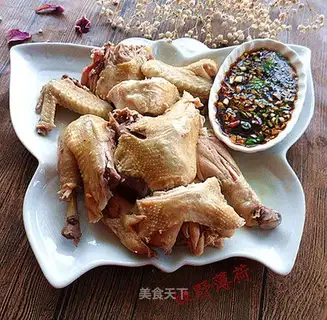
The whole chicken has been a cornerstone of human diets for millennia, valued for its versatility, rich flavor, and impressive nutritional profile. From ancient civilizations to modern kitchens, this humble bird has sustained communities, inspired culinary innovation, and provided a complete source of protein. Beyond its culinary appeal, the whole chicken offers a range of health benefits, from muscle maintenance to immune support. However, like all foods, it must be consumed wisely to maximize its advantages while minimizing risks. This article explores the nutritional value of the whole chicken, its health benefits, and important considerations for safe consumption.
I. Nutritional Value of the Whole Chicken
A whole chicken is a nutritional treasure, offering a balanced combination of macronutrients, vitamins, and minerals. Its nutritional profile varies slightly depending on factors such as breed, diet, and cooking method, but a 100-gram serving of cooked boneless, skinless chicken breast contains approximately 165 calories, 31 grams of protein, and 3.6 grams of fat, while dark meat (thighs and drumsticks) provides slightly more fat (around 9 grams per 100 grams) but similar protein content.
1. High-Quality Protein
Chicken is renowned for its complete protein content, meaning it provides all nine essential amino acids that the human body cannot produce independently. These amino acids are vital for building and repairing tissues, producing enzymes and hormones, and supporting muscle growth—making chicken an ideal choice for athletes, recovering patients, and individuals looking to maintain muscle mass as they age.
2. Essential Vitamins
The whole chicken is a rich source of B vitamins, particularly niacin (B3), vitamin B6, and vitamin B12. Niacin plays a crucial role in energy metabolism and nervous system function, while vitamin B6 is involved in protein metabolism and red blood cell production. Vitamin B12, found almost exclusively in animal products, is essential for nerve health and DNA synthesis. A single serving of chicken can provide over 50% of the recommended daily intake (RDI) for these vitamins.
Additionally, chicken contains vitamin D, though levels are higher in the skin and liver. Vitamin D is critical for calcium absorption, bone health, and immune function. Free-range chickens, which have more access to sunlight, tend to have higher vitamin D levels in their meat.
3. Key Minerals
Chicken is an excellent source of iron, phosphorus, selenium, and zinc. Iron, particularly heme iron (more easily absorbed than plant-based iron), is vital for preventing anemia and supporting oxygen transport in the blood. Phosphorus works with calcium to build strong bones and teeth, while selenium acts as a powerful antioxidant, protecting cells from damage. Zinc supports immune function, wound healing, and DNA synthesis. A 100-gram serving of chicken provides about 15-20% of the RDI for zinc and selenium.
4. Healthy Fats
While chicken is relatively lean, its fat content—primarily in the skin and dark meat—contains monounsaturated and polyunsaturated fats, including oleic acid (the same healthy fat found in olive oil). The skin, when consumed in moderation, also provides small amounts of arachidonic acid, an omega-6 fatty acid important for brain function and inflammation regulation. However, for those watching fat intake, removing the skin can reduce fat content by up to 50%.
II. Health Benefits of Consuming Whole Chicken
Regular consumption of whole chicken, as part of a balanced diet, can contribute to numerous health benefits, ranging from physical fitness to chronic disease prevention.
1. Supports Muscle Growth and Repair
The high-quality protein in chicken is particularly effective for muscle protein synthesis, making it a staple for athletes, bodybuilders, and older adults at risk of sarcopenia (age-related muscle loss). Studies show that spreading protein intake evenly across meals (e.g., 25-30 grams per meal) maximizes muscle maintenance, and chicken’s amino acid profile aligns perfectly with this goal.
2. Aids in Weight Management
Chicken is a low-calorie, high-protein food that promotes satiety, helping to reduce overall calorie intake. Protein takes longer to digest than carbohydrates or fats, keeping you fuller for longer and reducing cravings. A 2015 study published in The American Journal of Clinical Nutrition found that high-protein diets enhance weight loss and fat loss while preserving lean mass. For those on a weight loss journey, grilled or baked chicken breast is an excellent choice due to its low fat and high protein content.
3. Strengthens Bone Health
Chicken’s combination of protein, phosphorus, and vitamin D supports bone density and strength. Phosphorus accounts for about 85% of the body’s mineral content, working alongside calcium to form hydroxyapatite, the compound that gives bones their rigidity. Vitamin D enhances calcium absorption, while collagen (a protein found in chicken connective tissues) provides flexibility to bones, reducing the risk of fractures and osteoporosis.
4. Boosts Immune Function
The selenium and zinc in chicken are critical for a healthy immune system. Selenium stimulates the production of cytokines, proteins that help regulate immune responses, while zinc supports the development and function of immune cells like T-cells and natural killer cells. A deficiency in either mineral can impair immune function, making chicken a valuable dietary addition, especially during cold and flu season.
5. Supports Brain and Nervous System Health
Chicken contains choline, an essential nutrient that plays a key role in brain development, memory, and mood regulation. Choline is a precursor to acetylcholine, a neurotransmitter involved in muscle control, memory, and learning. A single serving of chicken can provide over 100 mg of choline (about 20% of the RDI for women), making it an important food for pregnant women (to support fetal brain development) and older adults (to maintain cognitive function).
III. Important Considerations: Safe Consumption and Potential Risks
While the whole chicken is a nutritious food, improper handling or overconsumption can lead to health risks. Understanding these risks and taking precautions ensures that you can enjoy chicken safely.
1. Food Safety: Preventing Bacterial Contamination
Raw chicken is often contaminated with harmful bacteria such as Salmonella, Campylobacter, and Clostridium perfringens, which can cause food poisoning. To minimize risk:
- Handle with care: Keep raw chicken separate from other foods in the refrigerator, use separate cutting boards and utensils, and wash hands thoroughly after touching raw poultry.
- Cook thoroughly: Chicken should be cooked to an internal temperature of 74°C (165°F) to kill bacteria. Use a food thermometer to ensure accuracy, as visual cues (e.g., color) are not reliable.
- Avoid cross-contamination: Never place cooked chicken on a plate that held raw chicken, and marinate chicken in the refrigerator, not at room temperature.
2. Moderation: Balancing Fat and Sodium Intake
While chicken is lean, certain preparation methods can significantly increase its fat and sodium content. Fried chicken, for example, can absorb excess oil, adding up to 20 grams of fat per serving, while processed chicken products (e.g., chicken nuggets, deli meats) often contain high levels of sodium and preservatives like nitrates, which have been linked to an increased risk of heart disease and cancer. Opt for grilling, baking, or steaming chicken, and season with herbs and spices instead of salt to keep it healthy.
3. Allergies and Sensitivities
While chicken allergies are less common than allergies to shellfish or peanuts, they can occur. Symptoms may include hives, swelling, digestive upset, or in severe cases, anaphylaxis. People with chicken allergies should also avoid chicken eggs, as they share similar proteins. Additionally, some individuals may experience sensitivity to chicken due to its purine content, which can trigger gout attacks in susceptible people.
4. Antibiotic and Hormone Concerns
In many countries, chickens are raised with antibiotics to prevent disease and promote growth. Overuse of antibiotics in agriculture contributes to antibiotic resistance, a major global health threat. To reduce exposure, choose organic or antibiotic-free chicken, which is raised without routine antibiotics. In the U.S. and the EU, the use of growth hormones in poultry is banned, but in some regions, hormones may still be used, so look for certified hormone-free labels if you are concerned.
5. Environmental and Ethical Considerations
While not a direct health risk, the environmental impact of chicken production is worth noting. Industrial chicken farming can contribute to deforestation, water pollution, and greenhouse gas emissions. Choosing sustainably raised chicken (e.g., free-range, pasture-raised) supports more humane and environmentally friendly practices, though it may be more expensive.
Conclusion
The whole chicken is a nutritional powerhouse that offers a wealth of health benefits, from muscle growth to immune support. Its high-quality protein, essential vitamins, and minerals make it a valuable addition to a balanced diet, while its versatility allows for endless culinary creations. However, to fully enjoy its benefits, it is crucial to handle and cook chicken safely, choose high-quality sources, and consume it in moderation. By doing so, the whole chicken can remain a staple of healthy, sustainable eating for generations to come. Whether roasted, grilled, or stewed, this humble bird continues to nourish and delight, proving that sometimes, the simplest foods are the most beneficial.