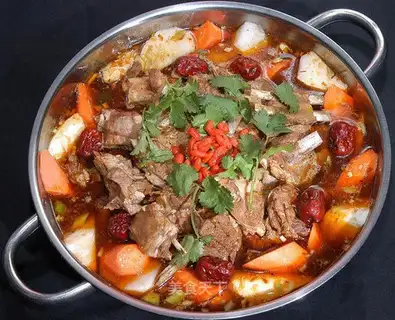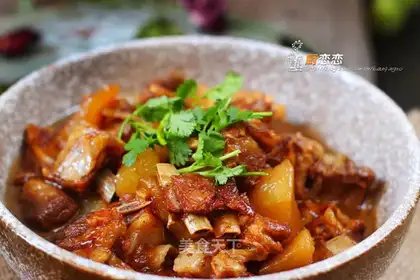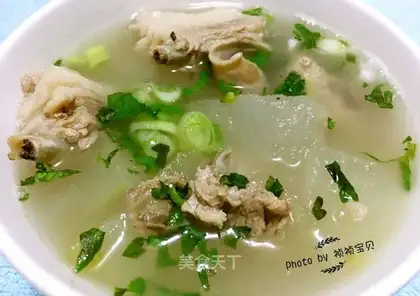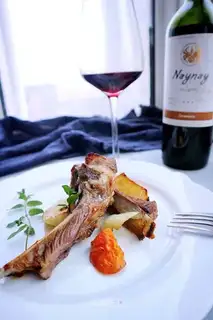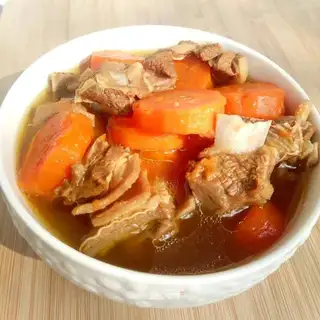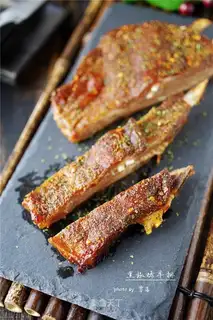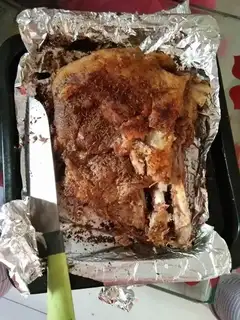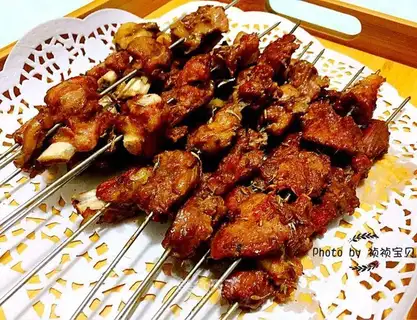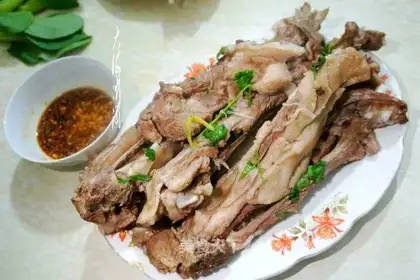
It's hard to catch lamb with this hand. It's my family's own sheep. They bought two lambs to breed, to get me to go with my relatives, to help them feed milk, whether it's frowned or diluted, and I can only apologize for the fact that in two days' time, my sister's grandkids have cried for their lives. One lonely life for a year was left and turned into our meal. The lamb tastes free and warm. It's more beautiful than pork, smoother than beef, and it's the best food for winter. The lamb eats a lot of meat, steaming, cooking, frying, etc. Each approach has its own unique taste, and the nutritional components vary. Hand-catching lamb, original juice, especially home-grown sheep, is the favorite, long-lived, fresh and smooth taste. At the end of the autumn and winter, it was said that the season had begun to eat lamb, that the winter joints were not working and that the hands and feet were not cold. In autumn and winter, frequent consumption not only increases human heat and resists cold, but also increases digestive enzymes, protects stomach walls, restores gastric mucous membranes and helps to digest spleen and acts as a resistance to ageing。
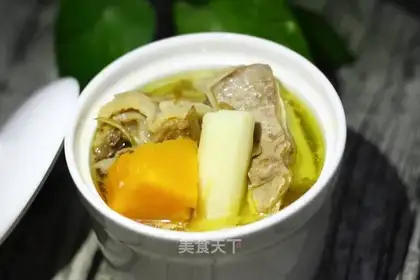
As lamb is one of the more frequent meat on the table, its fat content is lower than that of pork and beef, its protein content is higher than that of pork, and its heat is higher than that of beef, so everyone likes lamb for the autumn and winter festivals, which, on the one hand, enhances immunity and resists the cold, and on the other hand, helps to repair the body by estimating what is called the best for the autumn and winter. Today, we share a pumpkin soup of goats, with a simple mix of a few nutrient-rich foods to make a taste of it and its beautiful and nourished soup。