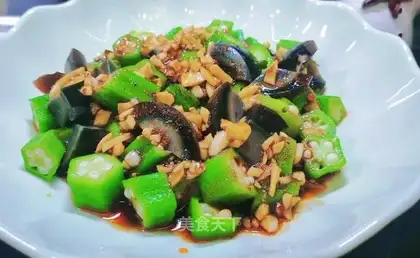
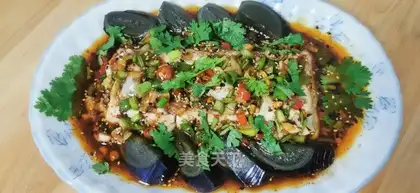
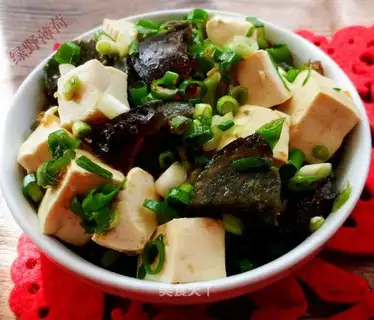
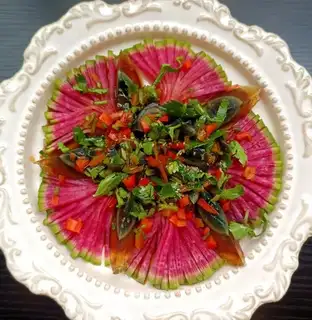
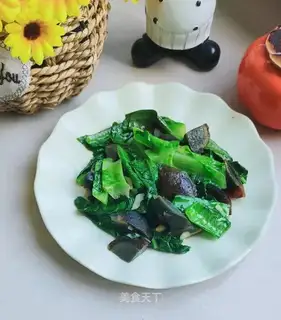
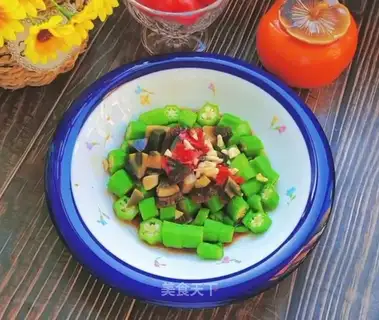
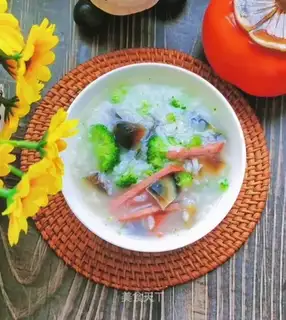
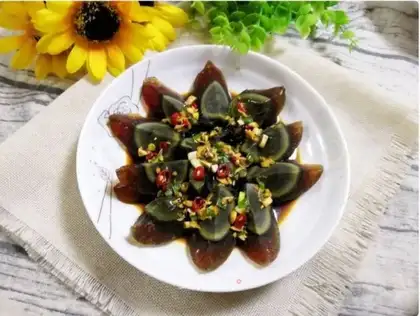
For centuries, century eggs (also known as pidan or pine eggs) have been a staple in Chinese cuisine, prized for their unique umami flavor, jelly-like texture, and versatility in dishes ranging from simple appetizers to complex hot pots. Despite their divisive reputation—some consider them a delicacy, others an acquired taste—these preserved eggs offer surprising nutritional benefits, backed by both traditional wisdom and modern science. However, like many traditional foods, they come with specific consumption guidelines. This article explores the nutritional value, health benefits, and potential risks of century eggs, providing a comprehensive guide for food enthusiasts and health-conscious individuals alike.
I. Nutritional Value of Century Eggs
Century eggs are created by preserving duck, chicken, or quail eggs in a mixture of clay, ash, salt, lime, and rice straw for several weeks to months. This process transforms the egg’s composition, enhancing its nutritional profile while altering its texture and flavor. From a macronutrient perspective, a typical century egg (about 50–60 grams) contains approximately 70–80 calories, 6–7 grams of protein, and 5–6 grams of fat—similar to a fresh egg but with a more concentrated nutrient density due to water loss during preservation.
1. High-Quality Protein
Protein is essential for muscle repair, immune function, and enzyme production. Century eggs are an excellent source of complete protein, containing all nine essential amino acids (histidine, isoleucine, leucine, lysine, methionine, phenylalanine, threonine, tryptophan, and valine). The preservation process denatures some proteins, making them easier to digest and absorb, which is particularly beneficial for individuals with weakened digestive systems.
2. Vitamins and Minerals
Century eggs are rich in micronutrients that are often lacking in modern diets:
- Vitamins: They contain vitamin A (important for vision and immune health), vitamin B12 (crucial for nerve function and red blood cell formation), and riboflavin (B2), which aids in energy metabolism. Notably, the alkaline preservation process increases the bioavailability of these vitamins.
- Minerals: A single century egg provides 15–20% of the daily recommended intake of iron, essential for preventing anemia. It also offers phosphorus (for bone health), zinc (for immune support), and selenium (a powerful antioxidant that protects cells from damage).
3. Bioactive Compounds
The most striking nutritional feature of century eggs is their high content of amino acids and peptides. The preservation process breaks down proteins into smaller peptides and free amino acids, such as alanine, glycine, and glutamic acid. Glutamic acid, in particular, is responsible for the egg’s intense umami flavor, which can enhance the taste of dishes without adding excessive salt.
Additionally, century eggs contain polyphenols and flavonoids—antioxidants that combat oxidative stress and reduce inflammation. These compounds are formed during the chemical reactions of preservation and contribute to the egg’s potential health benefits.
II. Health Benefits of Century Eggs
Beyond their nutritional profile, century eggs have been used in traditional Chinese medicine (TCM) for centuries to treat various ailments. Modern research now supports many of these claims, highlighting their role in promoting overall health.
1. Boosts Immune Function
The high levels of zinc, selenium, and vitamin B12 in century eggs play a critical role in immune regulation. Zinc supports the development of immune cells, while selenium enhances the activity of natural killer (NK) cells, which target pathogens and infected cells. A 2018 study published in the Journal of Agricultural and Food Chemistry found that peptides derived from century eggs stimulate macrophage activity, a key component of the innate immune system.
2. Enhances Brain Health
Century eggs are rich in choline, a nutrient that is vital for brain development and cognitive function. Choline is a precursor to acetylcholine, a neurotransmitter involved in memory and mood regulation. Additionally, the omega-3 fatty acids (present in small amounts) and antioxidants help reduce neuroinflammation, potentially lowering the risk of age-related cognitive decline.
3. Supports Digestive Health
The alkaline nature of century eggs helps neutralize stomach acid, making them a soothing food for individuals with gastritis or acid reflux. The preserved proteins are also easier to digest than fresh eggs, reducing the burden on the digestive system. In TCM, century eggs are often recommended to “clear heat” and “detoxify,” which aligns with their modern reputation as a gut-friendly food.
4. Promotes Skin Health
The antioxidants in century eggs, particularly selenium and polyphenols, protect the skin from UV damage and oxidative stress, which are major contributors to aging. Amino acids like glycine and proline also support collagen production, improving skin elasticity and reducing wrinkles. Some traditional beauty remedies even use century egg masks to brighten and tighten skin.
5. Aids in Weight Management
With only 70–80 calories per egg and a high protein content, century eggs are a satisfying, low-calorie food that can help control appetite. Protein increases satiety by reducing levels of ghrelin (the “hunger hormone”) and increasing peptide YY (a hormone that signals fullness). Including century eggs in meals may reduce overall calorie intake, making them a useful addition to weight loss diets.
III. Potential Risks and Consumption Guidelines
While century eggs offer numerous health benefits, improper consumption or overconsumption may lead to adverse effects. Understanding these risks is key to enjoying them safely.
1. High Sodium Content
The preservation process involves soaking eggs in a mixture of salt and ash, which significantly increases their sodium content. A single century egg can contain 300–400 mg of sodium, accounting for 13–17% of the daily recommended limit (2,300 mg) for most adults. Excessive sodium intake is linked to high blood pressure, heart disease, and stroke. Individuals with hypertension or kidney disease should limit their consumption to 1–2 eggs per week and avoid pairing them with salty foods like soy sauce or cured meats.
2. Risk of Heavy Metal Contamination
Historically, some century eggs were made with industrial-grade lead or copper compounds to accelerate preservation, leading to lead contamination—a serious health concern, especially for children and pregnant women. However, modern production methods have largely eliminated this risk. Reputable manufacturers now use food-grade lime and avoid toxic additives. To minimize risk, buy century eggs from trusted brands and check for certifications (e.g., FDA or local food safety standards).
3. Bacterial Contamination
Although the alkaline environment of preserved eggs inhibits bacterial growth, improper handling can still lead to contamination (e.g., Salmonella). Always store century eggs in the refrigerator and consume them within 1–2 weeks of opening. Avoid eating raw or undercooked century eggs (e.g., in smoothies or lightly dressed dishes) to reduce the risk of foodborne illness.
4. Purine Content
Century eggs are high in purines, natural compounds that break down into uric acid. For individuals with gout or hyperuricemia, excessive purine intake can trigger flare-ups. Such individuals should limit consumption to 1–2 eggs per week and avoid high-purine accompaniments like shellfish or organ meats.
5. Pregnancy and Children
Pregnant women and young children should consume century eggs in moderation due to their high sodium and potential heavy metal risk. While occasional consumption is generally safe, it is advisable to consult a healthcare provider beforehand.
IV. How to Incorporate Century Eggs into a Healthy Diet
Century eggs are incredibly versatile and can be enjoyed in both traditional and modern dishes. Here are some healthy and delicious ways to include them in your diet:
1. Classic Appetizers
- Century Egg and Tofu Salad: Mash a century egg with silken tofu, add a pinch of salt, sesame oil, and chopped cilantro. This low-calorie, high-protein dish is perfect as a light lunch or appetizer.
- Pidan and Ginger Congee: Add diced century eggs to warm congee (rice porridge) along with sliced ginger and scallions. This soothing dish aids digestion and provides comfort during cold weather.
2. Salads and Wraps
- Asian Salad with Century Eggs: Thinly slice century eggs and toss with mixed greens, cucumber, bell peppers, and a light dressing of rice vinegar, soy sauce, and sesame oil. This refreshing salad is rich in vitamins and antioxidants.
- Century Egg Lettuce Wraps: Fill lettuce leaves with sliced century eggs, shredded chicken, avocado, and a drizzle of peanut sauce for a nutrient-dense, low-carb meal.
3. Main Courses
- Century Egg and Pork Congee: A hearty dish combining century eggs, lean pork, and rice, seasoned with ginger and garlic. This meal is high in protein and iron, making it ideal for post-workout recovery or for individuals with anemia.
- Mapo Tofu with Century Eggs: Add diced century eggs to this spicy Sichuan dish to enhance umami flavor and reduce the need for excessive salt. The tofu provides plant-based protein, while the century eggs add depth.
4. Healthy Snacks
- Century Egg and Scallion Omelet: Beat a century egg with fresh eggs and scallions, then cook as a light omelet. This quick snack is high in protein and healthy fats.
V. Conclusion
Century eggs are more than just a culinary curiosity—they are a nutritional powerhouse packed with protein, vitamins, minerals, and bioactive compounds. From boosting immunity to supporting brain and skin health, their benefits are backed by both traditional use and modern science. However, their high sodium content and potential risks of contamination or purine-related issues require mindful consumption.
By choosing high-quality century eggs, limiting portion sizes, and incorporating them into balanced dishes, you can enjoy their unique flavor and health advantages without compromising your well-being. Whether you’re a fan of their creamy texture or new to this delicacy, century eggs offer a delicious and nutritious addition to a diverse diet. As with all foods, moderation and awareness are key to unlocking their full potential while minimizing risks.
In the ever-evolving world of nutrition, century eggs stand as a testament to the wisdom of traditional cuisine—reminding us that sometimes, the most unusual foods hold the greatest treasures.