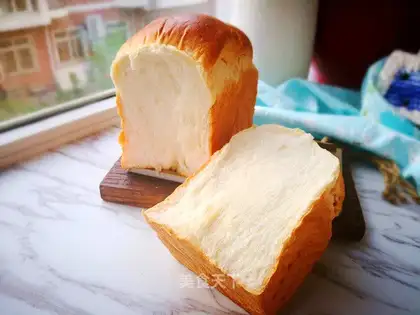
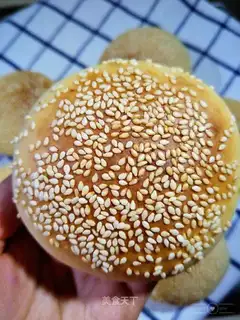
It's a Chinese cream toast formulation, but this time, instead of freezing fermentation in the fridge, it's a direct fermentation, as soft as a cloud, torn with a little hand. What do you care about making toast like this? Apart from the points on which bread should be made, the most important point is to believe in formulas and not in eyes. Because after the first fermentation, the pasta added new food, and then it rubbed its face again, the bakery was so rare that it didn't look so good at this time, remember, never flour, never flour, never flour, never talk about it three times. Because of this rare state of affairs, it changes as the bread machine stirs, and the noodles don't run out, and that's why the toast is so soft. All right, let's get to know this soft cream toast。
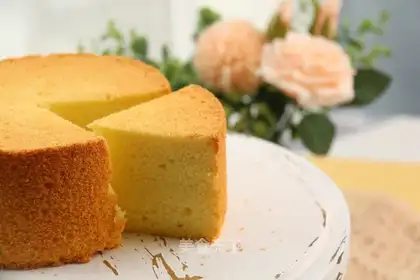
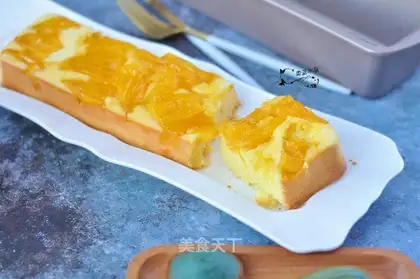
It's just recently when pineapple comes on the market, it can be used to make cake, besides eating it directly, because the pineapple's fragrance is particularly good for enhancing the taste of cake, and it makes it feel more sunlight, and it's luminous and beautiful. Unlike soft wind and solid sponges, cakes like pound cake, tastes better. The baked cake must choose a non- sticky mold, super-skinned, without any adhesive treatment, baked cake, flipped it off and dropped it on the net。