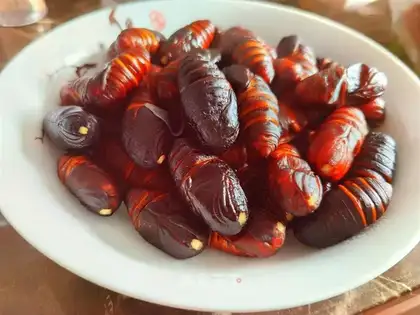
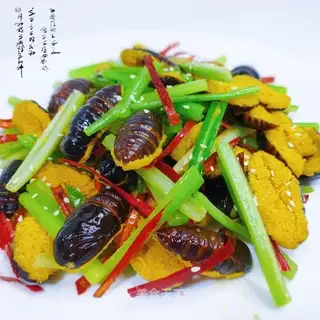
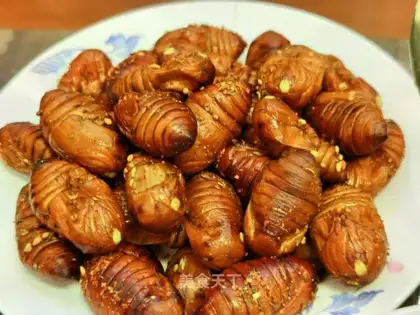
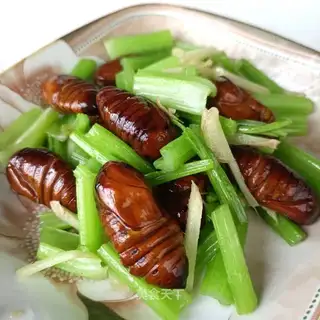
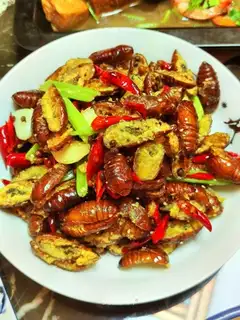
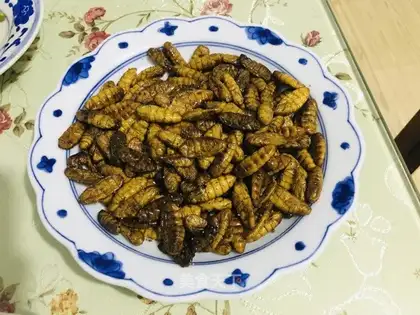
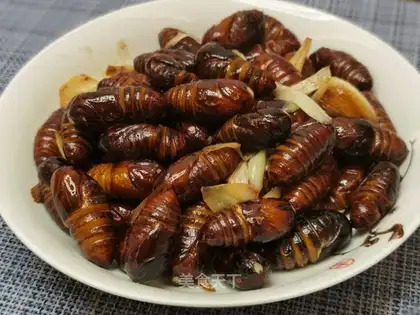
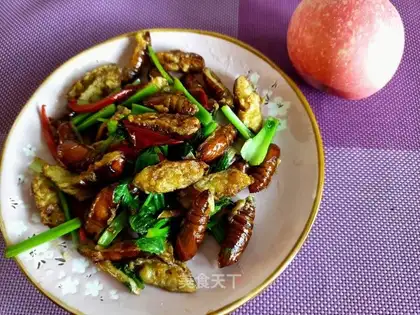
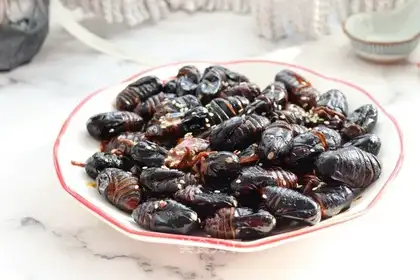
Silkworm pupae, the metamorphosed form of the silkworm (Bombyx mori L.) before emerging as a moth, have been a traditional delicacy and medicinal food in East Asia for centuries. Particularly prevalent in countries like China, Korea, Thailand, and Vietnam, these golden-brown, pod-like creatures are increasingly gaining global attention as a sustainable, high-protein superfood. Beyond their cultural significance, silkworm pupae boast a remarkable nutritional profile, diverse health benefits, and unique consumption considerations. This article explores the nutritional value of silkworm pupae, their evidence-based health benefits, and important precautions for safe consumption.
Nutritional Value of Silkworm Pupae
Silkworm pupae are often dubbed a "nutritional treasure" due to their dense concentration of macronutrients, micronutrients, and bioactive compounds. A 100-gram serving of dried silkworm pupae contains approximately 52 grams of protein, surpassing many conventional protein sources like beef (26g), chicken (31g), and lentils (9g). This protein is "complete," meaning it provides all nine essential amino acids (histidine, isoleucine, leucine, lysine, methionine, phenylalanine, threonine, tryptophan, and valine) in optimal ratios for human muscle synthesis and tissue repair.
In addition to protein, silkworm pupae are rich in healthy fats, primarily unsaturated fatty acids (about 30% of total fat). Notably, they contain alpha-linolenic acid (ALA), an omega-3 fatty acid that supports cardiovascular health and reduces inflammation. The fat profile also includes oleic acid (a monounsaturated fat) and palmitic acid, making it a balanced source of dietary fat.
Micronutrient-wise, silkworm pupae are exceptional sources of iron (14.5mg per 100g, meeting 81% of the daily value for adult women), zinc (5mg, 45% DV), and magnesium (85mg, 20% DV). Iron is critical for oxygen transport and anemia prevention, while zinc boosts immune function and wound healing. They are also packed with B vitamins, particularly B12 (0.03mg, 120% DV), which is rarely found in plant-based foods and essential for nerve health and DNA synthesis. Other B vitamins (B1, B2, B3, B6) aid energy metabolism and cognitive function.
Furthermore, silkworm pupae contain unique bioactive compounds, including:
- Cytokinins: Plant hormones that exhibit anti-aging and antioxidant properties.
- Flavonoids: Such as quercetin and kaempferol, which combat oxidative stress.
- Antimicrobial peptides: Natural compounds that inhibit pathogenic bacteria and fungi.
- Fiber: About 8g per 100g of dried pupae, promoting digestive health.
Compared to other insects (e.g., crickets, mealworms), silkworm pupae stand out for their higher protein content, omega-3 levels, and B12 concentration, making them a superior alternative to conventional animal proteins in many respects.
Health Benefits of Silkworm Pupae
The impressive nutritional composition of silkworm pupae translates to a range of health benefits, supported by both traditional use and modern scientific research.
1. Muscle Building and Tissue Repair
The high-quality protein and amino acid profile of silkworm pupae make them ideal for muscle maintenance and growth. Leucine, in particular, stimulates muscle protein synthesis (MPS), making these pupae valuable for athletes, older adults (to combat sarcopenia), and individuals recovering from injuries or surgery. Studies in animal models have shown that silkworm protein isolate enhances muscle regeneration more effectively than soy protein.
2. Immune System Enhancement
Zinc and B vitamins in silkworm pupae play pivotal roles in immune function. Zinc deficiency impairs T-cell and antibody production, while B6 and B12 support the production of immune cells. Additionally, antimicrobial peptides in pupae have demonstrated activity against Staphylococcus aureus and Escherichia coli in vitro, suggesting potential for preventing infections. Traditional Chinese Medicine (TCM) has long used silkworm pupae to "strengthen the body’s defenses," particularly during illness or convalescence.
3. Antioxidant and Anti-Aging Effects
Silkworm pupae are rich in antioxidants that neutralize free radicals, reducing oxidative stress—a key driver of aging and chronic diseases. Flavonoids and cytokinins in pupae have been shown to increase superoxide dismutase (SOD) and glutathione peroxidase (GSH-Px) activity, enzymes that protect cells from damage. A 2020 study in Journal of Functional Foods found that silkworm pupa extract reduced oxidative markers in aged mice, improving memory and motor function.
4. Cardiovascular Health Support
The omega-3 fatty acids (ALA) and unsaturated fats in silkworm pupae help lower LDL ("bad") cholesterol and triglycerides, while increasing HDL ("good") cholesterol. Magnesium regulates blood pressure by relaxing blood vessels, reducing the risk of hypertension. Animal studies indicate that silkworm pupa supplementation reduces arterial plaque formation, though human trials are needed to confirm these effects.
5. Blood Sugar Regulation
Preliminary research suggests silkworm pupae may aid in diabetes management. Protein slows carbohydrate digestion, preventing blood sugar spikes, while magnesium improves insulin sensitivity. A 2018 study in Nutrition Research found that diabetic rats fed silkworm protein had lower fasting blood glucose and HbA1c levels (a marker of long-term blood sugar control) than controls.
6. Anti-Inflammatory Properties
Chronic inflammation is linked to arthritis, heart disease, and cancer. Silkworm pupae contain compounds like bromelain (a protease enzyme) and flavonoids that inhibit pro-inflammatory cytokines (e.g., TNF-α, IL-6). In traditional Korean medicine, silkworm pupae are used to alleviate arthritis and joint pain, with modern studies supporting their anti-inflammatory effects in animal models of colitis and arthritis.
7. Skin and Hair Health
The protein and amino acids in silkworm pupae support collagen production, improving skin elasticity and reducing wrinkles. Zinc and B vitamins (B2, B3) prevent hair loss and promote scalp health. Topical formulations containing silkworm pupa extract are increasingly used in cosmetics for their moisturizing and anti-aging properties.
食用禁忌与注意事项 (Consumption Precautions)
While silkworm pupae offer numerous health benefits, certain precautions must be taken to ensure safe consumption, particularly for individuals with specific health conditions or dietary preferences.
1. Allergies
Silkworm pupae are potential allergens, especially for individuals with shellfish or insect allergies. Both groups share similar allergenic proteins (e.g., tropomyosin), which can trigger reactions like hives, swelling, or anaphylaxis. A 2019 study in Food Chemistry identified 12 allergenic proteins in silkworm pupae, cross-reacting with shrimp allergens. First-time consumers should start with a small portion and monitor for adverse reactions.
2. Heavy Metal Contamination
Silkworms are bioaccumulators, meaning they may absorb heavy metals (e.g., lead, cadmium) from their feed (mulberry leaves) or environment. Pupae from polluted regions or industrial areas may pose health risks. To minimize exposure, source pupae from reputable suppliers who test for heavy metals and adhere to organic farming standards.
3. Purine Content
Silkworm pupae are high in purines (150–200mg per 100g), which can trigger gout or exacerbate kidney stones in susceptible individuals. Purines break down into uric acid, and excessive levels cause inflammation in joints. Gout sufferers or those with kidney dysfunction should avoid or limit consumption.
4. Preparation Safety
Raw or undercooked silkworm pupae may harbor harmful bacteria (e.g., Salmonella) or parasites. Thorough cooking (boiling, frying, or roasting at 75°C or higher) is essential to eliminate pathogens. In Korea, "beondegi" (steamed or boiled pupae) is typically cooked until tender, while in China, fried pupae are crispy and golden. Pregnant women, young children, and immunocompromised individuals should opt for well-cooked pupae to reduce infection risk.
5. Cultural and Ethical Considerations
In some Western cultures, consuming insects may be met with cultural aversion. However, as sustainability becomes a priority, edible insects are increasingly recognized as eco-friendly protein sources (they require less land, water, and feed than livestock). For ethical consumption, choose pupae from humane sources (e.g., pupae that complete their life cycle naturally, not killed via boiling).
6. Medication Interactions
Silkworm pupae may interact with blood thinners (e.g., warfarin) due to their vitamin K content, which affects clotting. Individuals on anticoagulant medication should consult a doctor before adding pupae to their diet. Additionally, the high fiber content may interfere with the absorption of certain medications (e.g., antibiotics), so it is advisable to consume pupae 2–3 hours apart from medications.
Conclusion
Silkworm pupae are a nutritional powerhouse, offering a complete protein profile, essential fatty acids, vitamins, and minerals that support muscle health, immunity, and disease prevention. Their antioxidant, anti-inflammatory, and blood sugar-regulating properties make them a valuable addition to a balanced diet, particularly for those seeking sustainable protein alternatives. However, caution is necessary for individuals with allergies, gout, or kidney issues, and proper preparation is critical to avoid contamination.
As global interest in edible insects grows, silkworm pupae are poised to transition from a regional delicacy to a mainstream superfood. By understanding their benefits and precautions, consumers can harness their nutritional potential while minimizing risks. Whether enjoyed as a crispy snack, a protein-rich meal, or a medicinal remedy, silkworm pupae represent a promising fusion of tradition, nutrition, and sustainability for the future of food.