Introduction
Red yeast rice (RYR), a traditional fermented food and medicinal ingredient in East Asia, has been used for over a millennium in Chinese cuisine and traditional medicine. Produced by fermenting polished rice with the mold Monascus purpureus, RYR imparts a distinctive reddish-purple hue, earthy flavor, and a host of bioactive compounds. Beyond its culinary role—lending color and depth to dishes like Peking duck, rice wine, and fermented bean curd—RYR has gained global attention for its remarkable nutritional properties and health benefits. This article explores the nutritional profile of red yeast rice, its scientifically supported health benefits, potential risks, and important precautions for safe consumption.
Nutritional Profile of Red Yeast Rice
Red yeast rice is a nutrient-dense food, rich in carbohydrates, proteins, dietary fiber, and essential micronutrients. Its unique nutritional value stems from both the rice itself and the bioactive compounds produced during Monascus fermentation.
Macronutrients and Micronutrients
As a fermented rice product, RYR provides complex carbohydrates for sustained energy, along with moderate levels of protein (containing all essential amino acids) and dietary fiber, which supports digestive health. It is also a source of B vitamins (such as B1, B2, and B6), which play key roles in metabolism, energy production, and nerve function. Additionally, RYR contains minerals like iron, calcium, magnesium, and potassium, which are vital for blood health, bone density, and electrolyte balance.
Bioactive Compounds: Monacolins and Beyond
The most notable components of RYR are its secondary metabolites produced by Monascus purpureus, particularly monacolins. Monacolin K, structurally identical to the prescription drug lovastatin, inhibits HMG-CoA reductase—an enzyme involved in cholesterol synthesis. Other monacolins (e.g., monacolin J, L) also exhibit lipid-lowering properties.
Beyond monacolins, RYR contains:
- Monascins and Ankaflavins: Polyphenols with antioxidant and anti-inflammatory effects.
- Gamma-Aminobutyric Acid (GABA): A neurotransmitter that may help lower blood pressure and reduce stress.
- Sterols and Phytosterols: Plant compounds that inhibit cholesterol absorption in the gut.
- Pigments (Monascorubrin and Rubropunctatin): Carotenoids with antioxidant properties, contributing to RYR’s red color and potential cellular protection.
Health Benefits of Red Yeast Rice
The synergy of RYR’s nutrients and bioactive compounds underpins its wide-ranging health benefits, particularly for cardiovascular health, metabolic function, and antioxidant defense.
1. Cardiovascular Health: Cholesterol and Lipid Management
RYR’s most well-established benefit is its ability to lower cholesterol levels. Monacolin K inhibits cholesterol synthesis in the liver, reducing low-density lipoprotein (LDL, or “bad” cholesterol) and total cholesterol while increasing high-density lipoprotein (HDL, or “good” cholesterol). Clinical studies show that RYR supplements can reduce LDL cholesterol by 15–30%, comparable to low-dose statins.
For example, a 2020 meta-analysis in The American Journal of Cardiology found that RYR supplementation significantly lowered LDL and triglyceride levels in patients with hyperlipidemia, with fewer side effects than synthetic statins. This makes RYR a natural alternative for individuals with mild to moderate high cholesterol, especially those intolerant to statin drugs.
2. Blood Sugar Regulation
Emerging research suggests RYR may aid in blood sugar control. Monacolins and other compounds (e.g., GABA) improve insulin sensitivity and reduce glucose absorption in the intestines. A 2019 study in Journal of Ethnopharmacology demonstrated that RYR extract reduced fasting blood sugar and HbA1c (a marker of long-term blood sugar control) in diabetic rats, with potential applications for managing type 2 diabetes in humans.
3. Antioxidant and Anti-Inflammatory Effects
The polyphenols and pigments in RYR combat oxidative stress, a key driver of chronic diseases like heart disease, cancer, and neurodegeneration. Monascins and ankaflavins neutralize free radicals, while GABA reduces inflammation by inhibiting pro-inflammatory cytokines. A 2018 study in Food & Function found that RYR extract protected liver cells from oxidative damage, suggesting hepatoprotective (liver-protective) effects.
4. Digestive and Gut Health
As a fermented food, RYR acts as a prebiotic, feeding beneficial gut bacteria (e.g., Lactobacillus and Bifidobacterium). This promotes a healthy gut microbiome, which is linked to improved immunity, better digestion, and reduced risk of metabolic disorders. The fiber in RYR also alleviates constipation and supports regular bowel movements.
5. Traditional and Modern Medicinal Uses
In traditional Chinese medicine (TCM), RYR is prescribed to improve blood circulation, alleviate indigestion, and invigorate vital energy (Qi). Modern research has validated some of these uses: for instance, RYR’s ability to enhance blood flow may reduce the risk of atherosclerosis, while its digestive benefits align with TCM’s emphasis on gut health as the foundation of overall wellness.
Culinary Uses of Red Yeast Rice
Beyond its medicinal properties, RYR is a versatile culinary ingredient in East Asian cuisine. Its fermented flavor adds depth to dishes, while its natural color serves as a healthier alternative to artificial food dyes.
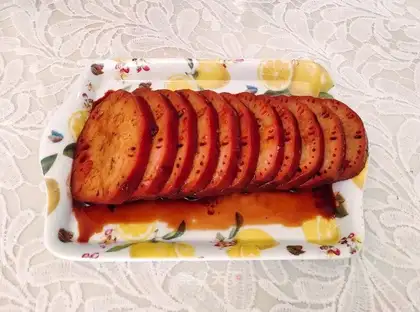
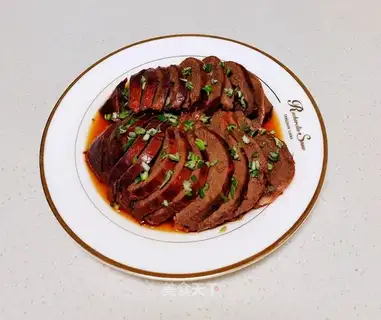
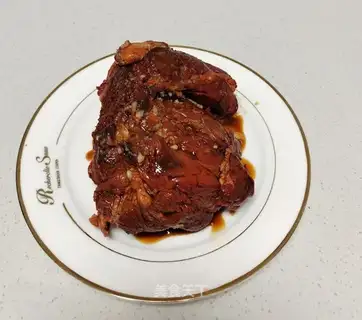
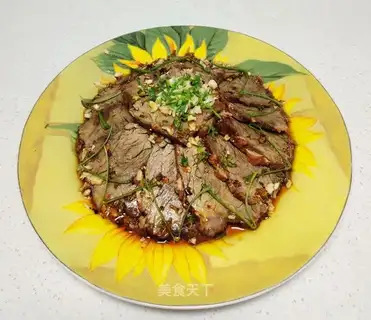
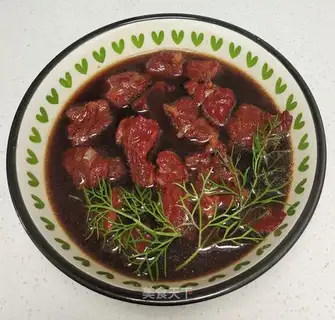
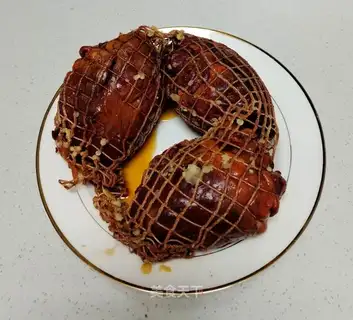
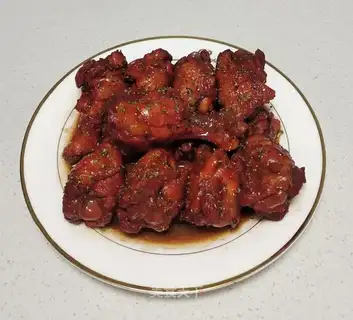
- Marinades and Sauces: RYR paste is used to marinate meats (e.g., pork, duck) and tofu, imparting a savory, umami-rich flavor. A classic example is char siu (Chinese barbecue pork), where RYR gives the meat its signature red hue and sweet-salty taste.
- Rice and Noodle Dishes: Cooked RYR rice or RYR-infused noodles (e.g., zajiangmian) are popular in Taiwan and mainland China.
- Fermented Beverages and Foods: RYR is used to make rice wine (hongzoujiu), vinegar, and fermented bean products, enhancing their flavor and nutritional value.
- Desserts and Snacks: In Korea and Japan, RYR is used to make traditional sweets like hongju (red yeast rice cake) and amazake (sweet fermented rice drink).
Potential Risks and Side Effects
While RYR offers significant health benefits, it is not without risks, primarily due to its monacolin content and variability in composition.
1. Statin-Like Side Effects
Since monacolin K is identical to lovastatin, RYR can cause statin-related side effects, including:
- Muscle pain or weakness (myopathy)
- Elevated liver enzymes (hepatotoxicity)
- Digestive issues (e.g., bloating, diarrhea)
- Rarely, rhabdomyolysis (severe muscle breakdown)
These risks are higher in individuals taking high doses of RYR, those with pre-existing liver or kidney disease, or those combining RYR with other cholesterol-lowering medications (e.g., statins, fibrates).
2. Contamination with Citrinin
Some RYR products may be contaminated with citrinin, a mycotoxin produced by certain Monascus strains. Citrinin is nephrotoxic (damaging to the kidneys) and carcinogenic. To minimize risk, consumers should choose RYR products from reputable manufacturers that undergo third-party testing for citrinin and heavy metals.
3. Drug Interactions
RYR can interact with medications metabolized by the liver cytochrome P450 system, including:
- Blood thinners (e.g., warfarin)
- Immunosuppressants (e.g., cyclosporine)
- Certain antibiotics and antifungals
- Grapefruit juice (which inhibits statin metabolism)
Individuals taking prescription medications should consult a healthcare provider before using RYR supplements.
4. Lack of Standardization
The monacolin content in RYR products varies widely due to differences in fermentation strains, rice quality, and processing methods. Some supplements may contain little to no monacolins, while others may have excessively high levels, increasing the risk of side effects. Look for products standardized to monacolin K content (typically 2.5–10 mg per serving) and certified by organizations like the U.S. Pharmacopeia (USP) or NSF International.
Who Should Avoid Red Yeast Rice?
Certain groups should avoid or limit RYR consumption:
- Pregnant or breastfeeding women: Limited safety data; monacolins may harm fetal development.
- Children: Developing livers and kidneys may be more sensitive to monacolins and citrinin.
- Individuals with liver or kidney disease: RYR can exacerbate organ dysfunction.
- People with a history of statin intolerance: Risk of severe muscle pain or myopathy.
- Those scheduled for surgery: Monacolins increase bleeding risk; discontinue RYR at least 2 weeks before surgery.
Safe Consumption Guidelines
To reap the benefits of RYR while minimizing risks, follow these guidelines:
1. Choose high-quality products: Opt for supplements with third-party testing for purity, potency, and contaminants (e.g., citrinin, heavy metals).
2. Follow dosage recommendations: Most studies use 1.2–2.4 g of RYR extract daily, containing 5–10 mg of monacolin K. Do not exceed the recommended dose.
3. Monitor for side effects: Discontinue use if you experience muscle pain, fatigue, jaundice (yellowing of skin/eyes), or dark urine.
4. Consult a healthcare provider: Especially if you have underlying health conditions or take medications.
5. Prioritize whole foods: Incorporate RYR into your diet as a culinary ingredient (e.g., in marinades or rice dishes) rather than relying solely on supplements.
Conclusion
Red yeast rice is a unique and versatile ingredient that bridges culinary tradition and modern nutrition. Its rich profile of macronutrients, micronutrients, and bioactive compounds—particularly monacolins—makes it a valuable tool for managing cholesterol, blood sugar, and oxidative stress. However, its statin-like effects and potential for contamination require caution. By selecting high-quality products, adhering to safe dosages, and consulting healthcare professionals when needed, individuals can harness RYR’s benefits while minimizing risks. Whether used as a natural remedy or a flavorful addition to meals, red yeast rice exemplifies the power of fermented foods in promoting health and wellness.