Introduction
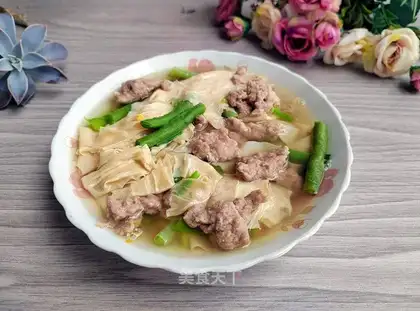
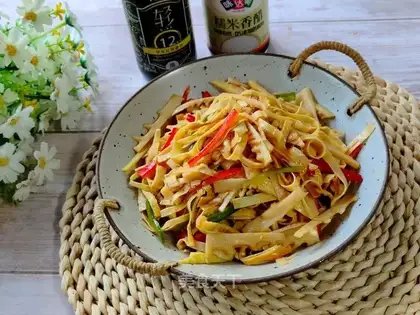
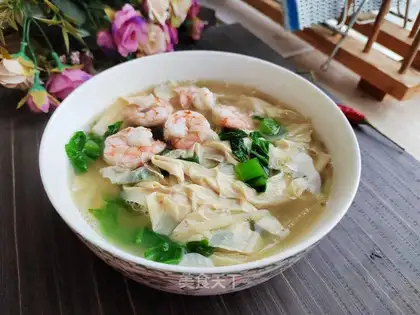
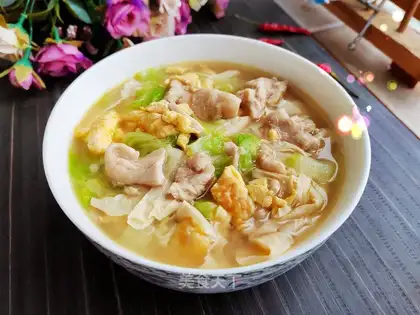
Tofu skin, also known as soybean skin, yuba, or bean curd sheet, is a delicate, film-like byproduct formed when soy milk is heated. For centuries, it has been a staple in East Asian cuisine, prized for its versatility, mild flavor, and unique texture—chewy when dried, tender when rehydrated, and crispy when fried. Beyond its culinary appeal, tofu skin is a nutritional powerhouse, packed with plant-based protein, essential amino acids, vitamins, and minerals. However, like many foods, it must be consumed mindfully to maximize benefits and avoid potential risks. This article explores the nutritional profile of tofu skin, its health benefits, and important precautions for safe consumption.
Nutritional Profile of Tofu Skin
Tofu skin is a concentrated source of nutrients, derived from soybeans—one of the most protein-rich legumes. Its nutritional composition varies slightly depending on the production method (e.g., dried vs. fresh) and whether it is fortified, but its core values remain consistently impressive.
1. High-Quality Plant-Based Protein
Tofu skin is an excellent source of complete protein, containing all nine essential amino acids that the human body cannot synthesize on its own. A 100-gram serving of dried tofu skin provides approximately 45–55 grams of protein, surpassing even meat, poultry, and fish on a per-gram basis. This makes it a valuable alternative for vegetarians, vegans, and individuals looking to reduce animal product intake. The protein in tofu skin is also highly bioavailable, meaning the body can easily absorb and utilize it for muscle repair, enzyme production, and immune function.
2. Low in Calories and Fat
Despite its rich protein content, tofu skin is remarkably low in calories. A 100-gram serving of dried tofu skin contains around 300–350 calories, with most of its calories coming from protein and carbohydrates rather than fat. Fresh tofu skin, by contrast, is even lower in calories (approximately 80–100 calories per 100 grams) and contains minimal fat—mostly heart-healthy unsaturated fats. This makes it an ideal food for weight management, as it provides satiety without excessive calorie intake.
3. Rich in Micronutrients
Tofu skin is a good source of several essential vitamins and minerals:
- Iron: Critical for oxygen transport and energy production, tofu skin provides non-heme iron, which is best absorbed when consumed with vitamin C (e.g., alongside bell peppers or broccoli).
- Calcium: Important for bone health, tofu skin contains 50–100 milligrams of calcium per 100 grams, though fortified varieties may offer significantly more.
- Magnesium: Plays a role in over 300 biochemical reactions, including muscle function and blood sugar regulation.
- B Vitamins: It contains riboflavin (B2), niacin (B3), and vitamin B12 (in fortified forms), which support metabolism and nervous system health.
- Antioxidants: Tofu skin isoflavones, such as genistein and daidzein, have antioxidant properties that help neutralize free radicals and reduce inflammation.
4. Carbohydrates and Fiber
Tofu skin is low in carbohydrates (around 10–15 grams per 100 grams of dried product), with a small portion coming from dietary fiber. Fiber aids digestion, promotes gut health, and helps regulate blood sugar levels, making tofu skin a suitable option for individuals with diabetes or insulin resistance.
Health Benefits of Tofu Skin
The unique combination of nutrients in tofu skin contributes to a range of health benefits, from supporting muscle growth to reducing chronic disease risk.
1. Promotes Muscle Growth and Repair
With its high protein content and complete amino acid profile, tofu skin is an excellent food for muscle maintenance and repair. This is particularly beneficial for athletes, older adults (who are prone to age-related muscle loss), and individuals recovering from illness or injury. The leucine, an essential amino acid in tofu skin, stimulates muscle protein synthesis, helping to preserve lean mass.
2. Supports Heart Health
Tofu skin’s low saturated fat content and high levels of unsaturated fats (including omega-3 and omega-6 fatty acids) make it heart-healthy. Additionally, its isoflavones have been shown to lower LDL (“bad”) cholesterol, reduce blood pressure, and improve blood vessel function. Studies suggest that regular soy consumption may decrease the risk of cardiovascular disease by 10–20%, making tofu skin a valuable addition to a heart-healthy diet.
3. Aids in Weight Management
The protein and fiber in tofu skin promote satiety, helping to curb hunger and reduce overall calorie intake. Protein also has a higher thermic effect than fats or carbohydrates, meaning the body burns more calories digesting it. For individuals looking to lose or maintain weight, tofu skin can be a satisfying, low-calorie alternative to higher-fat protein sources like red meat or full-fat dairy.
4. Strengthens Bones
While tofu skin is not as calcium-rich as dairy products, it still contributes to bone health, especially when consumed alongside calcium-fortified foods (e.g., fortified plant milks or calcium-set tofu). Its magnesium and vitamin K content also play a role in bone metabolism, helping to prevent osteoporosis and improve bone density.
5. Regulates Blood Sugar Levels
The fiber and protein in tofu skin slow down the absorption of sugar in the bloodstream, preventing rapid spikes in blood glucose. This makes it a beneficial food for individuals with diabetes or prediabetes. A 2020 study published in the Journal of Nutrition found that regular soy consumption improved insulin sensitivity and reduced HbA1c levels (a marker of long-term blood sugar control).
6. Anti-Inflammatory and Anticancer Properties
Tofu skin’s isoflavones have potent anti-inflammatory effects, which may help reduce the risk of chronic diseases such as arthritis, diabetes, and heart disease. Research also suggests that genistein, a key isoflavone, inhibits the growth of cancer cells, particularly those of the breast, prostate, and colon. While more human studies are needed, these findings highlight tofu skin’s potential role in a cancer-preventive diet.
Precautions and Potential Side Effects
Despite its many benefits, tofu skin may not be suitable for everyone. Certain individuals should consume it in moderation or avoid it altogether, and proper preparation is key to minimizing risks.
1. Soy Allergies
Soy is one of the eight major allergens, and individuals with soy allergies should strictly avoid tofu skin. Allergic reactions can range from mild (hives, itching) to severe (anaphylaxis, difficulty breathing). Those with a known soy allergy should opt for alternative protein sources like lentils, chickpeas, or quinoa.
2. Phytoestrogens and Hormonal Sensitivity
Tofu skin contains phytoestrogens, plant compounds that mimic estrogen in the body. While this can be beneficial for some (e.g., postmenopausal women experiencing hot flashes), it may pose risks for individuals with hormone-sensitive conditions such as breast, ovarian, or endometrial cancer. People with these conditions should consult their doctor before consuming tofu skin regularly.
3. High Sodium in Processed Varieties
Many commercially available tofu skin products (e.g., dried sheets, flavored snacks) are high in sodium due to added salt or sauces. Excessive sodium intake can increase blood pressure and raise the risk of heart disease and stroke. To minimize sodium, choose unflavored, dried tofu skin and rinse it thoroughly before use, or opt for fresh varieties.
4. Oxalates and Kidney Stones
Tofu skin contains oxalates, naturally occurring compounds that can contribute to kidney stone formation in susceptible individuals. Those with a history of calcium oxalate kidney stones should limit their intake and ensure adequate hydration. Cooking tofu skin can reduce oxalate levels slightly, but moderation is key.
5. Digestive Discomfort
Tofu skin is high in fiber and certain oligosaccharides (sugars that can be difficult to digest). Consuming large amounts may cause bloating, gas, or diarrhea, particularly in individuals with irritable bowel syndrome (IBS) or sensitive digestive systems. Starting with small portions and cooking it thoroughly can help mitigate these effects.
6. Additives and Contaminants
Some tofu skin products may contain additives such as preservatives, artificial flavors, or monosodium glutamate (MSG). To avoid these, choose organic or minimally processed varieties and check ingredient labels. Additionally, ensure that tofu skin is sourced from reputable manufacturers to prevent contamination with heavy metals or pesticides.
Conclusion
Tofu skin is a nutrient-dense, versatile food that offers a wide range of health benefits, from supporting muscle growth to reducing chronic disease risk. Its high protein content, low calorie count, and rich micronutrient profile make it an excellent choice for vegetarians, vegans, and health-conscious individuals alike. However, it is important to consume tofu skin mindfully, taking into account potential allergies, hormonal sensitivity, and sodium content. By incorporating tofu skin into a balanced diet and preparing it properly, individuals can enjoy its culinary and health advantages while minimizing risks. Whether stir-fried, steamed, or added to soups, tofu skin is a delicious and nutritious addition to any meal.