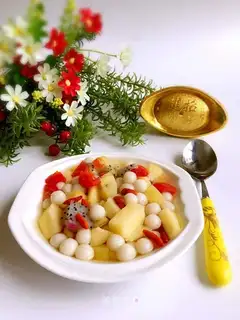
This is the first important holiday after the New Year's Eve, the New Year's Eve Festival, the New Year's Eve Festival, the New Year's Eve Festival, the New Year's Eve Festival, the New Year's Eve Festival and the New Year's Light Festival. It is one of the traditional Chinese festivals in China and abroad. The first full moon in the year is called the 15th Night Festival. China's ancient tradition is that of the previous (Night Night's Day), the Chinese (Ninjiang festivities) and the lower (Water Day) collectively called three dollars. New Year's Eve began more than 2000 years ago in the Qin Dynasty. He ordered the 15th of the month to be a midnight festival. When Han Mu-di was born, the "Too One" sacrifice was set for the 15th of January. The New Year's Eve was designated as a major holiday by the Semare when he created the "Today's Day". Traditional practices include visiting the moon, burning the lights, guessing the mystery, sharing the night with each other, pulling the rabbit light, etc. In addition, traditional folk performances such as lanterns, lions, stomping, boating, twirling and playing the drums have been added to many places。
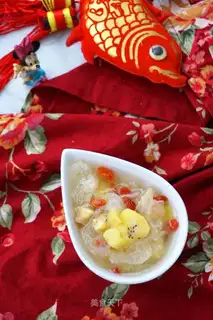
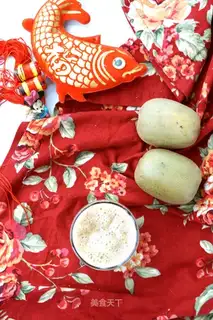
The silver ears of the monkeys, they've never been thought of before. But it is too sour and hard for the monkeys, and too soft for the acquaintances to cut, and it is not too soft and hard for those who eat less sour and less sweet. Once the sweeter monkeys are warmed, they become sour, and the softer monkeys are on the edge of softening, with long rolls in the pot, which will probably turn into mud. So, boil the silver ears and throw the monkeys. Lazy, naturally the cheapest thing to do. – The silver ears will be boiled to the ground, then boiled into the pot, and the monkeys will roll again. And the monkeys neither lose their taste, nor wait for the silver to become ripe. and spread out two bells, and a little of the red。