Nestled in the calm waters of ponds, rivers, and marshes across Asia, Europe, and North America, the water chestnut (genus Trapa) is a unique aquatic fruit that has been valued for millennia not only for its crisp, refreshing taste but also for its remarkable nutritional and medicinal properties. With its distinctive horned shell and snow-white flesh, this aquatic gem has been a staple in traditional cuisines and healing practices, particularly in East Asia. Today, as global interest in functional foods grows, the water chestnut is gaining recognition for its impressive nutrient profile, diverse health benefits, and versatility in culinary applications. However, like all foods, it must be consumed with awareness of potential precautions. This article explores the nutritional value of water chestnuts, their evidence-based health benefits, and important considerations for safe consumption.
Nutritional Value: A Low-Calorie Nutrient-Dense Food
Water chestnuts are often celebrated as a "dieter’s friend" due to their low calorie and high water content—comprising about 74% water—while packing a surprising punch of essential vitamins, minerals, and fiber. A 100-gram serving of raw water chestnuts (approximately 8–10 small corms) provides just 74 calories, making it an ideal choice for weight management diets.
Macronutrients: Fiber and Complex Carbohydrates
The standout macronutrient in water chestnuts is dietary fiber, with 100 grams containing about 3 grams—12% of the daily recommended intake for adults. This fiber is primarily insoluble, which aids in digestion by adding bulk to stool and promoting regular bowel movements. Additionally, water chestnuts are rich in complex carbohydrates, primarily starch, but with a low glycemic index (GI) of around 60 (when boiled), making them suitable for individuals managing blood sugar levels. Unlike refined grains, the slow-digesting carbohydrates in water chestnuts provide sustained energy without sharp spikes in blood glucose.
Micronutrients: Vitamins and Minerals
Despite their mild flavor, water chestnuts are a source of key micronutrients:
- Potassium: A 100-gram serving provides 300 mg of potassium (8% of the daily value), crucial for regulating blood pressure, fluid balance, and muscle function.
- Vitamin B6: At 0.15 mg per 100 grams (12% of DV), vitamin B6 supports metabolism, brain health, and red blood cell production.
- Riboflavin (B2): Essential for energy metabolism and skin health, water chestnuts provide 0.1 mg (8% of DV) per serving.
- Copper: A trace mineral critical for iron absorption, antioxidant defense, and connective tissue formation, with 0.2 mg (22% of DV) per 100 grams.
- Manganese: Involved in bone formation, antioxidant processes, and metabolism, water chestnuts offer 0.2 mg (9% of DV) per serving.
Antioxidants and Bioactive Compounds
Water chestnuts are rich in antioxidants, which combat oxidative stress—a key driver of chronic diseases. Notable compounds include:
- Flavonoids: Such as quercetin and kaempferol, which have anti-inflammatory and cardioprotective effects.
- Phenolic acids: Including gallic acid and ellagic acid, known for their ability to neutralize free radicals and reduce cellular damage.
- Vitamin C: Though not as abundant as in citrus fruits (100 grams provide 4 mg, 7% of DV), vitamin C in water chestnuts supports immune function and collagen synthesis.
These nutrients collectively make water chestnuts a nutrient-dense food that can complement a balanced diet, providing essential vitamins and minerals without excess calories or unhealthy fats.
Health Benefits: From Digestion to Chronic Disease Prevention
The combination of fiber, antioxidants, and micronutrients in water chestnuts contributes to a range of health benefits, supported by both traditional use and emerging scientific research.
1. Supports Digestive Health
The high fiber content in water chestnuts is a boon for digestive wellness. Insoluble fiber adds bulk to stool, preventing constipation and promoting regular bowel movements. Additionally, fiber acts as a prebiotic, feeding beneficial gut bacteria (such as Bifidobacterium and Lactobacillus), which are essential for gut microbiome balance. A healthy gut microbiome is linked to improved immunity, reduced inflammation, and even better mood regulation.
Traditional Chinese Medicine (TCM) has long used water chestnuts to "clear heat" and "resolve toxins," often recommending them for digestive issues like indigestion or bloating. Modern research aligns with this, as fiber helps slow gastric emptying, reducing discomfort after meals.
2. Aids in Weight Management
For individuals seeking to lose or maintain weight, water chestnuts are an excellent dietary choice. Their low calorie (74 kcal/100g) and high water content (74%) create a "low energy density" effect, meaning they provide volume and satiety without excessive calories. The fiber in water chestnuts further enhances satiety by slowing digestion and keeping hunger at bay.
Studies suggest that consuming low-energy-density foods is associated with lower body weight and reduced risk of obesity. A 2019 review in Nutrients highlighted that high-fiber, high-water foods like water chestnuts can help control appetite and reduce overall calorie intake, making them a valuable tool in weight management.
3. Regulates Blood Sugar Levels
With a low glycemic index and rich fiber content, water chestnuts are a smart choice for individuals with diabetes or those at risk of developing the condition. Fiber slows the absorption of sugar in the bloodstream, preventing rapid spikes in blood glucose after meals.
A 2020 study published in the Journal of Functional Foods found that extracts from water chestnuts improved insulin sensitivity in diabetic rats, suggesting potential benefits for blood sugar control in humans. While more human trials are needed, the existing evidence supports including water chestnuts in a diabetes-friendly diet.
4. Boosts Immune Function
The immune-boosting properties of water chestnuts stem from their antioxidant and vitamin content. Vitamin C, though present in moderate amounts, plays a key role in activating immune cells such as lymphocytes and phagocytes, which help the body fight infections.
Flavonoids like quercetin also exhibit antimicrobial and anti-inflammatory effects, enhancing the body’s defense against pathogens. In TCM, water chestnuts are often used during cold and flu season to "cool the body" and reduce respiratory symptoms, such as sore throat or cough, thanks to their anti-inflammatory properties.
5. Promotes Heart Health
Heart disease remains a leading cause of global mortality, but dietary choices can significantly reduce risk. Water chestnuts contribute to heart health in multiple ways:
- Potassium: This mineral helps counteract the effects of sodium, lowering blood pressure—a major risk factor for heart disease and stroke.
- Fiber: Soluble fiber, though less abundant than insoluble fiber in water chestnuts, still helps lower LDL ("bad") cholesterol by binding to it in the digestive tract and removing it from the body.
- Antioxidants: Flavonoids and phenolic acids reduce oxidative stress in blood vessels, preventing the buildup of plaque (atherosclerosis) and improving blood flow.
A 2018 study in Phytotherapy Research found that regular consumption of water chestnut extract reduced LDL cholesterol and triglycerides in mice fed a high-fat diet, highlighting its potential cardioprotective effects.
6. Anti-Inflammatory and Anticancer Properties
Chronic inflammation is linked to numerous diseases, including cancer, arthritis, and neurodegenerative disorders. Water chestnuts are rich in anti-inflammatory compounds, such as quercetin and gallic acid, which inhibit pro-inflammatory enzymes (like COX-2) and cytokines (like TNF-α).
Regarding cancer, preliminary research suggests that water chestnut extracts may inhibit the growth of cancer cells. A 2021 study in Cancer Letters found that water chestnut polysaccharides suppressed the proliferation of colon cancer cells in vitro by inducing apoptosis (programmed cell death). While more human studies are needed, these findings are promising for the role of water chestnuts in cancer prevention.
Culinary Uses: Versatility in Global Cuisines
Beyond their health benefits, water chestnuts are prized for their culinary versatility. Their crisp, apple-like texture and mild, slightly sweet flavor make them a popular ingredient in both sweet and savory dishes.
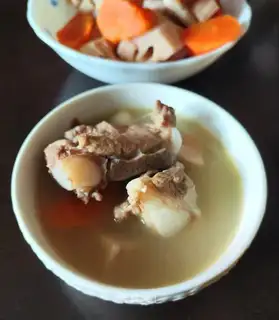
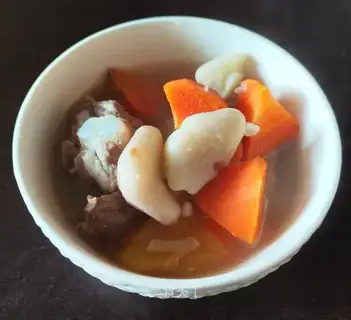
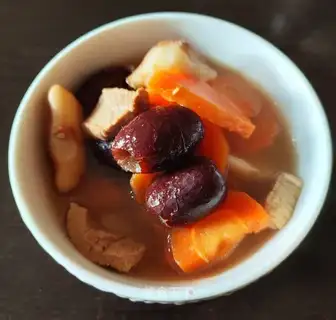
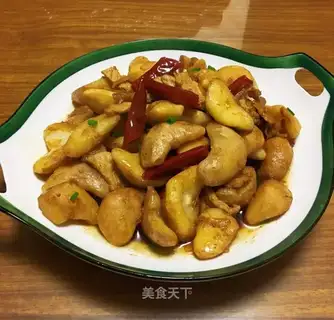
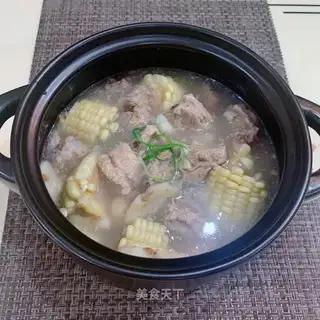
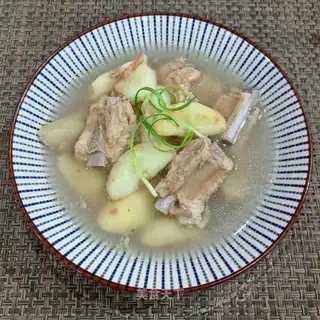
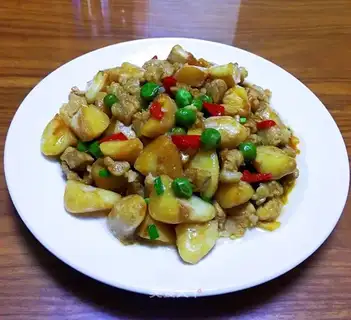
In East Asian cuisines, water chestnuts are a staple. In China, they are used in stir-fries (e.g., water chestnut and pork stir-fry), soups (e.g., hot and sour soup), and mooncakes (a traditional pastry). In Japan, they are pickled or added to chawanmushi (steamed egg custard). In Thailand and Vietnam, fresh water chestnuts are used in salads (e.g., tam mamuang, a mango salad) and desserts.
In Western cuisines, canned water chestnuts are more common, often added to stuffings, casseroles, or salads for crunch. They are also used in vegetarian dishes as a meat substitute due to their firm texture.
For maximum nutritional benefit, fresh water chestnuts are preferred over canned varieties, which may contain added sodium. Fresh water chestnuts can be eaten raw (peeled and sliced), boiled, steamed, or roasted. When cooked, their texture softens slightly but retains a satisfying crunch, making them adaptable to various cooking methods.
Precautions and Potential Side Effects
While water chestnuts are generally safe for most people, there are important precautions to consider to avoid adverse effects.
1. Allergic Reactions
Although rare, allergies to water chestnuts have been reported, particularly in individuals with allergies to other nuts (such as almonds or walnuts) or latex (due to cross-reactivity). Symptoms of a water chestnut allergy may include itching, hives, swelling, difficulty breathing, or anaphylaxis. Individuals with known nut or latex allergies should exercise caution and consult a healthcare provider before consuming water chestnuts.
2. Cyanide Content in Raw Water Chestnuts
Raw water chestnuts contain trace amounts of cyanogenic glycosides, compounds that can release cyanide when metabolized. However, the levels are extremely low (typically <1 mg per 100 grams) and pose no risk when water chestnuts are consumed in moderation. Cooking (boiling, steaming, or roasting) effectively neutralizes these compounds, making cooked water chestnuts safe for consumption. There have been no reported cases of cyanide poisoning from cooked water chestnuts.
3. High Fiber Content and Digestive Discomfort
For individuals not accustomed to a high-fiber diet, consuming large amounts of water chestnuts may cause digestive issues such as bloating, gas, or diarrhea. To avoid this, introduce water chestnuts gradually into your diet and drink plenty of water to help fiber move through the digestive system.
4. Interactions with Medications
Water chestnuts may interact with certain medications, particularly blood thinners (e.g., warfarin). Their vitamin K content (though moderate) can affect blood clotting, so individuals taking anticoagulants should consult their doctor before adding water chestnuts to their diet. Additionally, the high potassium content in water chestnuts may be a concern for individuals with kidney disease, as impaired kidneys cannot regulate potassium levels effectively. Such individuals should limit their intake and seek medical advice.
5. Pesticide and Contamination Risks
As with all aquatic plants, water chestnuts may be exposed to environmental pollutants, pesticides, or heavy metals if grown in contaminated water. To minimize risk, purchase water chestnuts from reputable sources and, if possible, choose organic or sustainably grown varieties. Thoroughly wash fresh water chestnuts before consumption to remove any surface contaminants.
Conclusion: A Nutritious Addition to a Balanced Diet
The water chestnut is a true nutritional treasure, offering a unique combination of low calories, high fiber, essential vitamins and minerals, and potent antioxidants. From supporting digestive health and weight management to regulating blood sugar and promoting heart health, its benefits are backed by both traditional wisdom and modern science. Its culinary versatility further enhances its appeal, making it easy to incorporate into a variety of dishes.
However, like all foods, moderation and awareness are key. Allergies, raw consumption risks, and potential medication interactions highlight the importance of consuming water chestnuts responsibly. For most people, including cooked water chestnuts as part of a balanced diet can be a delicious and healthful choice.
As research continues to uncover the full potential of this aquatic gem, the water chestnut is poised to remain a staple in global cuisines and a favorite among health-conscious individuals. Whether enjoyed raw in a salad, stir-fried with vegetables, or added to a comforting soup, the water chestnut offers a perfect blend of flavor, nutrition, and wellness.