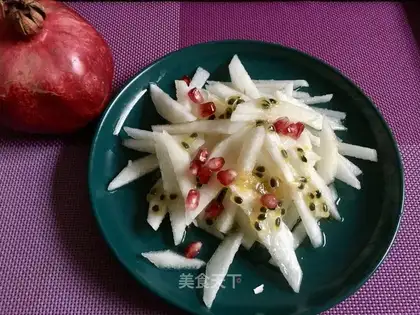
Among the myriad fruits celebrated for their unique flavors and health benefits, the snow pear (Pyrus ussuriensis), known as xue li in Chinese, stands out as a refreshing and nutrient-dense gem. Cultivated for centuries in China, Korea, and other parts of East Asia, this round, greenish-yellow pear with white speckles is prized not only for its crisp, juicy texture but also for its remarkable medicinal properties. Often referred to as the "natural hydrator" or "winter remedy," snow pear has been a staple in traditional Chinese medicine (TCM) and modern diets alike. This article delves into the nutritional profile of snow pear, its scientifically backed health benefits, potential食用禁忌 (consumption precautions), and creative ways to incorporate it into a balanced diet.
Nutritional Profile: What Makes Snow Pear a Superfruit?
Snow pear is a low-calorie fruit, with approximately 57 calories per 100 grams, making it an ideal snack for weight management. Its nutritional composition is a harmonious blend of vitamins, minerals, fiber, and antioxidants, each contributing to its health-promoting properties.
1. Rich in Vitamins and Minerals
- Vitamin C: A single medium-sized snow pear (about 178 grams) provides about 10% of the daily recommended intake of vitamin C. This potent antioxidant boosts immune function, supports collagen production for skin health, and enhances iron absorption.
- Vitamin K: Essential for blood clotting and bone metabolism, vitamin K is abundantly found in snow pears. A 100-gram serving offers around 7% of the daily requirement, contributing to bone density and cardiovascular health.
- Potassium: With approximately 135 mg per 100 grams, snow pear is a good source of potassium, a mineral that regulates fluid balance, nerve signals, and muscle contractions. Adequate potassium intake is also linked to lower blood pressure, reducing the risk of stroke.
- Copper and Manganese: These trace minerals play vital roles in energy production, antioxidant defense, and connective tissue formation. Snow pear’s copper content supports iron metabolism, while manganese aids in bone health and wound healing.
2. Dietary Fiber and Hydration
Snow pear is over 85% water, making it an excellent natural hydrator, especially during hot summers or after physical activity. Its high fiber content—about 3.1 grams per 100 grams—includes both soluble and insoluble fiber. Soluble fiber (such as pectin) slows digestion, helping to stabilize blood sugar levels and lower cholesterol. Insoluble fiber, on the other hand, promotes bowel regularity and prevents constipation.
3. Antioxidants and Phytochemicals
Snow pear is packed with antioxidants that combat oxidative stress and inflammation. Notably, it contains polyphenols (such as chlorogenic acid and arbutin) and flavonoids, which have been studied for their anti-aging, anti-cancer, and anti-inflammatory properties. Arbutin, in particular, is valued in skincare for its ability to brighten skin and reduce hyperpigmentation.
Health Benefits: From Traditional Medicine to Modern Science
The health benefits of snow pear are deeply rooted in traditional practices and increasingly validated by scientific research.
1. Respiratory Health and Soothing Coughs
In TCM, snow pear is classified as a "cooling" food, believed to clear heat, moisten the lungs, and relieve coughs and sore throats. Modern studies support this: its high water content and anti-inflammatory compounds help hydrate the respiratory tract, while its pectin content soothes irritated mucous membranes. A popular remedy in East Asia is snow pear soup with rock sugar, often consumed during cold or flu season to alleviate dry coughs and chest congestion.
2. Digestive Aid and Gut Health
The fiber in snow pear promotes healthy digestion by adding bulk to stool and feeding beneficial gut bacteria. Pectin, a soluble fiber, acts as a prebiotic, enhancing the growth of Lactobacillus and Bifidobacterium strains, which are crucial for gut microbiome balance. This, in turn, improves digestion, reduces bloating, and may lower the risk of colorectal cancer.
3. Weight Management and Blood Sugar Control
Low in calories and high in fiber and water, snow pear is a weight-loss-friendly food that promotes satiety. The soluble fiber pectin slows gastric emptying, preventing blood sugar spikes and making it a suitable fruit for people with diabetes or insulin resistance. A 2019 study published in Nutrients found that pear consumption is associated with a 12% lower risk of type 2 diabetes, likely due to its fiber and polyphenol content.
4. Skin and Anti-Aging Benefits
Snow pear’s antioxidants, particularly vitamin C and arbutin, protect the skin from UV damage and oxidative stress. Vitamin C stimulates collagen synthesis, reducing wrinkles and improving skin elasticity. Arbutin inhibits melanin production, making snow pear extract a common ingredient in brightening serums and creams. Additionally, its high water content keeps the skin hydrated, reducing dryness and flakiness.
5. Heart Health
Regular consumption of snow pear may support cardiovascular health by lowering LDL ("bad") cholesterol and blood pressure. The potassium in snow pear counteracts the effects of sodium, reducing tension in blood vessel walls. A 2020 study in the Journal of Functional Foods found that pear polyphenols improved arterial flexibility and reduced inflammation in mice, suggesting potential benefits for human heart health.
食用禁忌: Who Should Be Cautious?
While snow pear is safe for most people, certain groups should consume it in moderation or avoid it altogether, particularly when considering TCM principles.
1. Individuals with Cold Sensitivity or Weak Digestion
In TCM, snow pear’s "cooling" nature can exacerbate symptoms of "cold constitution," such as cold hands and feet, bloating, or loose stools. People with irritable bowel syndrome (IBS) or a history of digestive issues may experience discomfort after eating raw snow pears. Cooking the pear (e.g., in soups or steamed dishes) can reduce its cooling effect and make it easier to digest.
2. People with Low Blood Sugar (Hypoglycemia)
While snow pear is beneficial for blood sugar control, its natural sugars may cause a rapid drop in blood sugar levels in individuals with hypoglycemia. Such individuals should pair snow pear with protein or healthy fats (e.g., a handful of nuts) to stabilize blood sugar.
3. Those with Kidney Disease
Snow pear is high in potassium, which can be harmful for people with advanced kidney disease, as their kidneys may struggle to excrete excess potassium. Individuals with kidney disorders should consult a doctor before adding snow pear to their diet.
4. Allergic Reactions
Although rare, some people may be allergic to snow pears, experiencing symptoms such as itching, swelling, or difficulty breathing. Those with known pollen allergies (especially birch pollen) may be at higher risk of oral allergy syndrome, a cross-reactivity between pollen and certain fruits.
5. Pre-Surgery Caution
Snow pear’s vitamin K content may interfere with blood thinners like warfarin, which work by blocking vitamin K’s clotting effects. Individuals scheduled for surgery should stop consuming snow pear at least a week prior to the procedure to avoid bleeding complications.
Creative Ways to Incorporate Snow Pear into Your Diet
Beyond eating it raw, snow pear’s versatility makes it a star in both sweet and savory dishes:
1. Raw and Fresh
The simplest way to enjoy snow pear is to wash it, peel it (optional), and slice it. Its crisp, juicy texture makes it a refreshing snack or addition to fruit salads.
2. Soups and Desserts
- Snow Pear and Rock Sugar Soup: A classic TCM remedy for coughs, this soup involves simmering cored snow pears with rock sugar, goji berries, and sometimes honey or almonds.
- Baked Snow Pears: Core the pear, fill it with cinnamon, honey, and walnuts, and bake until tender. This warm dessert is perfect for cold days and easier on digestion than raw pears.
3. Juices and Smoothies
Blend snow pear with ginger, lemon, and mint for a detoxifying juice, or mix it with spinach, banana, and yogurt for a nutrient-packed smoothie. Its mild flavor pairs well with both fruits and vegetables.
4. Savory Dishes
Add grated snow pear to salads for a crunchy, juicy twist, or use it as a topping for grilled meats or fish to balance rich flavors. In Korean cuisine, baesuk (sweet pear punch) combines snow pear with ginger, cinnamon, and pine nuts for a warming drink.
Conclusion
Snow pear is more than just a delicious fruit—it is a nutritional powerhouse with a rich history in traditional medicine and growing scientific validation. Its high vitamin C, fiber, and antioxidant content supports respiratory health, digestion, weight management, and skin vitality, while its low calorie and high water make it a guilt-free treat. However, its cooling nature and high potassium content mean that moderation is key for certain individuals. By incorporating snow pear into a balanced diet—raw, cooked, or blended—people can harness its health benefits while savoring its unique flavor. Whether as a winter remedy, a summer snack, or a culinary ingredient, snow pear truly embodies the harmony of taste and wellness.