I. Nutritional Profile: A Powerhouse of Vitamins, Minerals, and Bioactive Compounds
荠菜’s nutritional value lies in its dense concentration of essential vitamins, minerals, antioxidants, and plant-based compounds, many of which are more abundant in this wild green than in common cultivated vegetables like spinach or kale. A 100-gram serving of fresh荠菜 (approximately 1.5 cups, chopped) provides a wealth of nutrients while being low in calories (around 32 kcal), making it an ideal choice for nutrient-dense, low-calorie diets.
1. Vitamins: A Natural Multivitamin
Vitamins are central to荠菜’s health benefits, with particularly high levels of fat-soluble vitamins (A, E, K) and water-soluble vitamins (C, B-group).
- Vitamin A (as β-carotene):荠菜 is one of the richest plant sources of β-carotene, a precursor to vitamin A. A 100-gram serving provides over 1,000 micrograms (µg) of β-carotene, which the body converts to retinol—critical for vision, immune function, and skin health. Vitamin A also supports cellular growth and repair, and its antioxidant properties help protect against oxidative stress.
- Vitamin C: With approximately 43 mg per 100 grams,荠菜 exceeds the vitamin C content of oranges (which have about 53 mg per 100 grams) when measured per calorie. Vitamin C is a potent antioxidant that boosts collagen production (beneficial for skin elasticity and wound healing), enhances iron absorption (reducing the risk of anemia), and strengthens the immune system.
- Vitamin K: Essential for blood clotting and bone metabolism, vitamin K is abundant in荠菜, with around 185 µg per 100 grams—nearly double the daily recommended intake for adults. This makes荠菜 particularly valuable for individuals at risk of osteoporosis or those on blood-thinning medications (though caution is advised, as discussed later).
- B-group Vitamins:荠菜 contains notable amounts of folate (B9) (around 110 µg per 100 grams), which is vital for DNA synthesis, cell division, and fetal development during pregnancy. It also provides smaller quantities of riboflavin (B2), niacin (B3), and vitamin B6, which support energy metabolism and nervous system function.
2. Minerals: Building Blocks for Health
The mineral content of荠菜 is equally impressive, with high bioavailability due to its low oxalate content (unlike spinach, which inhibits mineral absorption).
- Calcium: Often overshadowed by dairy products,荠菜 is an excellent plant-based source of calcium, with around 245 mg per 100 grams—comparable to a glass of milk. Calcium is critical for bone and teeth health, muscle contraction, and nerve signaling.
- Iron: With 2.6 mg per 100 grams,荠菜 provides about 14% of the daily recommended intake for adult women. Iron is essential for hemoglobin production, which carries oxygen in the blood, and its combination with vitamin C in荠菜 enhances absorption, making it effective in preventing iron-deficiency anemia.
- Potassium: A key electrolyte, potassium (around 335 mg per 100 grams) helps regulate blood pressure by balancing sodium levels, supports fluid balance, and aids in muscle and nerve function. Diets rich in potassium are linked to a reduced risk of stroke and heart disease.
- Magnesium and Zinc:荠菜 also provides magnesium (40 mg per 100 grams), which supports over 300 enzymatic reactions in the body, including energy production and blood sugar control. Zinc (1.2 mg per 100 grams) is crucial for immune function, wound healing, and DNA synthesis.
3. Bioactive Compounds: The “Medicinal” Edge
Beyond basic nutrients,荠菜 contains unique bioactive compounds that contribute to its therapeutic properties, including:
- Flavonoids: Such as apigenin, luteolin, and quercetin, these antioxidants combat inflammation and oxidative stress. Quercetin, in particular, has been shown to reduce allergic reactions, lower blood pressure, and inhibit the growth of cancer cells in preclinical studies.
- Saponins: These plant compounds have anti-inflammatory, antimicrobial, and cholesterol-lowering effects. Research suggests saponins in荠菜 may help regulate blood sugar levels by improving insulin sensitivity.
- Alkaloids:荠菜 contains small amounts of alkaloids like choline, which supports brain health, liver function, and muscle movement.
- Fiber: With 2.9 grams of dietary fiber per 100 grams,荠 aids digestion by promoting regular bowel movements, feeding beneficial gut bacteria, and helping to stabilize blood sugar levels.
II. Health Benefits: From Traditional Medicine to Modern Wellness
For centuries,荠菜 has been used in Traditional Chinese Medicine (TCM) to treat conditions like hypertension, dysentery, and eye infections. Modern research is now validating many of these traditional uses, revealing mechanisms behind its health-promoting effects.
1. Anti-Inflammatory and Antioxidant Effects
Chronic inflammation and oxidative stress are underlying factors in many diseases, including heart disease, diabetes, and cancer.荠菜’s high flavonoid and vitamin C content neutralizes free radicals—unstable molecules that damage cells—and inhibits pro-inflammatory enzymes (like COX-2). A 2020 study published in the Journal of Ethnopharmacology found that extract of荠菜 reduced inflammation in mice with colitis by suppressing the NF-κB pathway, a key regulator of inflammatory responses. For humans, this translates to potential relief from inflammatory conditions like arthritis or inflammatory bowel disease (IBD).
2. Cardiovascular Health Support
Heart disease remains a leading global cause of death, and荠菜 offers multiple benefits for cardiovascular health:
- Blood Pressure Regulation: The potassium in荠菜 balances sodium levels, relaxing blood vessels and reducing strain on the cardiovascular system. Animal studies show that saponins in荠菜 inhibit angiotensin-converting enzyme (ACE), a target of many blood pressure medications.
- Cholesterol Management: Flavonoids like quercetin reduce LDL (“bad”) cholesterol oxidation and increase HDL (“good”) cholesterol levels. A 2018 study in Phytotherapy Research found that adults taking荠菜 extract for 12 weeks had significant reductions in total cholesterol and triglycerides compared to a placebo group.
- Blood Clot Prevention: Vitamin K in荠菜 supports proper blood clotting, which is beneficial for individuals with bleeding disorders. However, for those on anticoagulants (e.g., warfarin), this requires careful monitoring (discussed in Section III).
3. Immune System Boost
The combination of vitamin C, vitamin A, and zinc in荠菜 makes it a natural immune enhancer. Vitamin C stimulates the production and function of white blood cells, while vitamin A maintains the integrity of mucosal barriers (e.g., in the respiratory and digestive tracts) to prevent pathogen entry. Zinc, meanwhile, is essential for the development of immune cells and the production of antibodies. Regular consumption of荠菜 may reduce the severity and duration of colds and infections, particularly during seasonal transitions when immune function is often compromised.
4. Digestive Health and Detoxification
Fiber is a cornerstone of digestive health, and荠菜’s high fiber content (both soluble and insoluble) promotes:
- Regular Bowel Movements: Soluble fiber absorbs water, softening stool and preventing constipation, while insoluble fiber adds bulk, stimulating intestinal contractions.
- Gut Microbiome Balance: Soluble fiber acts as a prebiotic, feeding beneficial gut bacteria like Bifidobacterium and Lactobacillus, which are linked to improved immunity, mood, and metabolic health.
- Detoxification: In TCM,荠菜 is considered a “detoxifying” herb, believed to “clear heat” from the liver and promote urination, helping to flush toxins from the body. Modern research supports this, as its potassium and water content support kidney function and waste excretion.
5. Anti-Cancer Potential (Preclinical Evidence)
While human trials are limited, laboratory studies suggest荠菜 may have anti-cancer properties. Flavonoids like apigenin and luteolin have been shown to induce apoptosis (programmed cell death) in cancer cells and inhibit tumor angiogenesis (the formation of blood vessels that feed tumors). A 2019 study in Oncology Reports found that荠菜 extract suppressed the growth of human liver cancer cells by downregulating the PI3K/Akt signaling pathway, a pathway often dysregulated in cancer. While more research is needed, these findings highlight荠菜’s potential as a complementary approach to cancer prevention.
6. Traditional and Modern Uses for Women’s Health
In TCM,荠菜 is used to treat menstrual irregularities and postpartum recovery due to its “blood-nourishing” properties. Modernly, its high folate content makes it beneficial for pregnant women (reducing the risk of neural tube defects in fetuses), while its iron content helps prevent anemia, which is common in women of childbearing age. Additionally, some studies suggest the phytoestrogens in荠菜 may help alleviate symptoms of menopause, though more research is required.
III. Consumption Methods: From Foraged Greens to Culinary Delights
To reap the benefits of荠菜, it is important to prepare it correctly.荠菜 can be eaten raw or cooked, though cooking enhances its bioavailability (e.g., increasing iron and calcium absorption) and reduces its slightly bitter taste.
1. Foraging and Selection
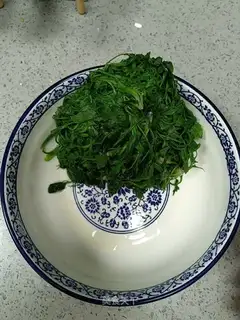
Foragers often harvest荠菜 in early spring (February to April) when its leaves are tender and mild. Look for bright green, lobed leaves (resembling a dandelion but with smoother edges) and a small, white taproot. Avoid plants with yellowing leaves, flowers (which can make leaves bitter), or signs of pesticide contamination. Cultivated荠菜 is widely available in Asian markets and some grocery stores, offering a safer alternative for those unfamiliar with foraging.
2. Culinary Uses
- Raw: Add young, tender荠菜 leaves to salads, smoothies, or wraps for a peppery crunch. Blending it into juices or green smoothies maximizes nutrient intake.
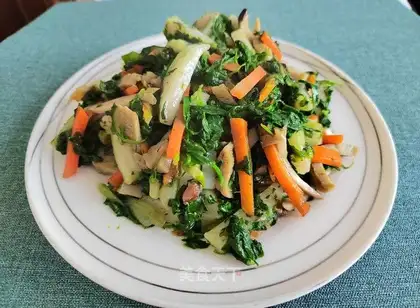
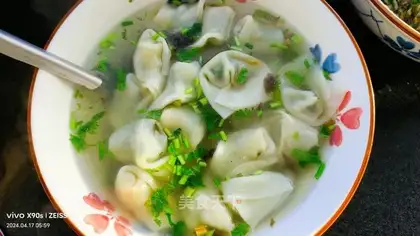
- Cooked: Sauté荠菜 with garlic and ginger as a side dish, or incorporate it into soups, stews, or stir-fries. A popular Chinese dish is jìcài tāng (荠菜 soup), where the greens are simmered with tofu and mushrooms.
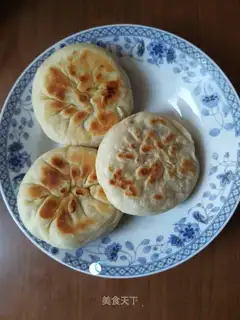
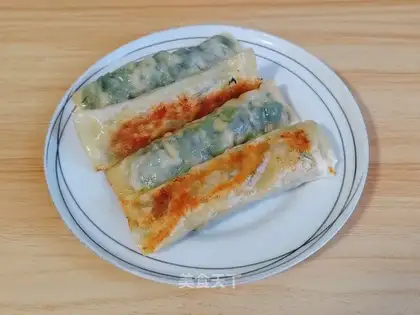
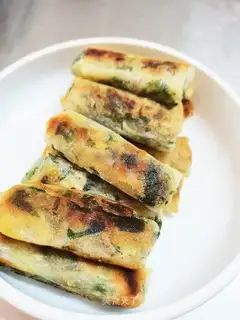
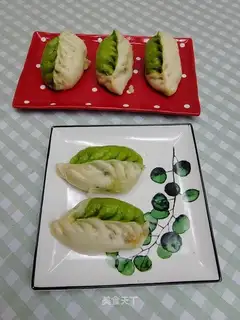
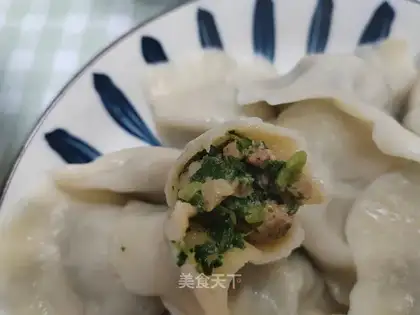
- Dumplings and Fillings: In China,荠菜 is a key ingredient in dumplings (jiaozi) and buns, where its flavor pairs well with pork, shrimp, or mushrooms.
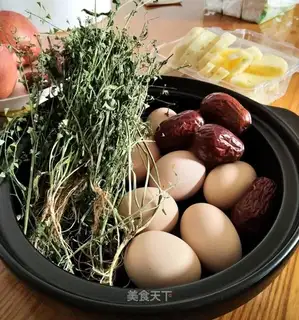
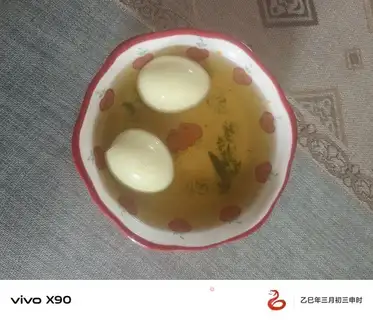
- Teas and Infusions: Dried荠菜 leaves can be steeped in hot water to make a tea, traditionally used to reduce fever or aid digestion.
3. Recommended Intake
There is no official recommended daily intake for荠菜, but incorporating 1–2 cups (100–200 grams) per week into a balanced diet is generally safe and beneficial for most adults. Pregnant women, individuals with kidney stones, or those on medications should consult a healthcare provider first (see Section IV).
IV. Precautions and Contraindications: Who Should Be Cautious?
While荠菜 is safe for most people, certain groups should exercise caution due to its nutrient and bioactive content.
1. Individuals on Anticoagulant Medications
Vitamin K plays a key role in blood clotting, and荠菜 is rich in this vitamin. For people taking blood thinners like warfarin (Coumadin), sudden changes in vitamin K intake can alter the drug’s efficacy, increasing the risk of blood clots or bleeding. Such individuals should maintain consistent vitamin K levels (i.e., avoid large, irregular amounts of荠菜) and consult their doctor before adding it to their diet.
2. People with Kidney Stones
While荠菜 is low in oxalates (compared to spinach or rhubarb), its moderate oxalate content may pose a risk to individuals with a history of calcium oxalate kidney stones. Oxalates can bind to calcium in the kidneys, forming painful stones. Those prone to kidney stones should limit their intake and stay well-hydrated.
3. Pregnant and Breastfeeding Women
In moderation,荠菜 is safe for pregnant women due to its high folate content, which supports fetal development. However, excessive consumption (e.g., large amounts of raw greens) may cause uterine stimulation in some individuals, as traditional medicine notes its mild “emmenagogue” (promoting menstruation) effects. Breastfeeding women should also consume it in moderation and monitor for any adverse reactions in infants.
4. Individuals with Allergies
Though rare, some people may be allergic to荠菜, particularly those with sensitivities to other plants in the mustard family (e.g., broccoli, cabbage). Symptoms may include itching, hives, or digestive upset. Discontinue use and seek medical attention if an allergic reaction occurs.
V. Conclusion: A Humble Green with Extraordinary Promise
From its role in ancient folk medicine to its status as a modern superfood,荠菜 exemplifies the power of nature to nourish and heal. Its dense nutritional profile—rich in vitamins, minerals, and antioxidants—combined with its anti-inflammatory, immune-boosting, and cardioprotective properties, makes it a valuable addition to any diet. Whether foraged from the wild or purchased at a market,荠菜 offers a unique blend of flavor and function, proving that the most unassuming foods often hold the greatest potential for health.
As research continues to uncover the science behind traditional uses,荠菜 is likely to gain even wider recognition as a “functional food”—one that not only satisfies hunger but also promotes wellness from the inside out. For those seeking to enhance their diet with nutrient-dense, sustainable ingredients,荠菜 is a clear choice: a humble green that packs an extraordinary punch.