Introduction
In the diverse landscape of Chinese cuisine, wild vegetables hold a special place, bridging the gap between nature and gastronomy. Among them, Malantou (马兰头), known scientifically as Kalimeris indica, stands out as a beloved seasonal green with a rich history. Also called “horse orchid head” for its purple-tinged stems, this plant thrives in fields, riverbanks, and mountainous areas across China, particularly in the Yangtze River region. For centuries, it has been a staple in both traditional medicine and daily diets, valued for its unique flavor, nutritional profile, and health benefits. Today, as global interest in functional foods grows, Malantou is gaining recognition beyond China’s borders. This article explores the nutritional value, health benefits, and precautions associated with Malantou, offering a comprehensive guide to this underappreciated superfood.
Nutritional Value of Malantou
Malantou is a nutritional powerhouse, packing a dense array of vitamins, minerals, antioxidants, and bioactive compounds into its tender leaves and stems. A 100-gram serving of fresh Malantou contains approximately:
- Vitamins: It is exceptionally rich in vitamin C (up to 34 mg), surpassing many common vegetables like spinach and cabbage. Vitamin C is a potent antioxidant that boosts immunity, supports collagen synthesis, and enhances iron absorption. Malantou also provides provitamin A (beta-carotene, ~2,870 IU), which converts to vitamin A in the body, essential for vision, skin health, and immune function. Additionally, it contains B vitamins (e.g., folate, B6), which play key roles in energy metabolism and DNA synthesis.
- Minerals: This green is a good source of essential minerals, including calcium (~72 mg), iron (~2.4 mg), potassium (~285 mg), and magnesium (~20 mg). Calcium and magnesium are critical for bone health, while potassium regulates blood pressure and fluid balance. Iron, though less concentrated than in animal sources, is more bioavailable due to Malantou’s high vitamin C content, making it beneficial for preventing iron-deficiency anemia.
- Antioxidants and Bioactive Compounds: Malantou is loaded with polyphenols, flavonoids, and sesquiterpene lactones—compounds with potent antioxidant and anti-inflammatory properties. Notably, it contains chlorogenic acid, a polyphenol linked to reduced oxidative stress and improved metabolic health. The plant’s purple stems and leaves are rich in anthocyanins, antioxidants that protect cells from damage caused by free radicals.
- Dietary Fiber: With about 2.5 grams of fiber per 100 grams, Malantou aids digestion, promotes gut health, and helps regulate blood sugar levels by slowing carbohydrate absorption.
- Low in Calories: Malantou is low in calories (~30 kcal per 100 grams), making it an ideal choice for weight management diets.
This combination of nutrients positions Malantou as a functional food that can address multiple aspects of health, from immune support to chronic disease prevention.
Health Benefits of Malantou
The consumption of Malantou is associated with a wide range of health benefits, rooted in its nutritional and bioactive profile. These benefits have been documented in traditional Chinese medicine (TCM) and increasingly supported by modern scientific research.
1. Anti-Inflammatory and Antioxidant Effects
Chronic inflammation and oxidative stress are underlying factors in many diseases, including heart disease, diabetes, and cancer. Malantou’s high content of flavonoids, anthocyanins, and chlorogenic acid helps neutralize free radicals and inhibit pro-inflammatory enzymes (e.g., COX-2). Studies suggest that these compounds may reduce markers of inflammation, such as C-reactive protein (CRP), and protect against oxidative damage to cells. For example, research published in the Journal of Ethnopharmacology found that Kalimeris indica extract significantly reduced inflammation in animal models, highlighting its potential as a natural anti-inflammatory agent.
2. Immune System Support
The abundance of vitamin C in Malantou makes it a valuable ally for immune health. Vitamin C stimulates the production and function of white blood cells, which are critical for fighting infections. Additionally, its antioxidant properties protect immune cells from oxidative damage, ensuring optimal immune response. Regular consumption of Malantou may help reduce the severity and duration of colds and other respiratory infections.
3. Liver Protection
In TCM, Malantou is classified as a “liver-cleansing” food, believed to detoxify the body and support liver function. Modern research validates this use: animal studies indicate that Malantou extract can protect the liver from chemical-induced damage by increasing antioxidant enzyme activity (e.g., superoxide dismutase and glutathione peroxidase) and reducing lipid peroxidation. These effects suggest that Malantou may play a role in preventing liver diseases, such as hepatitis and fatty liver.
4. Blood Sugar Regulation
The fiber and polyphenols in Malantou contribute to its antidiabetic potential. Fiber slows the absorption of sugar in the gut, preventing spikes in blood glucose levels, while chlorogenic acid has been shown to improve insulin sensitivity and reduce glucose production in the liver. A study in Phytotherapy Research found that Kalimeris indica extract lowered blood sugar levels in diabetic rats, offering promising implications for managing type 2 diabetes in humans.
5. Cardiovascular Health
Malantou supports heart health through multiple mechanisms. Its potassium content helps regulate blood pressure by counteracting the effects of sodium, while its fiber lowers LDL (“bad”) cholesterol and increases HDL (“good”) cholesterol. The flavonoids in Malantou also improve endothelial function (the health of blood vessel linings), reducing the risk of atherosclerosis and heart disease.
6. Weight Management
As a low-calorie, high-fiber food, Malantou is an excellent addition to weight loss diets. Fiber promotes satiety, reducing overall calorie intake, while its nutrient density ensures that the body receives essential vitamins and minerals even during calorie restriction. Additionally, its mild diuretic properties (in TCM) may help reduce water retention, contributing to a leaner appearance.
7. Bone Health
Malantou provides calcium, magnesium, and vitamin K—all crucial for maintaining strong bones. Calcium and magnesium form the structural framework of bones, while vitamin K aids in bone mineralization and calcium metabolism. Regular consumption may help prevent osteoporosis, especially in postmenopausal women.
Culinary Uses and Preparation
Before diving into precautions, it is important to understand how Malantou is prepared and consumed, as proper preparation can enhance its safety and nutritional benefits.
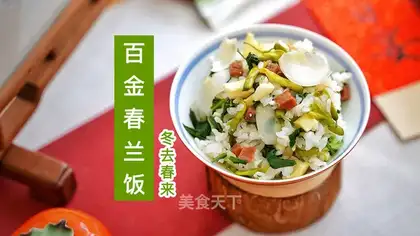
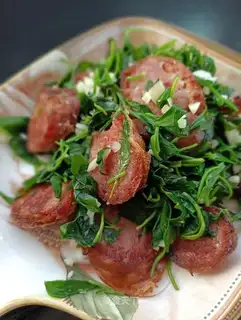
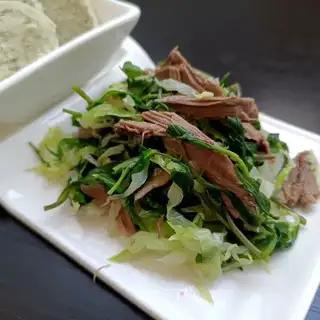
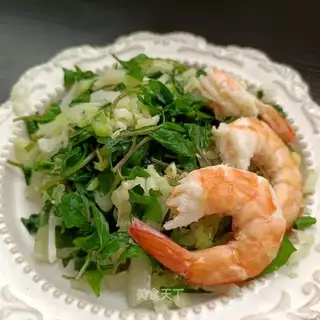
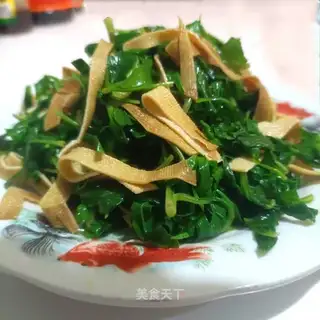
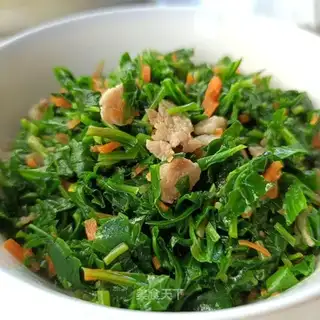
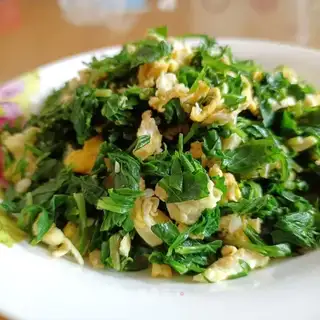
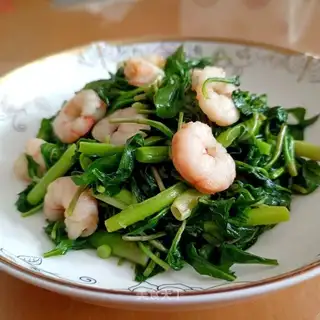
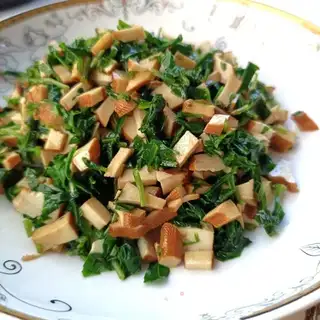
Malantou is typically harvested in early spring when its leaves are tender. In traditional Chinese cuisine, it is most commonly eaten blanched and then seasoned with sesame oil, soy sauce, and garlic—a simple preparation that highlights its fresh, slightly earthy flavor. It is also used in soups, stir-fries, or as a filling for dumplings and buns. In some regions, Malantou is pickled to preserve it for year-round use, a process that may increase its probiotic content while retaining its core nutrients.
To maximize its health benefits, Malantou should be cooked lightly: overcooking can destroy heat-sensitive vitamins like vitamin C. Blanching for 1–2 minutes is sufficient to soften the leaves and remove any bitterness. Combining Malantou with foods rich in healthy fats (e.g., avocado, olive oil) can enhance the absorption of fat-soluble vitamins like beta-carotene.
Precautions and Potential Side Effects
While Malantou is generally safe for most people when consumed in moderation, there are several precautions to keep in mind:
1. Pregnancy and Breastfeeding
Pregnant and breastfeeding women should consult a healthcare provider before consuming large amounts of Malantou. In TCM, it is considered a “cold” food (yin-natured), which may, in excess, lead to digestive discomfort or affect pregnancy. While no large-scale studies have documented risks, moderation is advised.
2. Kidney Stones
Malantou contains oxalates, compounds that can bind to calcium and form kidney stones in susceptible individuals. People with a history of calcium oxalate stones should limit their intake or avoid Malantou altogether. Cooking can reduce oxalate levels, so blanching before consumption is recommended.
3. Drug Interactions
Malantou may have mild diuretic and blood sugar-lowering effects. Individuals taking diuretics or diabetes medications (e.g., insulin, metformin) should monitor their blood pressure and blood sugar levels closely, as combining these with Malantou may enhance their effects.
4. Allergic Reactions
Though rare, some people may be allergic to Malantou, especially those with sensitivities to other plants in the Asteraceae family (e.g., ragweed, chrysanthemums). Symptoms may include itching, rash, or digestive upset. Allergic individuals should avoid Malantou.
5. Moderation is Key
As with any food, excessive consumption of Malantou may lead to imbalances. For example, its high fiber content can cause bloating or diarrhea if eaten in large amounts. A serving of 50–100 grams per meal is sufficient to reap its benefits without adverse effects.
Conclusion
Malantou (Kalimeris indica) is more than just a wild green—it is a nutritional and medicinal treasure with a legacy spanning centuries. Its rich profile of vitamins, minerals, antioxidants, and bioactive compounds makes it a valuable addition to a healthy diet, offering benefits ranging from immune support to chronic disease prevention. While it is generally safe, mindful consumption—especially for pregnant women, those with kidney issues, or individuals on medications—ensures that its advantages are maximized.
As global interest in plant-based, nutrient-dense foods grows, Malantou deserves a place in the spotlight. Whether enjoyed blanched, stir-fried, or pickled, this humble green embodies the harmony of flavor and function, reminding us that nature’s simplest offerings often hold the greatest power to nourish and heal. By incorporating Malantou into our diets, we not only honor ancient traditions but also embrace a path toward better health and wellness.