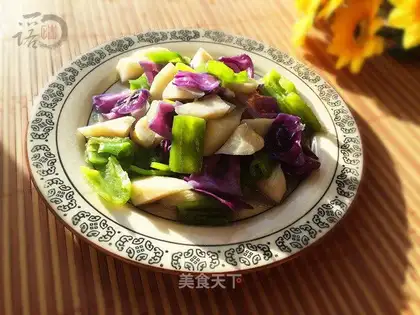
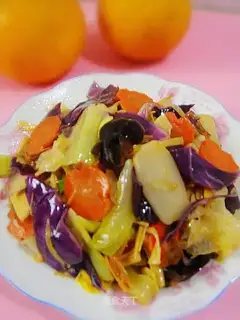
Purple cabbage, also known as red cabbage or purple sauerkraut, is a vibrant and nutrient-dense vegetable belonging to the Brassicaceae family, alongside kale, broccoli, and cauliflower. Its striking purple hue is not just visually appealing but also a testament to its rich concentration of antioxidants and phytochemicals. For centuries, this versatile vegetable has been a staple in various cuisines, from European coleslaws to Asian stir-fries. Today, it is celebrated not only for its culinary flexibility but also for its impressive health-promoting properties. This article explores the nutritional profile of purple cabbage, its diverse health benefits, and important considerations for consumption to maximize its advantages while minimizing potential risks.
I. Nutritional Profile of Purple Cabbage
Purple cabbage is a low-calorie, high-nutrient food that packs a significant amount of vitamins, minerals, fiber, and bioactive compounds into each serving. A 100-gram (about 1 cup, shredded) portion of raw purple cabbage contains approximately:
- Calories: 31 kcal
- Carbohydrates: 7.3 g (including 2.2 g of fiber and 4.8 g of natural sugars)
- Protein: 1.3 g
- Fat: 0.1 g
- Vitamins: Vitamin K (85% of the Daily Value, DV), Vitamin C (59% DV), Vitamin B6 (10% DV), and smaller amounts of folate, vitamin A, and vitamin E.
- Minerals: Manganese (15% DV), potassium (6% DV), calcium (4% DV), and iron (3% DV).
What truly sets purple cabbage apart is its phytochemical content, particularly anthocyanins, the antioxidants responsible for its purple color. These compounds, including cyanidin-3-glucoside and peonidin, give purple cabbage its potent anti-inflammatory, antioxidant, and disease-fighting properties. Additionally, purple cabbage contains glucosinolates—sulfur-containing compounds that break down into bioactive substances like sulforaphane when chopped or chewed, which have been linked to cancer prevention.
II. Health Benefits of Purple Cabbage
The combination of vitamins, minerals, and phytochemicals in purple cabbage contributes to a wide range of health benefits, supported by scientific research.
1. Rich in Antioxidants, Combating Oxidative Stress
Anthocyanins in purple cabbage are powerful antioxidants that neutralize free radicals—unstable molecules that cause cellular damage and contribute to chronic diseases like cancer, heart disease, and aging. A study published in the Journal of Agricultural and Food Chemistry found that purple cabbage contains up to 6–8 times more anthocyanins than green cabbage, making it one of the most antioxidant-rich vegetables available. These compounds also help reduce oxidative stress in the body, lowering the risk of neurodegenerative diseases such as Alzheimer’s and Parkinson’s.
2. Supports Heart Health
Purple cabbage is a heart-healthy food due to its high fiber content and ability to lower cholesterol. The soluble fiber in cabbage binds to bile acids in the digestive system, promoting their excretion and forcing the liver to use blood cholesterol to produce more bile. This process reduces LDL (“bad”) cholesterol levels, a major risk factor for atherosclerosis. Additionally, anthocyanins have been shown to reduce inflammation in blood vessels and improve blood pressure regulation. A 2019 study in The American Journal of Clinical Nutrition found that regular consumption of anthocyanin-rich foods was associated with a 12% lower risk of coronary heart disease.
3. Enhances Digestive Health
With 2.2 grams of fiber per 100 grams, purple cabbage supports digestive health by promoting regular bowel movements and preventing constipation. The fiber also acts as a prebiotic, feeding beneficial gut bacteria like Lactobacillus and Bifidobacterium, which are essential for a healthy gut microbiome. A balanced microbiome is linked to improved immune function, reduced inflammation, and even better mental health. Furthermore, glucosinolates in cabbage break down into compounds that protect the stomach lining from ulcers and inhibit the growth of harmful bacteria like Helicobacter pylori.
4. Boosts Immune Function
Purple cabbage is an excellent source of vitamin C, a crucial nutrient for immune health. Vitamin C stimulates the production of white blood cells, which are responsible for fighting infections, and enhances the function of the skin barrier, preventing pathogens from entering the body. Just one cup of purple cabbage provides nearly 60% of the DV for vitamin C, surpassing the amount found in oranges. Additionally, the vegetable’s vitamin K content supports blood clotting, which is essential for wound healing and immune response.
5. May Reduce Cancer Risk
The glucosinolates in purple cabbage are converted into bioactive compounds like sulforaphane and indole-3-carbinol when the vegetable is chewed or digested. These compounds have been extensively studied for their anti-cancer properties. Sulforaphane, in particular, activates enzymes that detoxify carcinogens and inhibits the growth of cancer cells. Research in Cancer Research suggests that sulforaphane can suppress the proliferation of breast, colon, and prostate cancer cells. Anthocyanins also play a role by reducing inflammation and oxidative stress, both of which are linked to cancer development.
6. Supports Weight Management
Low in calories but high in fiber and water content, purple cabbage is an ideal food for weight management. Fiber promotes satiety, reducing hunger and preventing overeating, while water adds volume to meals without adding calories. A 2015 study in Nutrition Journal found that increasing fiber intake was associated with significant weight loss and improved metabolic health. Including purple cabbage in salads, soups, or stir-fries can help individuals feel full longer, making it easier to maintain a healthy weight.
7. Improves Bone Health
Purple cabbage is a good source of vitamin K and manganese, both of which are vital for bone health. Vitamin K plays a key role in bone mineralization, helping to deposit calcium in the bones and prevent fractures. Manganese, on the other hand, supports the formation of connective tissues and bone matrix. A study in The Journal of Nutrition found that low vitamin K intake is associated with an increased risk of osteoporosis, particularly in postmenopausal women. Regular consumption of purple cabbage can help meet the body’s vitamin K needs and support bone density.
III. Precautions and Potential Side Effects
While purple cabbage is generally safe for most people, certain precautions should be taken to avoid adverse effects.
1. Goitrogenic Effects
Purple cabbage contains goitrogens—compounds that can interfere with thyroid function by inhibiting the uptake of iodine. This is particularly concerning for individuals with pre-existing thyroid conditions, such as hypothyroidism. Cooking purple cabbage can reduce its goitrogenic content, as heat inactivates these compounds. People with thyroid issues should consume it in moderation and prioritize cooked forms over raw.
2. Digestive Discomfort
The high fiber content in purple cabbage may cause bloating, gas, or diarrhea in some individuals, especially those with sensitive digestive systems or irritable bowel syndrome (IBS). To minimize discomfort, start with small portions and gradually increase intake. Soaking chopped cabbage in saltwater before cooking (a process called “salting”) can also reduce its fiber content and make it easier to digest.
3. Blood Thinning Interaction
Purple cabbage is rich in vitamin K, which plays a role in blood clotting. Individuals taking anticoagulant medications, such as warfarin (Coumadin), should maintain consistent vitamin K intake to avoid interactions. Sudden increases or decreases in vitamin K levels can reduce the effectiveness of these medications. It is advisable for such individuals to consult their doctor before making significant changes to their purple cabbage consumption.
4. Pesticide Residues
Conventionally grown purple cabbage may contain pesticide residues, which can pose health risks with long-term exposure. To minimize exposure, choose organic purple cabbage when possible, or wash it thoroughly under running water using a vegetable brush. Peeling the outer leaves can also reduce pesticide residue, as most chemicals accumulate on the surface.
IV. Creative Ways to Incorporate Purple Cabbage into Your Diet
Purple cabbage is incredibly versatile and can be enjoyed in both raw and cooked forms. Here are some ideas to include it in your meals:
- Raw: Add shredded purple cabbage to salads, slaws, or sandwiches for a crunchy texture and vibrant color.
- Fermented: Make purple sauerkraut or kimchi by fermenting shredded cabbage with salt and probiotic-rich vegetables. Fermentation enhances its gut health benefits and increases its bioavailability of nutrients.
- Cooked: Sauté purple cabbage with onions and garlic as a side dish, or add it to soups, stews, and stir-fries. Roasting it with olive oil and spices brings out its natural sweetness.
- Juiced: Blend purple cabbage with other fruits and vegetables (e.g., apples, carrots, ginger) for a nutrient-dense juice.
Conclusion
Purple cabbage is a nutritional powerhouse that offers a wealth of health benefits, from reducing oxidative stress and supporting heart health to aiding digestion and potentially lowering cancer risk. Its high content of anthocyanins, fiber, vitamins, and minerals makes it a valuable addition to a balanced diet. However, like all foods, it should be consumed in moderation, especially by individuals with thyroid issues or those taking blood-thinning medications. By incorporating purple cabbage into meals creatively and being mindful of precautions, you can harness its full potential to enhance your overall health and well-being. Whether raw, cooked, or fermented, this humble vegetable is a delicious and effective way to boost your nutrient intake and promote long-term vitality.