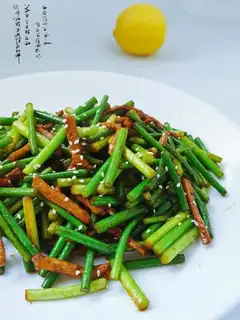
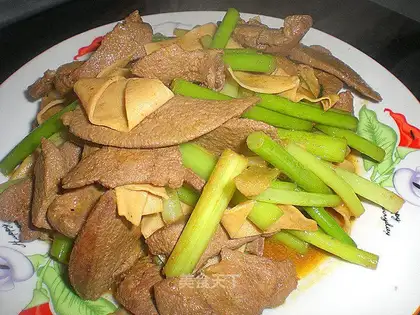
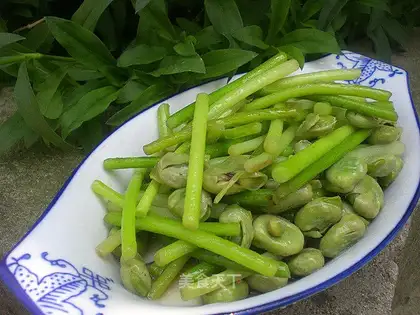
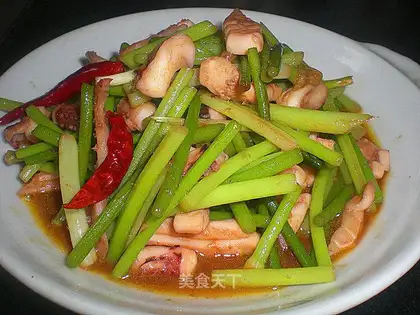
Garlic scapes, the tender, curling flower stalks of hardneck garlic varieties, are a seasonal delicacy often celebrated in spring and early summer. While garlic bulbs have long been revered for their medicinal properties, garlic scapes—an underappreciated part of the plant—offer a unique blend of flavor, nutrition, and health benefits. With a mild, garlicky taste reminiscent of green beans or scallions, these vibrant green stalks have transcended regional cuisines to gain global popularity. This article explores the nutritional profile of garlic scapes, their proven health benefits, and important considerations for safe consumption, highlighting why they deserve a place in a balanced diet.
Nutritional Profile: A Treasure Trove of Essential Nutrients
Garlic scapes are a low-calorie, nutrient-dense food, packed with vitamins, minerals, antioxidants, and bioactive compounds that contribute to overall health. A 100-gram serving of raw garlic scapes (approximately 1 cup, chopped) contains approximately:
- Calories: 30 kcal, making them an ideal choice for weight-conscious diets.
- Carbohydrates: 6–7 grams, including 1–2 grams of fiber, which aids digestion and promotes satiety.
- Protein: 1–2 grams, contributing to muscle repair and maintenance.
- Vitamins:
- Vitamin K: Essential for blood clotting and bone health, garlic scapes provide about 15–20% of the daily recommended intake (DRI) per 100 grams.
- Vitamin C: A powerful antioxidant that supports immune function, skin health, and collagen synthesis, with roughly 15% of the DRI per serving.
- Folate (Vitamin B9): Critical for cell division and DNA synthesis, garlic scapes offer 10–15% of the DRI, benefiting pregnant individuals and overall cellular health.
- Minerals:
- Manganese: A trace mineral involved in metabolism, bone formation, and antioxidant defense, garlic scapes supply 15–20% of the DRI.
- Selenium: Though present in smaller amounts, selenium plays a key role in thyroid function and antioxidant protection.
- Potassium: Important for regulating blood pressure and fluid balance, with 150–200 mg per 100 grams.
- Antioxidants and Bioactive Compounds:
- Allicin and Sulfur Compounds: While garlic bulbs are famous for allicin (formed when alliinase enzymes act on alliin), garlic scapes contain precursors like alliin and S-allyl cysteine (SAC). These compounds have anti-inflammatory, antimicrobial, and cholesterol-lowering properties.
- Flavonoids: Quercetin and kaempferol, abundant in garlic scapes, combat oxidative stress and reduce the risk of chronic diseases.
- Dietary Fiber: Both soluble and insoluble fiber support gut health by feeding beneficial gut bacteria and promoting regular bowel movements.
Health Benefits: Beyond Flavor
The combination of nutrients and bioactive compounds in garlic scapes translates to a range of health benefits, backed by scientific research and traditional use.
1. Cardiovascular Health Support
Garlic scapes are heart-healthy heroes. Their sulfur compounds, particularly allicin and SAC, have been shown to:
- Lower Blood Pressure: By inhibiting angiotensin-converting enzyme (ACE), which constricts blood vessels, garlic scapes help relax arteries and reduce hypertension. A study in the Journal of Nutrition found that regular garlic consumption (including scapes) reduced systolic blood pressure by 5–8 mmHg in hypertensive individuals.
- Reduce Cholesterol: SAC and other compounds decrease LDL (“bad”) cholesterol oxidation and triglyceride levels while increasing HDL (“good”) cholesterol. A meta-analysis in The American Journal of Clinical Nutrition confirmed that garlic supplementation lowers total cholesterol by 10–15% over 1–3 months.
- Prevent Atherosclerosis: Antioxidants in garlic scapes reduce oxidative damage to blood vessels, preventing plaque buildup and improving blood flow.
2. Anti-Inflammatory and Antimicrobial Properties
Chronic inflammation is a root cause of many diseases, including arthritis, diabetes, and cancer. Garlic scapes combat inflammation by:
- Inhibiting Pro-Inflammatory Pathways: Compounds like quercetin suppress the production of cytokines (e.g., TNF-α and IL-6), which drive inflammation.
- Fighting Infections: Allicin and other sulfur compounds exhibit broad-spectrum antimicrobial activity against bacteria (e.g., E. coli, Staphylococcus aureus), fungi, and viruses. Traditional medicine has long used garlic scapes to treat colds, sore throats, and digestive infections.
3. Anticancer Potential
While research is ongoing, garlic scapes show promise in cancer prevention. Their bioactive compounds may:
- Induce Apoptosis: SAC promotes the death of cancer cells (e.g., colon, breast, and liver cancer) while sparing healthy cells.
- Inhibit Metastasis: Flavonoids in garlic scapes block enzymes that allow cancer cells to invade surrounding tissues.
- Detoxify Carcinogens: Antioxidants neutralize free radicals and enhance the activity of detoxifying enzymes like glutathione-S-transferase.
4. Blood Sugar Regulation
For individuals with diabetes or prediabetes, garlic scapes may help stabilize blood sugar levels. Studies suggest that sulfur compounds improve insulin sensitivity by enhancing glucose uptake in cells and reducing insulin resistance. A 2020 study in Phytotherapy Research found that garlic extract reduced fasting blood sugar by 10–15% in diabetic rats, with similar effects observed in human trials using garlic-rich diets.
5. Digestive and Gut Health
The fiber in garlic scapes acts as a prebiotic, nourishing beneficial gut bacteria (e.g., Lactobacillus and Bifidobacterium). A healthy gut microbiome is linked to improved immunity, better mood, and reduced risk of gastrointestinal disorders. Additionally, garlic scapes’ antimicrobial properties help balance gut flora by inhibiting harmful pathogens like Clostridium difficile.
6. Immune System Boost
Garlic scapes’ high vitamin C content, combined with allicin and flavonoids, strengthens the immune system. Vitamin C stimulates white blood cell production, while allicin enhances macrophage activity (cells that engulf pathogens). Regular consumption may reduce the severity and duration of colds and other infections.
Culinary Uses: Versatile and Delicious
Beyond health benefits, garlic scapes are a culinary favorite for their mild, garlicky flavor and crunchy texture. They can be used in numerous ways:
- Raw: Finely chopped and added to salads, salsas, or pesto for a fresh, pungent kick.
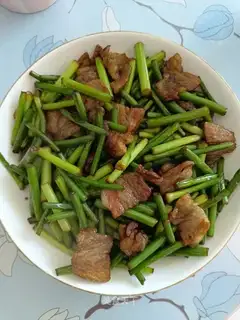
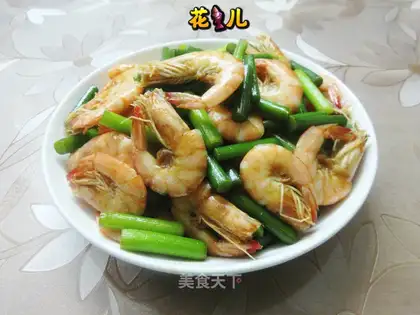
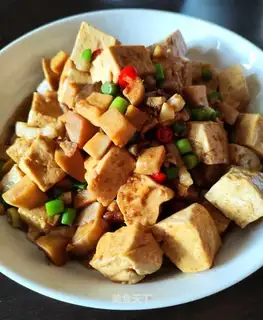
- Sautéed: Stir-fried with vegetables, tofu, or meat as a side dish or main course.
- Grilled or Roasted: Tossed with olive oil and grilled until charred, or roasted with other vegetables for a caramelized flavor.
- Pickled: Preserved in vinegar and spices for a tangy condiment that pairs well with sandwiches and charcuterie.
- Blended: Made into soups, dips (e.g., hummus), or sauces for a creamy, garlicky base.
Their versatility makes them easy to incorporate into meals, whether as a substitute for green beans, asparagus, or scallions.
食用禁忌 (Precautions and Potential Side Effects)
While garlic scapes are generally safe for most people, certain precautions should be taken to avoid adverse effects:
1. Digestive Discomfort
Garlic scapes contain fructans, a type of fermentable fiber that can cause bloating, gas, or diarrhea in individuals with irritable bowel syndrome (IBS) or sensitive digestive systems. Cooking scapes can reduce their fructan content and make them easier to digest.
2. Blood Thinning and Surgery
Garlic’s sulfur compounds have natural anticoagulant (blood-thinning) properties. Individuals taking blood-thinning medications (e.g., warfarin, aspirin) or scheduled for surgery should limit garlic scape consumption to avoid excessive bleeding. A 2019 review in Journal of Thrombosis and Haemostasis warned that high garlic intake may increase bleeding risk when combined with anticoagulants.
3. Allergic Reactions
Though rare, garlic allergies can cause symptoms like hives, itching, or anaphylaxis. Individuals allergic to garlic or other Allium vegetables (onions, leeks) should avoid garlic scapes.
4. Interaction with Medications
Garlic scapes may interact with certain medications, including:
- Hypertension Drugs: Combining garlic with blood pressure-lowering drugs (e.g., ACE inhibitors) may cause excessively low blood pressure.
- Diabetes Medications: Garlic’s blood sugar-lowering effects may enhance the effects of insulin or oral diabetes drugs, increasing the risk of hypoglycemia.
5. Moderation for Pregnant and Breastfeeding Women
While moderate garlic consumption is safe during pregnancy and breastfeeding, excessive intake may cause digestive upset or affect milk flavor. Consulting a healthcare provider is advisable for large quantities.
Conclusion
Garlic scapes are a nutritional powerhouse, offering a wealth of vitamins, minerals, antioxidants, and bioactive compounds that support heart health, reduce inflammation, regulate blood sugar, and boost immunity. Their culinary versatility makes them a delightful addition to a variety of dishes, while their low calorie and high fiber content make them ideal for weight management and digestive health. However, like all foods, moderation is key—individuals with underlying health conditions or those taking medications should exercise caution to avoid potential interactions.
As seasonal produce, garlic scapes remind us of the importance of embracing local, nutrient-rich ingredients. Whether sautéed, pickled, or blended into a sauce, these vibrant green stalks are more than just a culinary trend—they are a testament to the power of whole foods in promoting health and wellness. By understanding their benefits and precautions, we can savor garlic scapes not only for their flavor but for the profound impact they have on our well-being.