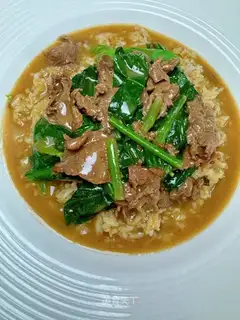
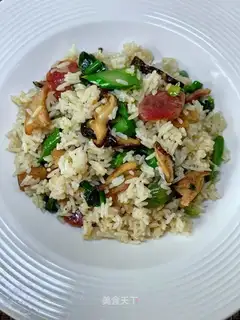
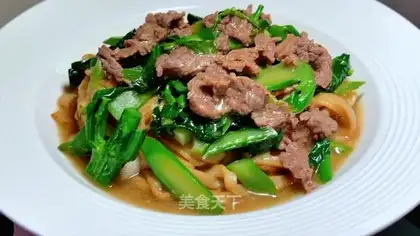
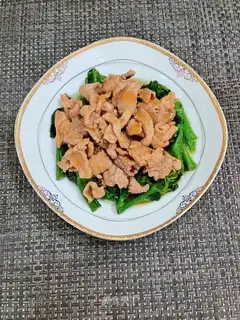
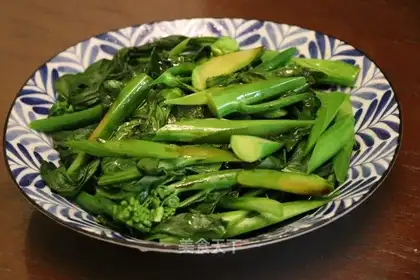
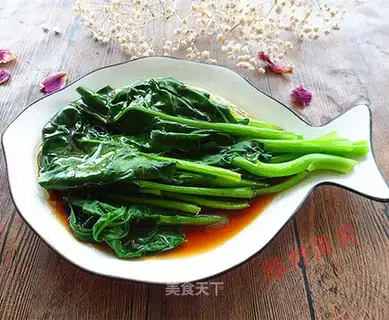
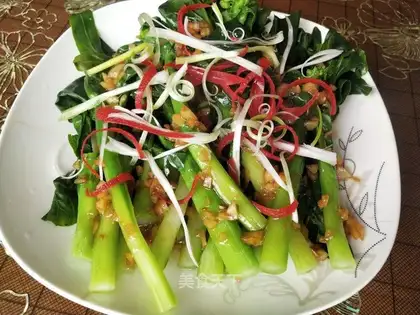
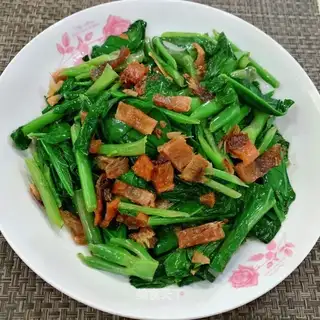
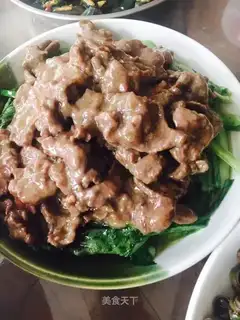
Kai Lan, commonly known as Chinese broccoli or kale in English, is a leafy green vegetable that has long been a staple in Chinese cuisine, particularly in Cantonese cooking. With its thick, succulent stems, glossy blue-green leaves, and slightly bitter yet earthy flavor, kai lan is not only a versatile ingredient in stir-fries, soups, and steamed dishes but also a nutritional powerhouse. This article explores the nutritional profile of kai lan, its extensive health benefits, and important precautions to consider when consuming this vegetable.
I. Nutritional Profile of Kai Lan
Kai Lan belongs to the Brassica oleracea species, the same family as broccoli, cabbage, and kale. Like its relatives, it is rich in vitamins, minerals, fiber, and bioactive compounds, making it an excellent addition to a balanced diet. A 100-gram serving of raw kai lan contains approximately:
1. Vitamins
- Vitamin K: Kai Lan is exceptionally high in vitamin K, providing around 200–300 micrograms (mcg) per 100 grams, which is more than 200% of the daily recommended intake. Vitamin K plays a critical role in blood clotting and bone metabolism, helping to maintain bone density and reduce fracture risk.
- Vitamin C: With about 80–100 mg of vitamin C per 100 grams, kai lan is an outstanding source of this antioxidant. Vitamin C boosts immune function, supports collagen synthesis for skin health, and enhances iron absorption from plant-based sources.
- Vitamin A: Kai Lan contains beta-carotene, a precursor to vitamin A, which is essential for vision, immune health, and cell growth. A 100-gram serving provides roughly 50% of the daily recommended intake of vitamin A.
- Folate (Vitamin B9): This vegetable is a good source of folate, with approximately 100 mcg per 100 grams. Folate is vital for DNA synthesis, cell division, and fetal development, making it particularly important during pregnancy.
2. Minerals
- Calcium: Kai Lan offers around 100–150 mg of calcium per 100 grams, contributing to bone and teeth health. While not as high as dairy products, its calcium content is notable for a vegetable, especially when combined with its high vitamin K, which enhances calcium utilization.
- Iron: With 1–2 mg of iron per 100 grams, kai lan helps prevent iron deficiency anemia. The vitamin C in kai lan further enhances iron absorption, making it a synergistic combination for plant-based diets.
- Potassium: This vegetable provides about 300 mg of potassium per 100 grams, which supports heart health by regulating blood pressure and fluid balance.
3. Fiber and Bioactive Compounds
- Dietary Fiber: Kai Lan contains 2–3 grams of fiber per 100 grams, promoting digestive health by preventing constipation, supporting gut microbiota, and aiding in weight management by increasing satiety.
- Glucosinolates: Like other cruciferous vegetables, kai lan is rich in glucosinolates, sulfur-containing compounds that break down into bioactive molecules such as sulforaphane and indole-3-carbinol when chewed or cooked. These compounds have potent antioxidant, anti-inflammatory, and anti-cancer properties.
- Antioxidants: In addition to vitamins C and A, kai lan contains flavonoids and phenolic acids that neutralize free radicals, reducing oxidative stress and lowering the risk of chronic diseases.
II. Health Benefits of Kai Lan
The impressive nutrient profile of kai lan translates into a wide range of health benefits, supported by scientific research and traditional medicine practices.
1. Supports Bone Health
The combination of vitamin K, calcium, and potassium makes kai lan particularly beneficial for bone health. Vitamin K activates osteocalcin, a protein that binds calcium to the bone matrix, while calcium provides the raw material for bone mineralization. Studies suggest that adequate vitamin K intake may reduce the risk of osteoporosis and fractures, especially in postmenopausal women.
2. Boosts Immune Function
Vitamin C is a key player in immune health, stimulating the production of white blood cells and enhancing their ability to fight pathogens. Kai Lan’s high vitamin C content, combined with its antioxidants, helps strengthen the immune system, reducing the severity and duration of infections like the common cold.
3. Promotes Heart Health
Kai Lan contributes to heart health through multiple mechanisms. Its potassium content helps regulate blood pressure by counteracting the effects of sodium, while fiber lowers LDL (bad) cholesterol levels. Additionally, glucosinolates and antioxidants reduce inflammation and oxidative stress, both of which are risk factors for atherosclerosis and heart disease.
4. Aids in Digestion and Weight Management
The fiber in kai Lan adds bulk to stool, promoting regular bowel movements and preventing digestive issues like constipation. Fiber also slows down digestion, keeping you feeling full longer and reducing overall calorie intake. This makes kai Lan a valuable food for weight management and metabolic health.
5. Potential Anti-Cancer Properties
Cruciferous vegetables like kai Lan are renowned for their anti-cancer effects, largely due to glucosinolates. When broken down, sulforaphane and indole-3-carbinol have been shown to inhibit the growth of cancer cells, particularly in the breast, prostate, colon, and lungs. These compounds detoxify carcinogens, reduce inflammation, and induce apoptosis (programmed cell death) in cancerous cells. While more human studies are needed, regular consumption of kai Lan is associated with a lower risk of certain cancers.
6. Enhances Skin Health
The vitamin C and antioxidants in kai Lan are beneficial for skin health. Vitamin C is essential for collagen production, which maintains skin elasticity and reduces wrinkles. Antioxidants protect the skin from UV damage and pollution, slowing down aging and promoting a radiant complexion.
7. Supports Eye Health
Kai Lan’s beta-carotene content is converted to vitamin A, which is crucial for vision. Vitamin A helps prevent age-related macular degeneration (AMD) and cataracts by protecting the retina from oxidative damage. Additionally, lutein and zeaxanthin, two antioxidants found in kai Lan, accumulate in the eyes and filter harmful blue light.
III. Precautions and Potential Side Effects
While kai Lan is highly nutritious, certain precautions should be taken to maximize its benefits and minimize risks.
1. Goitrogen Content
Kai Lan, like other cruciferous vegetables, contains goitrogens—compounds that can interfere with thyroid function by inhibiting the uptake of iodine. People with iodine deficiency or pre-existing thyroid conditions (e.g., hypothyroidism) should consume kai Lan in moderation. Cooking kai Lan reduces its goitrogen content, making it safer for those with thyroid issues.
2. Blood Thinning Effects
Kai Lan’s high vitamin K content can interact with blood-thinning medications (e.g., warfarin). Vitamin K promotes blood clotting, so sudden changes in intake may reduce the effectiveness of these drugs. Individuals on blood thinners should maintain a consistent vitamin K intake and consult their doctor before significantly increasing kai Lan consumption.
3. Digestive Discomfort
The fiber and sulfur compounds in kai Lan may cause bloating, gas, or stomach upset in some people, especially when consumed in large amounts. Cooking kai Lan can make it easier to digest, and gradually increasing intake can help the body adjust.
4. Pesticide Residues
As a leafy green vegetable, kai Lan may contain pesticide residues if not grown organically. To minimize exposure, wash kai Lan thoroughly under running water or use a vegetable wash. Choosing organic kai Lan further reduces the risk of pesticide ingestion.
5. Oxalates
Kai Lan contains oxalates, compounds that can contribute to kidney stone formation in susceptible individuals. People with a history of kidney stones should limit their intake of high-oxalate foods like kai Lan, especially if consumed raw. Cooking kai Lan reduces oxalate levels.
IV. Conclusion
Kai Lan is a nutrient-dense vegetable that offers a multitude of health benefits, from supporting bone and heart health to boosting immunity and potentially reducing cancer risk. Its rich content of vitamins, minerals, fiber, and bioactive compounds makes it an excellent choice for a healthy diet. However, individuals with thyroid conditions, those on blood-thinning medications, or those prone to digestive issues should consume it in moderation or prepare it appropriately to avoid side effects.
Incorporating kai Lan into meals—whether steamed, stir-fried, or added to soups—can enhance both the flavor and nutritional value of your diet. As with any food, balance and moderation are key. By understanding its benefits and precautions, you can enjoy kai Lan as a delicious and health-promoting staple in your culinary repertoire.