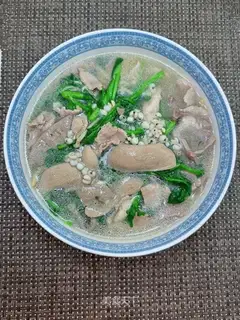
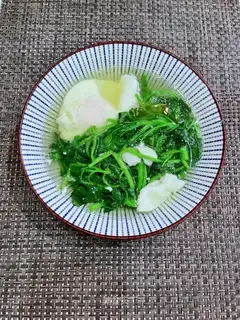
Watercress (Nasturtium officinale), a vibrant green leafy vegetable belonging to the Brassicaceae family, has been valued for centuries for its peppery taste and medicinal properties. Native to Europe and Asia, this aquatic plant now thrives in freshwater streams, rivers, and cultivated beds worldwide. Often hailed as a "superfood," watercress is packed with essential vitamins, minerals, and bioactive compounds that contribute to overall health. This article explores its nutritional profile, health benefits, and important considerations for consumption, providing a comprehensive guide to incorporating this nutrient-dense vegetable into a balanced diet.
Nutritional Profile: A Treasure Trove of Essential Nutrients
Watercress stands out among leafy greens for its exceptional nutritional density. Low in calories yet rich in vital nutrients, it is an excellent addition to weight management diets and a valuable source of micronutrients often lacking in modern diets.
Vitamins
- Vitamin K: Watercress is one of the best dietary sources of vitamin K, with a single 100-gram serving providing approximately 59% of the recommended daily intake (RDI). Vitamin K is crucial for blood clotting, bone metabolism, and vascular health, as it helps regulate calcium deposition in bones and prevents arterial calcification.
- Vitamin C: This vegetable is loaded with vitamin C, offering 72% of the RDI per 100 grams. Vitamin C is a powerful antioxidant that boosts immune function, supports collagen synthesis for skin health, and enhances iron absorption from plant-based sources.
- Vitamin A: As a precursor to retinol, watercress provides beta-carotene, which the body converts into vitamin A. This vitamin is essential for vision, immune function, and cell growth. A 100-gram serving delivers 31% of the RDI, promoting healthy vision and skin.
- B Vitamins: Watercress contains folate (vitamin B9), vital for DNA synthesis, cell division, and fetal development during pregnancy. It also provides smaller amounts of riboflavin (B2), niacin (B3), and pantothenic acid (B5), which play roles in energy metabolism and nervous system function.
Minerals
- Iron: With 0.2 mg of iron per 100 grams, watercress contributes to the production of hemoglobin, which carries oxygen in the blood. When paired with vitamin C (abundant in watercress), iron absorption is significantly enhanced, making it beneficial for individuals with iron deficiency anemia.
- Calcium: Though not as high as dairy products, watercress provides 120 mg of calcium per 100 grams, supporting bone density and teeth health. Its vitamin K content further aids in calcium utilization.
- Potassium: This mineral, found in 330 mg per 100 grams, helps regulate blood pressure, fluid balance, and muscle contractions. Adequate potassium intake is linked to a reduced risk of stroke and heart disease.
- Manganese: Watercress supplies 0.2 mg of manganese per 100 grams, a mineral that acts as a cofactor for enzymes involved in antioxidant defense, bone formation, and metabolism.
Bioactive Compounds
- Antioxidants: Watercress is rich in antioxidants, including glucosinolates, flavonoids (such as quercetin and kaempferol), and vitamin C. These compounds neutralize harmful free radicals, reducing oxidative stress and lowering the risk of chronic diseases.
- Glucosinolates: Unique to cruciferous vegetables, glucosinolates in watercress break down into bioactive compounds like isothiocyanates (e.g., phenethyl isothiocyanate, PEITC) when chewed. These compounds have been studied for their anti-inflammatory, anticancer, and antimicrobial properties.
- Phytochemicals: Watercress contains lutein and zeaxanthin, carotenoids that protect eye health by filtering harmful blue light and reducing the risk of age-related macular degeneration.
Health Benefits: From Disease Prevention to Enhanced Wellness
The combination of vitamins, minerals, and bioactive compounds in watercress confers a wide range of health benefits, supported by scientific research.
1. Cancer Prevention
The isothiocyanates (ITCs) derived from glucosinolates are particularly notable for their chemopreventive effects. Studies suggest that PEITC, abundant in watercress, inhibits the growth of cancer cells by inducing apoptosis (programmed cell death) and blocking tumor angiogenesis (the formation of new blood vessels that feed tumors). Research published in the British Journal of Nutrition found that consuming watercress reduced DNA damage in blood cells within hours of ingestion, highlighting its potential to protect against carcinogen exposure. It may be especially effective against breast, lung, and colon cancers.
2. Cardiovascular Health
Watercress supports heart health through multiple mechanisms. Its high potassium content helps lower blood pressure by counteracting the effects of sodium, while its vitamin K prevents arterial calcification, reducing the risk of atherosclerosis. Additionally, the antioxidants in watercress reduce LDL ("bad") cholesterol oxidation and inflammation in blood vessels, lowering the risk of heart disease. A study in the American Journal of Clinical Nutrition showed that daily consumption of watercress improved arterial flexibility and reduced cardiovascular risk factors in healthy adults.
3. Bone Health
The synergy of vitamin K, calcium, and manganese in watercress makes it a boon for bone health. Vitamin K activates osteocalcin, a protein that binds calcium to bones, enhancing strength and density. This is particularly important for postmenopausal women, who are at higher risk of osteoporosis due to declining estrogen levels. Regular consumption of watercress may help maintain bone mineral density and reduce fracture risk.
4. Immune Function
Vitamin C and other antioxidants in watercress bolster the immune system by stimulating the production of white blood cells and protecting them from oxidative damage. Its anti-inflammatory properties further support immune balance, helping the body fight infections more effectively. A 100-gram serving of watercress provides more than half the RDI of vitamin C, making it a valuable natural remedy for colds and respiratory infections.
5. Weight Management
Low in calories (just 22 kcal per 100 grams) and high in water and fiber, watercress is an ideal food for weight loss. Fiber promotes satiety, reducing overall calorie intake, while its nutrient density ensures the body receives essential vitamins and minerals during calorie restriction. Studies suggest that incorporating low-calorie, nutrient-dense foods like watercress into meals can enhance weight loss outcomes and improve metabolic health.
6. Skin and Hair Health
The vitamin A and C content in watercress supports skin repair and rejuvenation. Vitamin A promotes cell turnover, preventing acne and dryness, while vitamin C stimulates collagen production, keeping skin firm and elastic. Additionally, the antioxidants protect skin from UV damage and pollution, reducing signs of aging. For hair, iron and vitamin K ensure proper blood circulation to the scalp, supporting hair growth and strength.
7. Detoxification and Liver Health
Watercress has long been used in traditional medicine for its detoxifying properties. The isothiocyanates in watercress support liver function by enhancing the activity of phase II detoxification enzymes, which neutralize and eliminate toxins from the body. This process helps reduce the burden on the liver and may protect against toxin-induced damage.
食用禁忌 (Consumption Precautions)
While watercress is highly nutritious, certain precautions must be taken to avoid adverse effects, particularly for vulnerable populations.
1. Goitrogenic Effects
Watercress contains goitrogens, compounds that can interfere with thyroid function by inhibiting iodine uptake. In individuals with iodine deficiency or pre-existing thyroid conditions (e.g., hypothyroidism), excessive consumption may exacerbate thyroid dysfunction. Cooking watercress reduces its goitrogenic activity, making it safer for those with thyroid issues. Moderate consumption (1–2 servings per week) is generally safe for healthy individuals.
2. Blood-Thinning Medications
Due to its high vitamin K content, watercress can interact with blood-thinning medications like warfarin. Vitamin K promotes blood clotting, and sudden changes in its intake may reduce the effectiveness of anticoagulants. Individuals on such medications should maintain consistent vitamin K levels and consult their doctor before adding watercress to their diet.
3. Kidney Stones
Watercress is high in oxalates, compounds that can contribute to the formation of calcium oxalate kidney stones in susceptible individuals. Those with a history of kidney stones should limit their intake and ensure adequate hydration to reduce oxalate concentration in urine.
4. Pesticide Residues
As a leafy green, watercress may accumulate pesticide residues if grown conventionally. Choosing organic watercress or thoroughly washing it under running water can minimize exposure to harmful chemicals.
5. Pregnancy and Breastfeeding
While watercress is safe in moderation during pregnancy, excessive consumption should be avoided due to its potential uterine-stimulating effects. Pregnant women and breastfeeding mothers should consult their healthcare provider before incorporating large amounts into their diet.
Conclusion
Watercress is a nutritional powerhouse that offers a myriad of health benefits, from cancer prevention and heart health to immune support and weight management. Its rich profile of vitamins, minerals, and bioactive compounds makes it a valuable addition to a balanced diet. However, like all foods, it should be consumed in moderation, with attention to individual health conditions such as thyroid disorders, kidney issues, or medication interactions. Whether enjoyed raw in salads, blended into smoothies, or cooked in soups and stir-fries, watercress is a versatile and delicious way to enhance overall health and well-being. By understanding its nutritional value and precautions, individuals can harness the full potential of this "superfood" to thrive.