Introduction
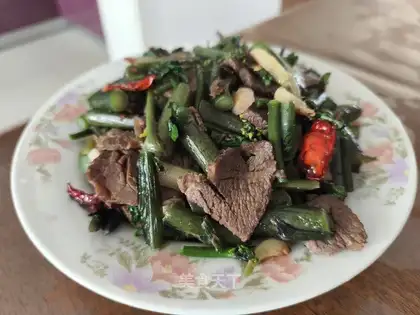
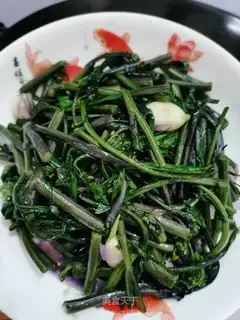
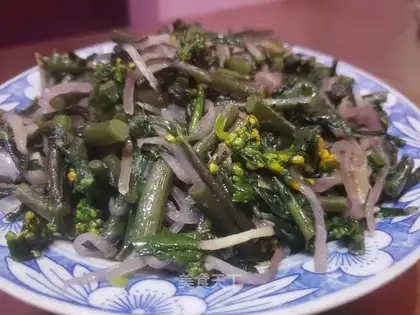
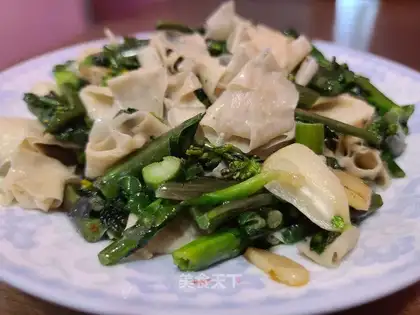
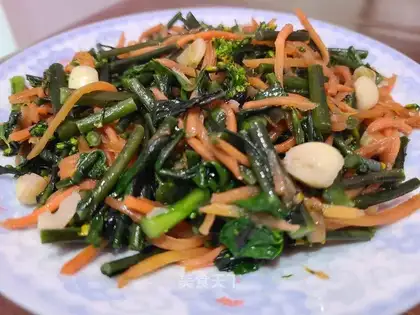
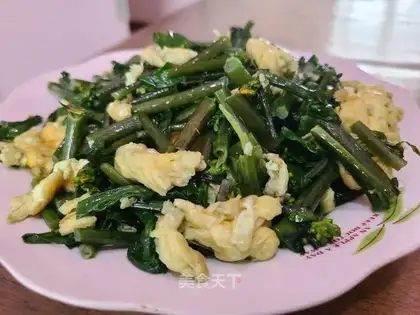
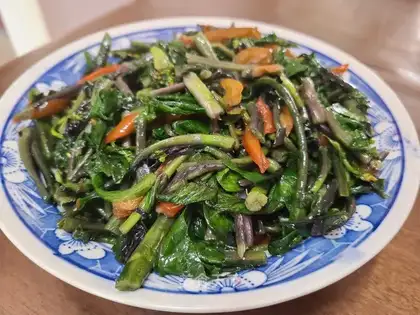
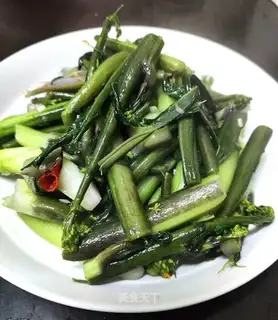
In the diverse landscape of Chinese cuisine, certain ingredients stand out not only for their unique flavors but also for their remarkable health properties. Hong Cai Tai (红菜苔), literally "red vegetable stalk," is a winter delicacy native to the Hubei province, particularly renowned in Wuhan. As a tender, purple-tinged stalk with dark green leaves, it has been a staple in Chinese diets for centuries, cherished for its crisp texture, subtle sweetness, and versatility in stir-fries, soups, and salads. Beyond its culinary appeal, Hong Cai Tai is a nutritional powerhouse, packed with vitamins, minerals, antioxidants, and bioactive compounds that offer a range of health benefits. This article explores the nutritional profile, health-promoting properties, and important precautions associated with consuming Hong Cai Tai, providing a comprehensive guide for this underappreciated superfood.
Nutritional Profile of Hong Cai Tai
Hong Cai Tai belongs to the Brassicaceae family, which also includes broccoli, kale, and cabbage. Its nutritional composition is a testament to its classification as a functional food, offering a dense array of essential nutrients while being low in calories. A 100-gram serving of fresh Hong Cai Tai (approximately 1 cup, chopped) contains roughly 30–35 calories, making it an excellent choice for weight management diets.
Macronutrients
- Carbohydrates: Primarily complex carbohydrates, providing sustained energy without spiking blood sugar levels.
- Dietary Fiber: Rich in both soluble and insoluble fiber (about 2–3 grams per 100 grams), which supports digestive health, promotes satiety, and aids in blood sugar regulation.
- Protein: While not a high-protein food, it contains a modest 1.5–2 grams per 100 grams, contributing to daily protein intake, especially in plant-based diets.
Micronutrients
- Vitamins:
- Vitamin C: A potent antioxidant, Hong Cai Tai provides approximately 50–60 milligrams per 100 grams, exceeding the daily requirement for adults (which is 75–90 milligrams). Vitamin C is essential for immune function, collagen synthesis, and iron absorption.
- Vitamin K: Critical for blood clotting and bone health, with around 100–120 micrograms per 100 grams (about 100% of the daily recommended intake).
- Vitamin A: In the form of beta-carotene, which the body converts to retinol, supporting vision, immune health, and cell growth.
- Folate (Vitamin B9): Important for DNA synthesis and cell division, with 40–50 micrograms per 100 grams, particularly beneficial during pregnancy.
- Minerals:
- Calcium: Supports bone and teeth health, with 50–60 milligrams per 100 grams, though absorption is enhanced by its vitamin C content.
- Iron: Essential for oxygen transport in the blood, with 0.5–0.8 milligrams per 100 grams. The vitamin C in Hong Cai Tai enhances non-heme iron absorption, making it a valuable food for vegetarians and vegans.
- Potassium: Regulates blood pressure and fluid balance, with 200–250 milligrams per 100 grams.
- Magnesium: Supports muscle and nerve function, with 20–30 milligrams per 100 grams.
Bioactive Compounds
Hong Cai Tai’s most impressive attributes lie in its phytochemicals, which contribute to its antioxidant and anti-inflammatory effects:
- Anthocyanins: The purple-red hue of Hong Cai Tai is due to anthocyanins, flavonoid antioxidants that combat oxidative stress, reduce inflammation, and may lower the risk of chronic diseases.
- Glucosinolates: Compounds unique to Brassica vegetables, glucosinolates break down into isothiocyanates (e.g., sulforaphane) when chewed or cooked. These compounds have been studied for their anti-cancer properties, particularly in inhibiting tumor growth and detoxifying carcinogens.
- Flavonoids: Such as quercetin and kaempferol, which exhibit antioxidant, anti-allergic, and anti-inflammatory effects.
Health Benefits of Hong Cai Tai
The combination of vitamins, minerals, and bioactive compounds in Hong Cai Tai translates to a range of evidence-based health benefits, from boosting immunity to supporting chronic disease prevention.
1. Enhances Immune Function
Vitamin C is the cornerstone of immune health, stimulating the production and activity of white blood cells, which are the body’s primary defense against pathogens. A single serving of Hong Cai Tai can provide over 50% of the daily vitamin C requirement, helping to reduce the severity and duration of colds and infections. Additionally, its vitamin A content supports mucosal immunity, protecting the respiratory and digestive tracts from pathogens.
2. Supports Digestive Health
The high fiber content in Hong Cai Tai promotes regular bowel movements by adding bulk to stool and feeding beneficial gut bacteria. Soluble fiber forms a gel-like substance in the gut, which slows digestion and helps regulate blood sugar, while insoluble fiber adds bulk, preventing constipation. Moreover, glucosinolates and their breakdown products (isothiocyanates) have been shown to modulate gut microbiota, reducing the growth of harmful bacteria like Helicobacter pylori, which is linked to gastritis and ulcers.
3. Reduces Chronic Disease Risk
- Antioxidant and Anti-Inflammatory Effects: Anthocyanins and flavonoids in Hong Cai Tai neutralize free radicals, unstable molecules that cause oxidative stress and damage cells, contributing to aging and diseases like cancer, heart disease, and diabetes. Studies suggest that regular consumption of anthocyanin-rich foods may lower the risk of cardiovascular events by improving blood vessel function and reducing LDL (“bad”) cholesterol oxidation.
- Anti-Cancer Properties: Sulforaphane, derived from glucosinolates, activates phase II detoxification enzymes in the liver, which neutralize carcinogens. Research indicates that sulforaphane inhibits the growth of cancer cells, particularly in the breast, prostate, and colon, by inducing apoptosis (programmed cell death) and blocking angiogenesis (the formation of new blood vessels that feed tumors).
- Blood Sugar Regulation: Fiber and vitamin C work synergistically to stabilize blood sugar levels. Fiber slows carbohydrate absorption, preventing spikes in blood glucose, while vitamin C improves insulin sensitivity, enhancing the body’s ability to use glucose effectively. This makes Hong Cai Tai a valuable food for individuals with type 2 diabetes or those at risk.
4. Promotes Bone Health
Vitamin K is essential for bone metabolism, as it activates osteocalcin, a protein that binds calcium to bones, increasing bone density. Hong Cai Tai’s high vitamin K content, combined with calcium and magnesium, makes it beneficial for preventing osteoporosis, especially in postmenopausal women who are at higher risk of bone loss.
5. Supports Weight Management
Low in calories and high in fiber and water, Hong Cai Tai is an ideal food for weight control. Fiber promotes satiety, reducing overall calorie intake, while its high water content (over 90%) adds volume without adding calories. Additionally, its micronutrient profile ensures that even when consumed in moderation, it provides essential nutrients, preventing nutrient deficiencies during calorie restriction.
Precautions and Potential Side Effects
While Hong Cai Tai is a highly nutritious food, certain precautions should be taken to maximize its benefits and minimize risks, particularly for individuals with specific health conditions.
1. Goitrogen Content
Like other Brassica vegetables (e.g., broccoli, cabbage), Hong Cai Tai contains goitrogens—compounds that can interfere with thyroid function by inhibiting the uptake of iodine, a critical component of thyroid hormones. While cooking significantly reduces goitrogen levels, individuals with hypothyroidism or iodine deficiency should consume Hong Cai Tai in moderation (2–3 times per week) and ensure adequate iodine intake from sources like iodized salt or seafood.
2. Oxalates and Kidney Stones
Hong Cai Tai contains moderate levels of oxalates, natural compounds that can bind to calcium and form oxalate kidney stones in susceptible individuals. Those with a history of kidney stones should limit their intake and ensure adequate hydration to promote oxalate excretion. Cooking the vegetable can also reduce oxalate levels by 10–15%.
3. Pesticide Residues
As a non-organic vegetable, Hong Cai Tai may be treated with pesticides to enhance growth and prevent pest damage. To minimize exposure, it is advisable to wash the stalks thoroughly under running water or soak them in a solution of water and vinegar (1:3 ratio) for 10–15 minutes before consumption. Opting for organic varieties, when possible, further reduces pesticide risk.
4. Blood Thinning Medications
Due to its high vitamin K content, individuals taking blood-thinning medications (e.g., warfarin) should maintain consistent intake of Hong Cai Tai to avoid sudden fluctuations in vitamin K levels, which can affect medication efficacy. A sudden increase in vitamin K may counteract the effects of anticoagulants, raising the risk of blood clots.
5. Digestive Discomfort
While fiber is beneficial for digestion, a sudden increase in fiber intake (e.g., consuming large amounts of raw Hong Cai Tai) may cause bloating, gas, or abdominal discomfort, especially in individuals with irritable bowel syndrome (IBS) or sensitive digestive systems. Cooking the vegetable and introducing it gradually into the diet can mitigate these effects.
Culinary Uses and Preparation Tips
To preserve Hong Cai Tai’s nutritional value and enhance its flavor, proper preparation is key:
- Selecting Fresh Stalks: Choose stalks that are firm, crisp, and vibrant in color (deep purple stalks with bright green leaves). Avoid wilted or yellowing stems, which indicate age or nutrient loss.
- Washing and Storage: Rinse under cold running water and pat dry. Store in a plastic bag in the refrigerator for up to 5 days to maintain freshness.
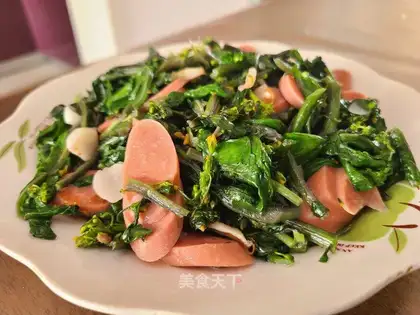
- Cooking Methods: Light cooking (e.g., stir-frying, steaming, or blanching) preserves most nutrients while reducing goitrogens and oxalates. Avoid overcooking, as it can diminish vitamin C and texture. A simple stir-fry with garlic and ginger enhances flavor without adding excessive calories.
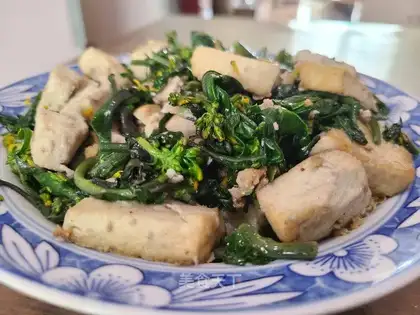
- Pairings: Complements lean proteins (e.g., chicken, tofu), whole grains (e.g., brown rice, quinoa), and other vegetables (e.g., mushrooms, carrots). It can also be added to soups or salads for a nutrient boost.
Conclusion
Hong Cai Tai is more than just a winter delicacy—it is a nutritional and medicinal treasure offering a host of health benefits. From its immune-boosting vitamin C to its anti-cancer glucosinolates, this humble vegetable exemplifies the power of whole foods in promoting wellness. While precautions are necessary for individuals with thyroid issues, kidney problems, or those on blood thinners, incorporating Hong Cai Tai into a balanced diet can significantly enhance nutrient intake and reduce the risk of chronic diseases. As research continues to uncover the therapeutic potential of phytochemicals, Hong Cai Tai is poised to gain recognition as a global superfood, bridging the gap between traditional cuisine and modern nutrition. By understanding its benefits and limitations, we can fully harness the power of this vibrant vegetable to support health and longevity.