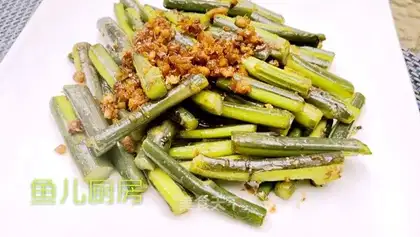
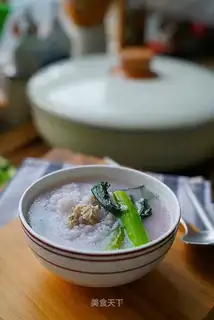
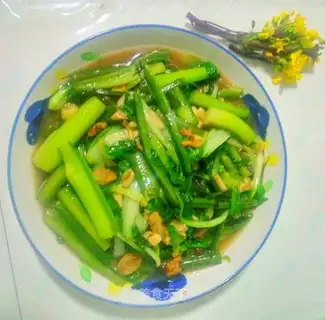
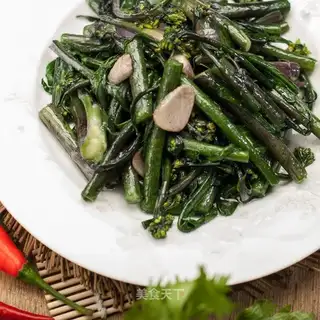
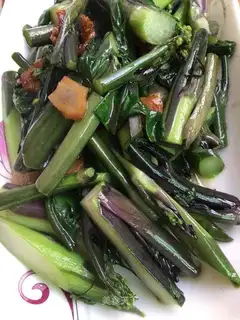
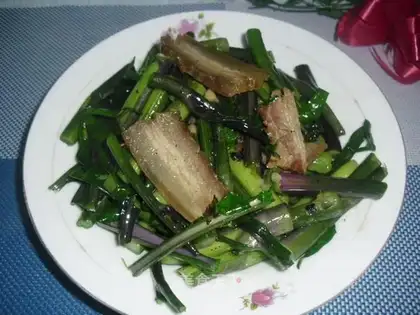
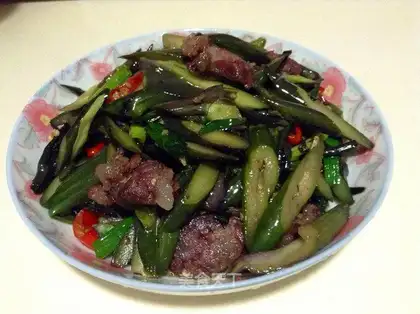
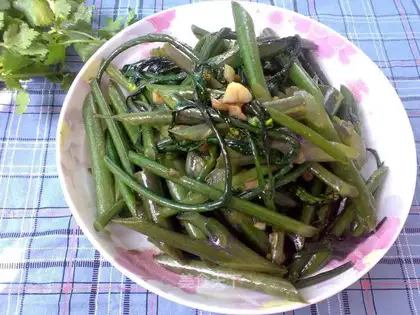
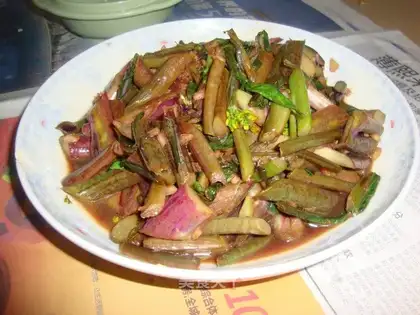
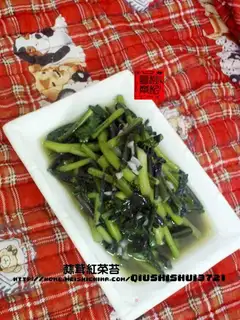
The red cuisine mosses are known for the special purple red on the surface of the leaf veins and rods, formerly known as “Violet moss”. As long ago as Tang Dynasty, the cuisine moss was famous and was once the specialty of a tribute to the Emperor in the north of the lake. However, it is alleged that the Sudong Po brothers and sisters, while travelling in the crane building, stayed for a few more days waiting for them to be listed for food. In the Land of Hubei Villages of 1907, Tsui Xuanhua used the red moss and the coal of the saddles, and the beauty of the yellow beak head. At such a price, the vegetables are unique. Which part of the gravy is the best? The sprouts, the poles, the leaves? Fish Kitchen makes two dishes in different parts of the red moss, and it's up to the eaters to decide which is good. Zenium
The cuisine moss, also known as violet moss, lasagna, yellow flowers. The mosaics are rich, and contain calcium, phosphorus, iron, carrots. It's from Wuhan. It's only available in winter, and it's soft, and it's usually about 4 centimetres in hand, and it's a small part. Winter moss is the most common food in the family.