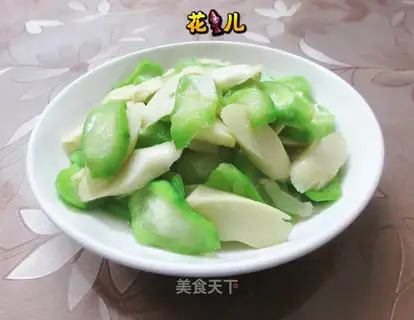
Bamboo shoots, the tender, sprouting culms of bamboo plants, have been a staple in Asian cuisines for millennia, prized for their crisp texture, subtle earthy flavor, and versatility in dishes ranging from stir-fries to soups. Among the various types of bamboo shoots, whip bamboo shoots (scientifically known as Pleioblastus amarus or Pseudosasa amabilis), often called "bamboo shoots" in culinary contexts, stand out for their unique nutritional profile and health-promoting properties. This article explores the nutritional value of bamboo shoots, their diverse health benefits, and important considerations for safe consumption.
I. Nutritional Value of Bamboo Shoots
Bamboo shoots are a low-calorie, nutrient-dense food, making them an excellent addition to a balanced diet. Their nutritional composition is rich in essential vitamins, minerals, fiber, and bioactive compounds, while being notably low in fat and carbohydrates.
1. Low in Calories and High in Fiber
A 100-gram serving of cooked bamboo shoots contains approximately 20–30 calories, with less than 0.5 grams of fat and 5 grams of carbohydrates. The majority of these carbohydrates come from dietary fiber, which accounts for 2–3 grams per serving. Fiber is crucial for digestive health, as it adds bulk to stool, promotes regular bowel movements, and supports the growth of beneficial gut bacteria. Additionally, high-fiber foods like bamboo shoots help increase satiety, aiding in weight management by reducing overall calorie intake.
2. Rich in Essential Vitamins
Bamboo shoots are a good source of several B vitamins, which play key roles in energy metabolism and nervous system function. Notably, they contain:
- Vitamin B6: Important for brain development and neurotransmitter synthesis.
- Niacin (Vitamin B3): Supports energy production and skin health.
- Folate (Vitamin B9): Essential for DNA synthesis and cell division, particularly important during pregnancy.
- Thiamine (Vitamin B1): Helps convert food into energy and supports nerve function.
They also provide small amounts of vitamin C, an antioxidant that boosts immune function and aids in collagen production, though levels are lower than in fruits like oranges or strawberries.
3. Packed with Minerals
Bamboo shoots are a rich source of essential minerals, including:
- Potassium: A critical electrolyte that regulates blood pressure, fluid balance, and muscle contractions. A 100-gram serving provides around 500–600 mg of potassium, more than a banana.
- Copper: Supports iron absorption, immune function, and the formation of red blood cells.
- Manganese: Plays a role in bone formation, metabolism, and antioxidant defense.
- Iron: Essential for oxygen transport in the blood and preventing anemia.
- Phosphorus: Works with calcium to build strong bones and teeth.
4. Bioactive Compounds
One of the most notable components of bamboo shoots is bamboo shoot fiber (BSF), a type of dietary fiber that has been studied for its prebiotic effects. BSF promotes the growth of probiotics in the gut, such as Lactobacillus and Bifidobacterium, which enhance digestive health and immune function.
Additionally, bamboo shoots contain phenolic compounds and flavonoids, which exhibit antioxidant properties. These compounds neutralize harmful free radicals, reducing oxidative stress and lowering the risk of chronic diseases like heart disease and cancer. Some studies have also identified glycosides in bamboo shoots, which may have anti-inflammatory and anti-cancer potential.
II. Health Benefits of Bamboo Shoots
The unique nutritional profile of bamboo translates into a range of health benefits, from improved digestion to chronic disease prevention.
1. Supports Digestive Health
The high fiber content in bamboo shoots makes them a boon for digestive health. Fiber adds bulk to stool, preventing constipation and promoting regular bowel movements. Moreover, the prebiotic fibers in bamboo shoots serve as food for beneficial gut bacteria, fostering a healthy gut microbiome. A balanced gut microbiome is linked to better immune function, reduced inflammation, and even improved mood.
2. Aids in Weight Management
Bamboo shoots are an ideal food for weight loss and weight maintenance. Their low calorie and high fiber content help control hunger by slowing digestion and increasing satiety. This reduces the likelihood of overeating and helps individuals adhere to a calorie-controlled diet. Additionally, bamboo shoots are naturally low in fat, making them a healthier alternative to higher-calorie vegetables like potatoes or corn.
3. Regulates Blood Pressure and Promotes Heart Health
Bamboo shoots are an excellent source of potassium, a mineral that helps counteract the effects of sodium in the diet. High sodium intake is a major risk factor for hypertension (high blood pressure), and potassium helps relax blood vessels, reducing strain on the cardiovascular system. Studies have shown that diets rich in potassium are associated with a lower risk of stroke and heart disease.
Furthermore, bamboo shoots contain phytosterols, plant compounds that inhibit the absorption of cholesterol in the gut. By lowering LDL ("bad") cholesterol levels, phytosterols help reduce the risk of atherosclerosis (hardening of the arteries) and other heart-related conditions.
4. Enhances Immune Function
The combination of vitamin C, antioxidants, and prebiotics in bamboo shoots supports a robust immune system. Vitamin C stimulates the production of white blood cells, which are responsible for fighting infections. Antioxidants like phenolic compounds protect immune cells from damage caused by free radicals, ensuring they function optimally. A healthy gut microbiome, supported by bamboo shoot prebiotics, also plays a critical role in immune regulation, as 70% of the immune system is located in the gut.
5. Anti-Inflammatory and Anti-Cancer Properties
Chronic inflammation is a underlying factor in many diseases, including diabetes, heart disease, and cancer. Bamboo shoots contain anti-inflammatory compounds such as flavonoids and glycosides, which help reduce inflammation in the body. For example, a study published in the Journal of Agricultural and Food Chemistry found that bamboo shoot extracts inhibited the production of pro-inflammatory cytokines, molecules that drive inflammation.
Regarding cancer, some research suggests that bamboo shoot extracts may have anti-cancer effects. Test-tube and animal studies have shown that certain compounds in bamboo shoots, such as lignans and phenolics, can inhibit the growth of cancer cells and induce apoptosis (programmed cell death) in breast, liver, and colon cancer cells. However, more human studies are needed to confirm these findings.
6. Supports Bone Health
Bamboo shoots are a good source of manganese and phosphorus, two minerals essential for bone health. Manganese is a cofactor for enzymes involved in bone formation, while phosphorus works with calcium to build and maintain strong bones. Adequate intake of these minerals can help prevent osteoporosis, a condition characterized by weak and brittle bones, particularly in older adults.
III. Precautions and Potential Side Effects
While bamboo shoots are highly nutritious, they require proper preparation to avoid potential health risks. Raw or improperly processed bamboo shoots contain toxic compounds that can cause adverse effects.
1. Cyanide Toxicity
Raw bamboo shoots contain cyanogenic glycosides, compounds that release cyanide when ingested. Cyanide is a toxic substance that can interfere with cellular respiration, leading to symptoms such as nausea, vomiting, dizziness, and in severe cases, respiratory failure. To remove cyanogenic glycosides, bamboo shoots must be thoroughly cooked. Boiling, steaming, or fermenting bamboo shoots for at least 20–30 minutes effectively reduces cyanide levels to safe levels.
2. Anti-Nutrients
Bamboo shoots also contain tannins and oxalates, anti-nutrients that can inhibit the absorption of minerals like iron and calcium. While the levels of these compounds are relatively low in cooked bamboo shoots, individuals with mineral deficiencies or kidney problems should consume them in moderation. Soaking bamboo shoots in water before cooking can further reduce tannin and oxalate content.
3. Allergic Reactions
Although rare, some people may be allergic to bamboo shoots. Symptoms of an allergic reaction can include itching, hives, swelling, or difficulty breathing. Individuals with a known allergy to bamboo or other grasses should avoid consuming bamboo shoots.
4. Moderation for Specific Populations
- Pregnant and Breastfeeding Women: While bamboo shoots are generally safe when cooked, pregnant and breastfeeding women should consume them in moderation due to limited research on their safety during these stages.
- Individuals with Kidney Problems: Bamboo shoots are moderately high in potassium, which can be harmful for people with kidney disease who cannot excrete excess potassium. Such individuals should consult a healthcare provider before including bamboo shoots in their diet.
IV. Culinary Uses and Preparation Tips
To safely enjoy the nutritional benefits of bamboo shoots, proper preparation is key. Here are some tips for selecting, storing, and cooking bamboo shoots:
1. Selecting Fresh Bamboo Shoots
Choose bamboo shoots that are firm, crisp, and free from blemishes or mold. Fresh bamboo shoots should have a pale yellow or light brown color; avoid those with a slimy texture or strong odor, as these signs indicate spoilage. Canned or dried bamboo shoots are also widely available and are a convenient option, but they may contain added salt or preservatives.
2. Preparation Steps
- Peeling: Remove the tough outer layers of the bamboo shoot until you reach the tender inner core.
- Slicing or Shredding: Cut the bamboo shoot into thin slices or shreds, depending on the recipe.
- Cooking: Boil the bamboo shoot in water for 20–30 minutes to remove cyanogenic glycosides and anti-nutrients. Adding a pinch of salt to the water can enhance the removal of toxins.
3. Culinary Applications
Bamboo shoots are incredibly versatile in cooking. They can be:
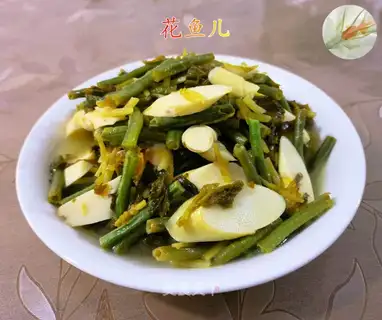
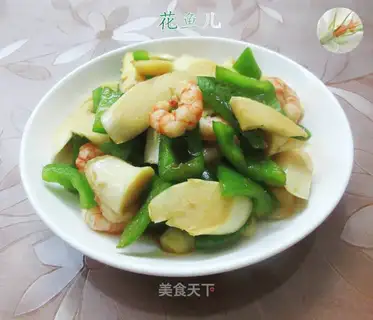
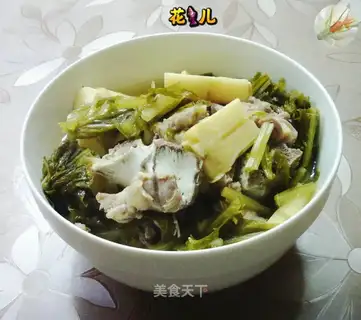
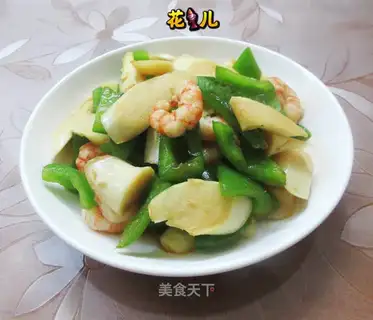
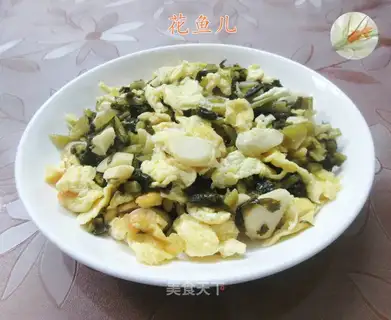
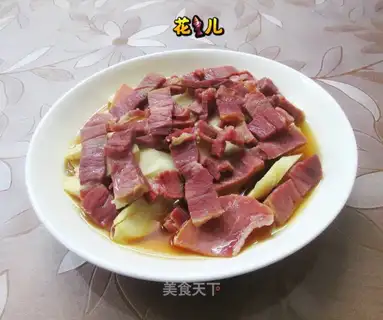
- Stir-fried with vegetables, meat, or tofu.
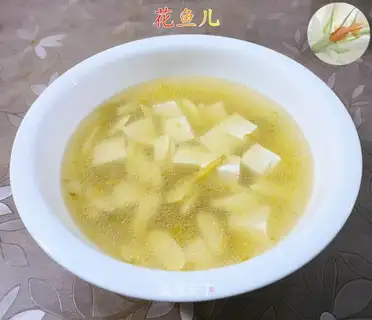
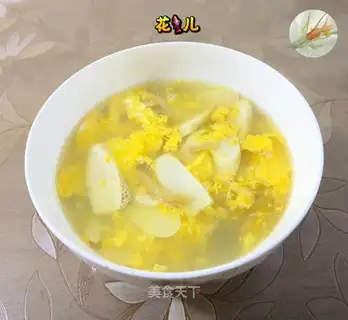
- Added to soups, stews, or curries.
- Pickled for a tangy side dish.
- Used as a topping for salads or noodle dishes.
In Chinese cuisine, bamboo shoots are a key ingredient in dishes like Bamboo Shoot Pork Soup (Sǔn Rǔ Tāng) and Kung Pao Chicken. In Japanese cuisine, they are used in nimono (simmered dishes) and sushi. In Southeast Asia, they are often added to coconut milk-based curries.
Conclusion
Bamboo shoots are a nutritional powerhouse, offering a wealth of vitamins, minerals, fiber, and bioactive compounds that support digestive health, weight management, heart health, and immune function. Their low calorie and high nutrient density make them an excellent choice for individuals looking to maintain a healthy diet. However, proper preparation is essential to avoid the risks associated with raw or undercooked bamboo shoots, such as cyanide toxicity. By following safe cooking practices and consuming bamboo shoots in moderation, people can enjoy their unique flavor and reap their numerous health benefits. As more research continues to uncover their therapeutic potential, bamboo shoots are likely to remain a valued ingredient in global cuisine for generations to come.