Introduction
Chinese cabbage, commonly known as bok choy or yu choy, is a leafy green vegetable that has been a staple in Asian cuisine for centuries. Among its many varieties, bai cai (literally "white vegetable"), or napa cabbage, and xiaobaicai (small Chinese cabbage, often referred to as "baby bok choy") are particularly popular. While often overshadowed by its more famous cousin, napa cabbage, xiaobaicai—sometimes translated as "baby bok choy" or "Shanghai cabbage"—is a nutrient-dense, versatile vegetable that has gained global recognition for its mild flavor, tender texture, and impressive health benefits. This article explores the nutritional profile, health-promoting properties, and potential precautions associated with consuming xiaobaicai, shedding light on why this humble green deserves a place in a balanced diet.
Nutritional Profile of Xiaobaicai
Xiaobaicai belongs to the Brassica rapa subspecies chinensis, a family of cruciferous vegetables that includes broccoli, kale, and mustard greens. Its nutritional composition is a testament to its status as a "functional food"—a whole food that offers more than just basic nutrition, providing compounds that support health and prevent disease.
Macronutrients
A 100-gram serving of raw xiaobaicai (approximately 1 cup, chopped) contains roughly:
- Calories: 13 kcal
- Protein: 1.5 grams
- Carbohydrates: 2.2 grams (including 1.6 grams of fiber)
- Fat: 0.2 grams
With its low calorie and high water content (over 95%), xiaobaicai is an ideal choice for weight management diets. Its fiber content aids digestion and promotes satiety, while the small amount of plant-based protein complements vegetarian and vegan diets.
Micronutrients
Xiaobaicai is a rich source of essential vitamins and minerals, many of which play critical roles in bodily functions:
- Vitamin K: A 100-gram serving provides approximately 59 micrograms (μg) of vitamin K, which is essential for blood clotting and bone health. This accounts for nearly 50% of the daily recommended intake for adults.
- Vitamin C: At 34 mg per 100 grams, xiaobaicai offers over 45% of the daily value (DV) of vitamin C, a powerful antioxidant that supports immune function, collagen synthesis, and skin health.
- Vitamin A: In the form of beta-carotene, xiaobaicai provides around 1,200 international units (IU) of vitamin A, crucial for vision, immune health, and cell growth.
- Folate: With 66 μg per 100 grams, it contributes to 17% of the DV, making it important for pregnant women (to prevent neural tube defects) and overall cell division.
- Minerals: It is a good source of calcium (40 mg), potassium (170 mg), and manganese (0.1 mg). Calcium supports bone health, while potassium regulates blood pressure and fluid balance.
Phytochemicals and Antioxidants
What truly sets xiaobaicai apart is its abundance of bioactive compounds, including glucosinolates, flavonoids, and phenolic acids. These phytochemicals give the vegetable its characteristic slightly peppery flavor and potent antioxidant properties.
- Glucosinolates: Upon chewing or chopping, these compounds break down into isothiocyanates (such as sulforaphane), which have been studied for their anti-inflammatory, anticancer, and detoxifying effects.
- Flavonoids: Quercetin and kaempferol, found in xiaobaicai, help reduce oxidative stress and protect against chronic diseases like heart disease and diabetes.
- Phenolic Acids: Chlorogenic acid, in particular, has been linked to improved blood sugar regulation and antioxidant activity.
Health Benefits of Xiaobaicai
The combination of vitamins, minerals, and phytochemicals in xiaobaicai contributes to a range of health benefits, from supporting immune function to reducing disease risk.
1. Supports Immune Function
Vitamin C and vitamin A are cornerstones of a healthy immune system. Vitamin C stimulates the production and function of white blood cells, which are the body’s primary defense against infections. Vitamin A maintains the integrity of mucosal surfaces (such as the respiratory and digestive tracts), preventing pathogens from entering the body. Studies show that regular consumption of vitamin C-rich foods like xiaobaicai can reduce the duration and severity of colds and other respiratory infections.
2. Promotes Bone Health
Xiaobaicai is an excellent source of vitamin K, which activates proteins necessary for bone mineralization. Vitamin K works in tandem with calcium to enhance bone density and reduce the risk of fractures, particularly in postmenopausal women who are at higher risk of osteoporosis. Additionally, the vegetable’s calcium content, though modest, contributes to daily calcium needs, especially for individuals who avoid dairy products.
3. Aids in Digestion and Gut Health
The fiber in xiaobaicai adds bulk to stool, promoting regular bowel movements and preventing constipation. Moreover, the vegetable contains prebiotic compounds, such as inulin, which feed beneficial gut bacteria. A healthy gut microbiome is linked to improved digestion, enhanced immune function, and even mental health. The anti-inflammatory properties of xiaobaicai may also help alleviate conditions like irritable bowel syndrome (IBS) and inflammatory bowel disease (IBD).
4. Reduces Chronic Disease Risk
The antioxidants and phytochemicals in xiaobaicai play a key role in preventing chronic diseases:
- Heart Disease: Potassium helps regulate blood pressure by counteracting the effects of sodium. Flavonoids like quercetin improve blood vessel function and reduce LDL ("bad") cholesterol oxidation, lowering the risk of atherosclerosis.
- Cancer: Isothiocyanates derived from glucosinolates have been shown to inhibit the growth of cancer cells, particularly in the breast, prostate, and colon. They work by neutralizing carcinogens, promoting cancer cell death (apoptosis), and blocking tumor blood vessel formation.
- Diabetes: Fiber and phenolic acids in xiaobaicai help stabilize blood sugar levels by slowing carbohydrate absorption and improving insulin sensitivity. A study published in the Journal of Medicinal Food found that cruciferous vegetables like xiaobaicai can reduce the risk of type 2 diabetes by up to 20% when consumed regularly.
5. Supports Weight Management
With its low calorie, high water, and high fiber content, xiaobaicai is a filling food that can help control calorie intake. The fiber slows digestion, keeping you full for longer and reducing the likelihood of overeating. Incorporating xiaobaicai into meals—such as in stir-fries, soups, or salads—can increase volume without adding significant calories, making it an excellent choice for weight loss or maintenance.
6. Enhances Skin Health
Vitamin C is essential for collagen synthesis, a protein that keeps skin firm, elastic, and youthful. Collagen also helps wounds heal and protects the skin from UV damage. The antioxidants in xiaobaicai, such as vitamin C and quercetin, neutralize free radicals—unstable molecules that cause premature aging and skin damage. Regular consumption may result in clearer, more resilient skin.
Potential Side Effects and Precautions
While xiaobaicai is generally safe for most people, there are a few precautions to keep in mind, particularly for individuals with specific health conditions.
1. Goiter Risk (Thyroid Issues)
Xiaobaicai, like other cruciferous vegetables, contains goitrogens—compounds that can interfere with thyroid function by inhibiting the uptake of iodine. In individuals with adequate iodine intake and healthy thyroid function, this is rarely a concern. However, those with iodine deficiency or pre-existing thyroid conditions (such as hypothyroidism) may need to moderate their intake. Cooking xiaobaicai can reduce its goitrogen content by up to 30%, making it safer for thyroid-sensitive individuals.
2. Blood Thinning (Vitamin K Interactions)
Xiaobaicai is rich in vitamin K, which plays a key role in blood clotting. Individuals taking anticoagulant medications, such as warfarin (Coumadin), must maintain consistent vitamin K intake to avoid interactions. Sudden increases in vitamin K consumption can reduce the effectiveness of these drugs, increasing the risk of blood clots. People on blood thinners should consult their doctor or a registered dietitian to determine a safe and consistent intake of xiaobaicai.
3. Digestive Discomfort
The high fiber content in xiaobaicai may cause bloating, gas, or diarrhea in some individuals, especially those with sensitive digestive systems. To minimize discomfort, start with small portions and gradually increase intake. Cooking xiaobaicai (e.g., steaming or stir-frying) can also make it easier to digest than raw.
4. Pesticide Residues
As with leafy greens, xiaobaicai may contain pesticide residues if not grown organically. To reduce exposure, wash the vegetable thoroughly under running water or use a vegetable wash. Opting for organic xiaobaicai, when possible, can further minimize pesticide intake.
How to Incorporate Xiaobaicai into Your Diet
Xiaobaicai’s mild, slightly sweet flavor and tender texture make it incredibly versatile in the kitchen. Here are some easy ways to enjoy it:
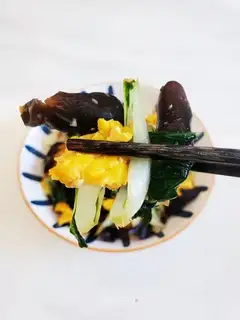
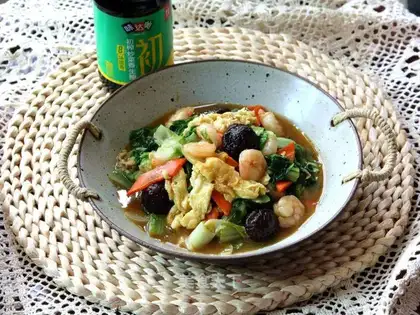
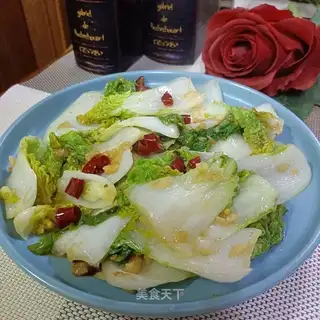
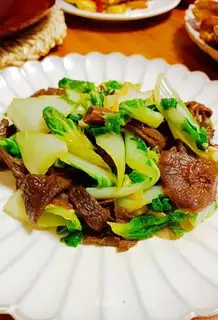
- Stir-fries: Sauté xiaobaicai with garlic, ginger, and a splash of soy sauce for a quick and nutritious side dish.
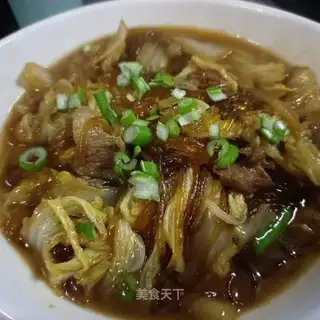
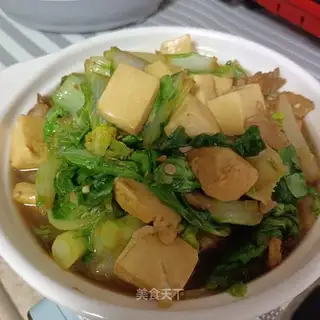
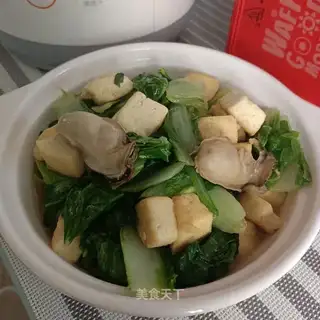
- Soups and Stews: Add xiaobaicai to miso soup, chicken noodle soup, or vegetable broth in the last few minutes of cooking to retain its crispness and nutrients.
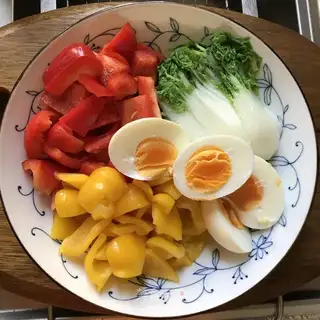
- Salads: Use young, tender xiaobaicai leaves in salads for a crunchy, nutrient boost. Pair with a light vinaigrette and ingredients like tofu, nuts, or citrus fruits.
- Smoothies: Blend a handful of xiaobaicai into green smoothies with fruits like banana or pineapple to mask its mild flavor.
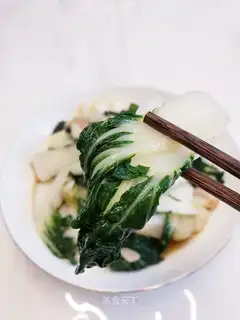
- Steamed or Blanched: Steam xiaobaicai for 2-3 minutes and drizzle with sesame oil and lemon juice for a simple, healthy dish.
Conclusion
Xiaobaicai is a nutritional powerhouse that offers a wide range of health benefits, from supporting immune function and bone health to reducing the risk of chronic diseases. Its low calorie, high fiber, and rich phytochemical content make it an excellent addition to any diet. While precautions exist for individuals with thyroid issues or those on blood thinners, most people can safely enjoy xiaobaicai as part of a balanced, varied diet. By incorporating this versatile vegetable into meals, you can harness its health-promoting properties while savoring its delicious, mild flavor. Whether stir-fried, steamed, or blended, xiaobaicai is a simple yet powerful way to boost your nutritional intake and support overall well-being.