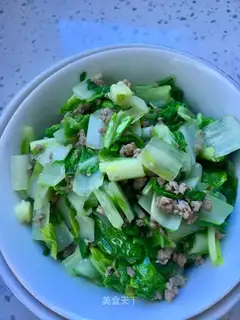
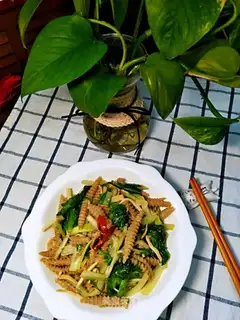
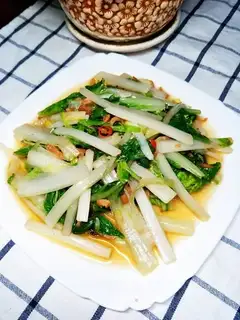
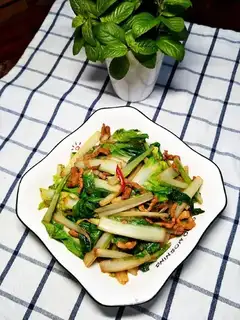
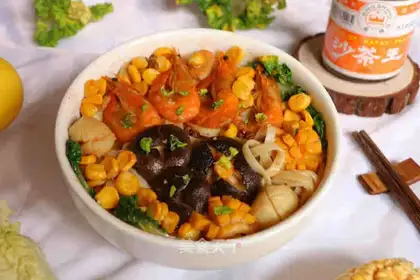
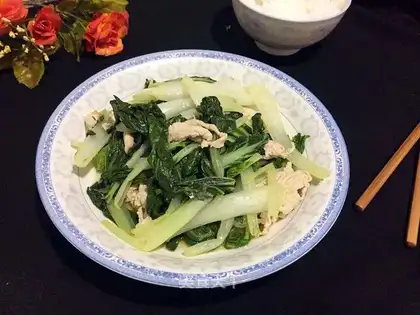
The sand tea originated in Indonesia and in Indonesian it is called “Sate”, which is meant to be a “baking string”. From South-East Asia to Guangdong, Fujian and parts of Taiwan at the beginning of the twentieth century, Chinese took their spicy characteristics and added a dozen different spices, such as peanut rice, white sesame, shrimp rice, coconuts, to grind them to shreds, adding oil, salt to make them brown or purple, sweet spicy, spicy...
Creaming, breast disease, detoxification, hair light, increased immunity, visibility, beneficial cardiovascular, breast-enhanced, spleen, and stomach, intestine, big bones, skin-painting, cavity and anti-diarrhea effects. They can make more for their families。