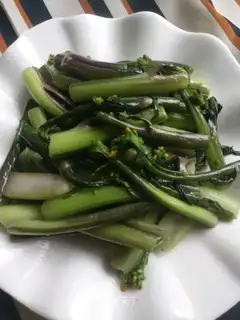
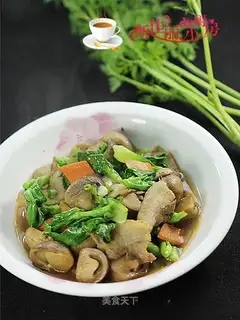
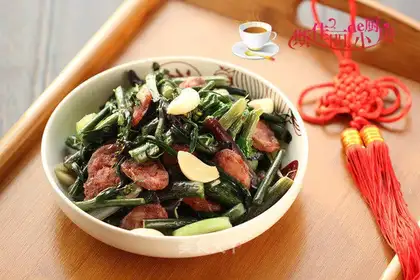
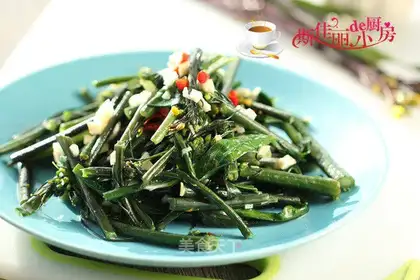
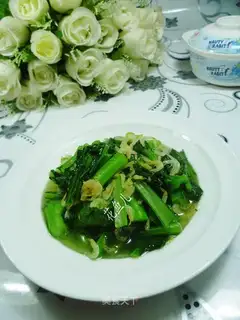
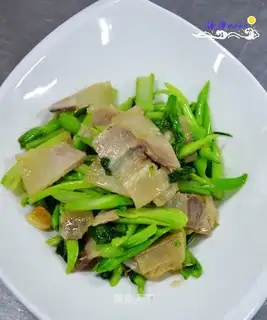
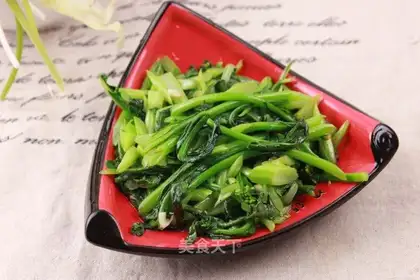
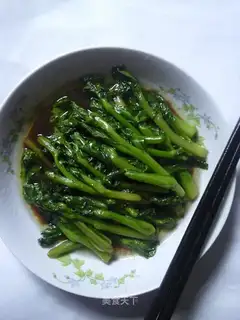
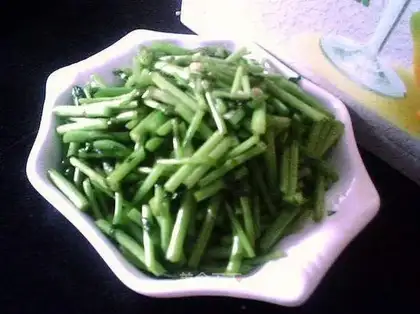
Chinese flowering cabbage, commonly known as cai tai (菜薹), is a leafy green vegetable that has been a staple in Chinese cuisine for centuries. Particularly popular in regions like Guangdong, Hubei, and Sichuan, this vegetable is prized for its tender stalks, vibrant green leaves, and subtly sweet flavor. Beyond its culinary appeal, cai tai is celebrated for its impressive nutritional profile and numerous health benefits. However, like all foods, it should be consumed with awareness of potential precautions. This article explores the nutritional value, health benefits, and dietary considerations of cai tai to provide a comprehensive guide for this versatile vegetable.
I. Nutritional Value of Cai Tai
Cai tai belongs to the Brassicaceae family, which also includes broccoli, kale, and cabbage. Its nutritional composition is rich in vitamins, minerals, fiber, and bioactive compounds, making it a nutrient-dense addition to any diet.
1. Vitamins
- Vitamin C: Cai tai is an excellent source of vitamin C, with approximately 100–150 mg per 100 grams—significantly higher than oranges (which contain about 50 mg per 100 grams). Vitamin C is a potent antioxidant that boosts immune function, supports collagen synthesis, and enhances iron absorption.
- Vitamin K: This vegetable provides abundant vitamin K (around 200–300 mcg per 100 grams), essential for blood clotting and bone health. Regular intake may reduce the risk of osteoporosis and fractures.
- Vitamin A and Beta-Carotene: Cai tai contains beta-carotene, which the body converts into vitamin A. This nutrient is vital for vision, skin health, and immune support. A 100-gram serving of cai tai can meet over 20% of the daily recommended intake of vitamin A.
- Folate (Vitamin B9): With approximately 80–100 mcg per 100 grams, cai tai is a good source of folate, which plays a critical role in DNA synthesis, cell division, and fetal development during pregnancy.
2. Minerals
- Calcium: Cai tai offers around 100–150 mg of calcium per 100 grams, contributing to bone and teeth health. While not as high as dairy products, it is a valuable plant-based calcium source, especially for vegans.
- Iron: The vegetable provides 1–2 mg of iron per 100 grams, which is important for preventing anemia. The vitamin C in cai tai enhances iron absorption, making it more bioavailable.
- Potassium: With approximately 200–300 mg per 100 grams, cai tai helps regulate blood pressure, fluid balance, and muscle function.
3. Dietary Fiber
Cai tai is rich in dietary fiber (2–3 grams per 100 grams), which aids digestion, prevents constipation, and promotes gut health. Fiber also helps stabilize blood sugar levels and reduce cholesterol, lowering the risk of cardiovascular diseases.
4. Bioactive Compounds
- Glucosinolates: Like other cruciferous vegetables, cai tai contains glucosinolates, sulfur compounds that break down into bioactive substances (e.g., sulforaphane) when chewed or cooked. These compounds have antioxidant, anti-inflammatory, and anti-cancer properties.
- Flavonoids: Cai tai is packed with flavonoids such as quercetin and kaempferol, which protect cells from oxidative stress and reduce inflammation.
II. Health Benefits of Cai Tai
The combination of nutrients and bioactive compounds in cai tai contributes to a wide range of health benefits, from boosting immunity to preventing chronic diseases.
1. Strengthens the Immune System
The high vitamin C content in cai tai enhances the production and function of white blood cells, the body’s primary defense against infections. Studies show that regular consumption of vitamin C-rich foods can reduce the duration and severity of colds and flu. Additionally, the antioxidants in cai tai neutralize free radicals, reducing oxidative stress and supporting immune health.
2. Supports Bone Health
Vitamin K and calcium are crucial for maintaining bone density. Vitamin K activates osteocalcin, a protein that binds calcium to bones, while calcium provides the structural material for bone tissue. Regular intake of cai tai may help prevent osteoporosis, especially in postmenopausal women who are at higher risk of bone loss.
3. Promotes Digestive Health
The fiber in cai tai adds bulk to stool, facilitating smooth bowel movements and preventing constipation. Moreover, fiber acts as a prebiotic, feeding beneficial gut bacteria and promoting a healthy gut microbiome. A balanced gut microbiome is linked to improved digestion, enhanced immunity, and reduced risk of gastrointestinal disorders like irritable bowel syndrome (IBS).
4. Reduces Chronic Disease Risk
- Cardiovascular Health: The potassium in cai tai helps lower blood pressure by balancing sodium levels, while fiber reduces LDL (“bad”) cholesterol. The antioxidants, particularly sulforaphane, prevent the oxidation of LDL cholesterol, a key step in the development of atherosclerosis.
- Cancer Prevention: Glucosinolates in cai tai break down into isothiocyanates, which have been shown to inhibit the growth of cancer cells. Sulforaphane, for example, activates detoxification enzymes in the liver, eliminating carcinogens before they damage DNA. Studies suggest that regular consumption of cruciferous vegetables like cai tai may reduce the risk of lung, colorectal, and breast cancers.
- Diabetes Management: The fiber in cai tai slows down the absorption of sugar in the bloodstream, preventing spikes in blood glucose levels. This makes it a beneficial food for individuals with type 2 diabetes or those at risk of developing the condition.
5. Enhances Skin and Vision Health
The vitamin A and beta-carotene in cai tai support skin health by promoting cell turnover and protecting against UV damage. Vitamin C, on the other hand, is essential for collagen production, which keeps skin firm and elastic. For vision, vitamin A helps maintain the health of the retina, reducing the risk of age-related macular degeneration (AMD) and cataracts.
III. Precautions and Potential Side Effects
While cai tai is highly nutritious, certain precautions should be taken to ensure safe consumption, particularly for individuals with specific health conditions.
1. Goitrogen Content
Cai tai, like other cruciferous vegetables, contains goitrogens—compounds that can interfere with thyroid function by inhibiting the uptake of iodine. While moderate consumption is generally safe for people with healthy thyroids, those with thyroid disorders (e.g., hypothyroidism or hyperthyroidism) should limit their intake. Cooking cai tai reduces its goitrogen content, making it safer for thyroid-sensitive individuals.
2. Oxalates and Kidney Stones
Cai tai contains oxalates, naturally occurring compounds that can contribute to the formation of kidney stones in susceptible individuals. People with a history of kidney stones should consume cai tai in moderation and ensure adequate hydration to reduce oxalate concentration in urine.
3. Pesticide Residues
As a leafy green vegetable, cai tai may be exposed to pesticides during cultivation. To minimize exposure, it is advisable to wash cai tai thoroughly under running water or soak it in salt water for 10–15 minutes before consumption. Organic cai tai is a safer option for those concerned about pesticide residues.
4. Blood Thinning Effects
Vitamin K in cai tai plays a role in blood clotting. Individuals taking anticoagulant medications (e.g., warfarin) should maintain consistent vitamin K intake to avoid interactions that may reduce the medication’s effectiveness. Consulting a healthcare provider before increasing cai tai consumption is recommended for such individuals.
5. Digestive Discomfort
While fiber is beneficial for digestion, excessive consumption of cai tai may cause bloating, gas, or diarrhea in some people, especially those with sensitive stomachs. Starting with small portions and gradually increasing intake can help the body adjust.
IV. Culinary Uses and Preparation Tips
To maximize the nutritional benefits of cai tai, proper preparation is key. Here are some tips:
- Cooking Methods: Steaming, stir-frying, or blanching cai tai preserves its nutrients better than boiling, which can cause water-soluble vitamins (e.g., vitamin C) to leach into the cooking water. Stir-frying with garlic or ginger enhances flavor and adds additional health benefits.
- Pairing: Cai tai pairs well with ingredients like mushrooms, tofu, and lean proteins, creating balanced and nutritious meals. For a simple dish, stir-fry cai tai with garlic and a dash of oyster sauce.
- Storage: Store cai tai in a plastic bag in the refrigerator for up to 3–4 days. Avoid washing it before storage, as excess moisture can promote spoilage.
Conclusion
Cai tai is a nutritional powerhouse that offers a wealth of vitamins, minerals, and bioactive compounds, supporting immune function, bone health, digestion, and chronic disease prevention. While it is generally safe for most people, individuals with thyroid issues, kidney stones, or those on blood-thinning medications should consume it with caution. By incorporating cai tai into a balanced diet and preparing it properly, one can harness its health benefits while minimizing potential risks. Whether stir-fried, steamed, or added to soups, cai tai is a delicious and versatile vegetable that deserves a place in a healthy lifestyle.