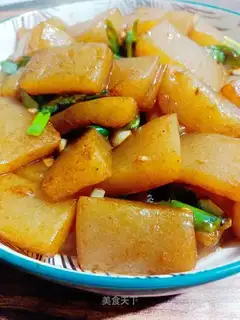
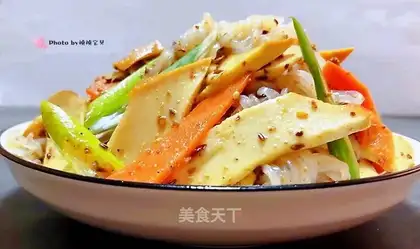
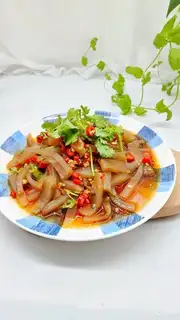
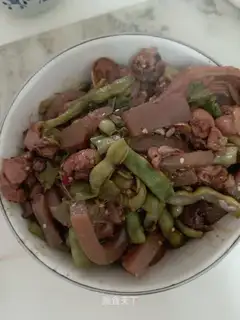
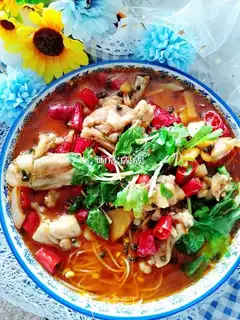
Most of the taro is water and contains nutrients such as proteins, carbohydrates, fats, calcium, phosphorus, vitamins, plant fibres, mucous proteins and a large quantity of glucose. It is alkaline food and is often eaten to help balance acid in humans and to maintain human health; it is a low fat, low-calorie food that is desirable for women to maintain body sizes and diets, and contains large amounts of plant fibre that can contribute to gastrointestinal creeping, reduced fat absorption, intestines, decomposition and constipation。
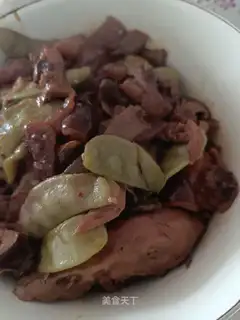
The nutritional value of ribs is as follows: first, they are protein-rich and fat-rich, provide humans with good quality proteins and essential fatty acids, which can supplement their nutritional needs. Secondly, by mid-life, microcycling is hampered by the ability of components such as adhesive gelatine proteins in the ribs to decorate microcyclists, thereby improving the symptoms of ageing and acting as a resistance to ageing. Third, there is a rich calcium in the ribs, which preserves bone health and prevents osteoporosis. Fourthly, culinary stew can be fertilized, replete, suitable for people with insufficient blood and poor health。